
Plain Bearings
I associate the topic of predictive maintenance with a reminder: just under two years ago, my wife gave me a great birthday present. A ride on a maize chopper. She had watched me playing the latest “agriculture simulator” weeks before and wanted to make me happy. (Did you know that the agriculture simulator is one […]
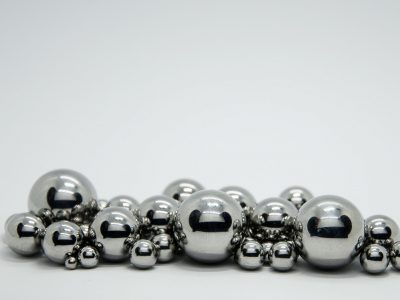
Ball bearings consist of an inner and outer ring, a cage and rolling elements. The cage is used to separate the rolling elements from each other in the form of balls. If the balls were not separated, they would run against each other and overheat. With high rotational speeds and friction of the balls, destructive […]
“Together is the important word”, is the slogan of Frank Blase, Managing Director of igus GmbH, in the following video on the subject of digital consulting: https://www.igus.eu/info/virtual-visit?L=en. We would like to work out the perfect solution for your automotive application together with you, even if we cannot visit you on site at the moment. Meet […]
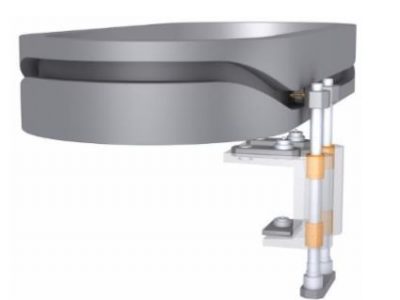
What can be done with a plastic sliding roller? Here we must clearly compare the cost-benefit factor. Basically, a solid plastic roller is a cost-effective component: of course, depending on the material and the production process behind it. But the plastic roller has its limits. Here one must assess whether the application is suitable. With […]
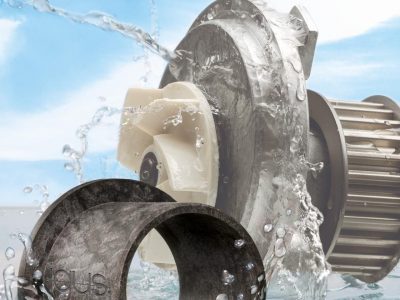
The demand for electric water pumps is huge. In addition to the cooling of motors and drives, air conditioning is also one of its tasks. The advantages of electric coolant pumps compared to conventional mechanical water pumps are their independence from the combustion engine. In this way, the electric pumps can be switched on and […]