
Plain Bearings
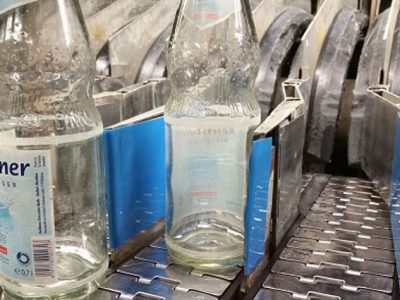
The concern is often optimisation of component or system service life. In the packaging and beverage industries, machines operate at especially high frequencies, and component service life plays an important role. But it can be just as important to extend the product service life or life cycle. Or protect the product from damage. There are […]

Normally, plain bearings are intended for installation in relatively thick-walled designs. The plain bearing is pressed into a hole of recommended tolerance, where it remains. Press-fit can be difficult if the components have thin walls. But beyond fixing in place, there are other pitfalls which we will examine more closely here. Then I will give […]
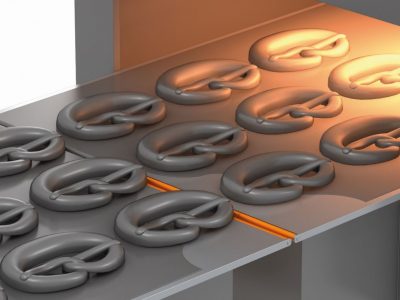
Things can get hot when we move into bakery technology. This is a special challenge for bearings. It takes special bearings and bearing materials to handle the high ambient temperatures. Bearings are often used in applications where temperatures exceed 200°C. There are a wide range of applications in ovens and their immediate vicinity in the […]

Plain bearings are used inside motor vehicles: in hinges, bonnet mechanisms and seats. At these points, there are often rough mounts and collared grooves. iglidur plain bearings use the effect of heat in the CDC process to calibrate themselves, ensuring that they fit in place exactly.

In order for an assembly or component to be allowed for use in a modern rail vehicle in Europe, the components must be tested and evaluated according to EN45545. This is a very time-consuming, bureaucratic process. The exposed surface, the weight of the component, and many other points must be considered for selection. So where […]