
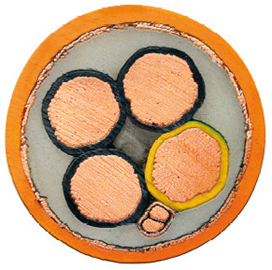
Electrical engineering is often concerned with motor cables as well as servo cables. But what is exactly the difference between a servo cable and a motor cable? And can I use a servo cable to connect a normal three-phase motor? What exactly are the differences? The fact is that both cables are designed to supply […]
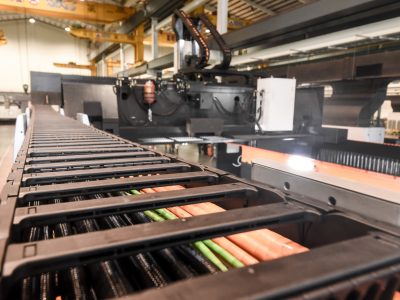
In large machines, the X-axis is always a particularly great challenge. All supply lines the machine requires run through this e-chain, which can be very long. That is why reliability is especially important here. Because each machine tool is unique, we always try to find the best solution for the application in question. The […]
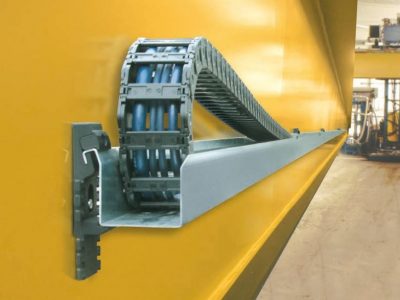
What specific advantages does the energy chain have over the classical festooning or cable trolley system in an indoor crane? Increased interior range without obstacles. Unexcelled distances under the entire crane girder. Low chain system installation space necessary on the crane. No cables dangling from the crane girder – greater storage space. Small clearance between the hook and the wall. Longer cable service life. Operating and maintenance costs lower than those of festooning or a cable trolley system. Less susceptibility to errors. No components that require regular lubrication.

Harnessed energy chains in automatic medication picking systems face special requirements.
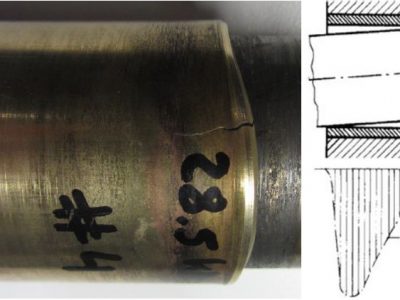
It is not infrequent that plain bearings in various applications abruptly transform into piles of debris. There is the dumper whose bearings give up the ghost with a dramatic crunch and the doors that first squeak and then settle. And when that happens, users, sales consultants, and designers stand there and wonder what made it […]