
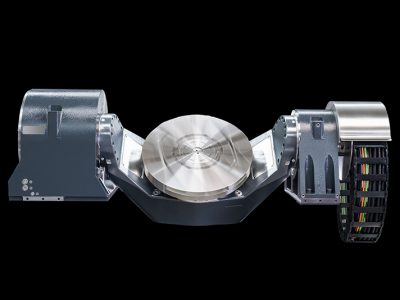
For pivoting and rotary movements of up to 270°, it is important that cables and hoses are laid in the energy chain’s neutral phase. Why is this so important? Pivoting and rotary movements usually involve winding up the e-chain or guiding it into an S shape. For normal installation positions (horizontal, standing, or suspended), the […]
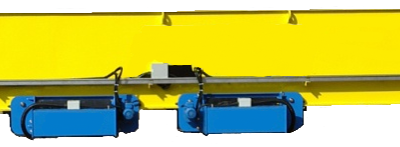
The cable guide problem can be solved with an energy chain on indoor cranes with two trolleys as well. But two trolleys must not always be the reason for a reverse energy chain application.
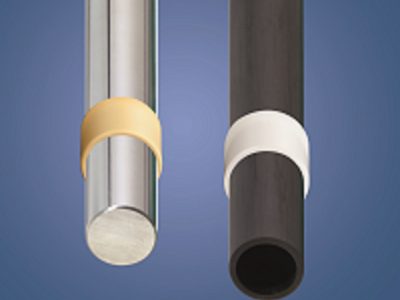
Die Diskussion über die weltweit durch Kraftfahrzeuge erzeugte CO2-Emission stellt eine Herausforderung für jeden Entwickler in der Automobilindustrie dar. Neben der Optimierung des Motors, des Antriebstrangs und weiteren Komponenten spielt die Reduzierung von Gewicht eine wichtige Rolle, um den Schadstoffausstoß zu minimieren. Bei Verbrennungsmotoren, wie auch in der Elektromobilität, hat die Wahl der eingesetzten Materialien […]
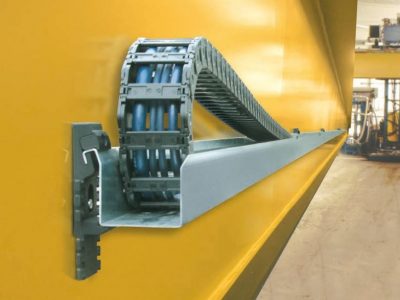
What specific advantages does the energy chain have over the classical festooning or cable trolley system in an indoor crane? Increased interior range without obstacles. Unexcelled distances under the entire crane girder. Low chain system installation space necessary on the crane. No cables dangling from the crane girder – greater storage space. Small clearance between the hook and the wall. Longer cable service life. Operating and maintenance costs lower than those of festooning or a cable trolley system. Less susceptibility to errors. No components that require regular lubrication.
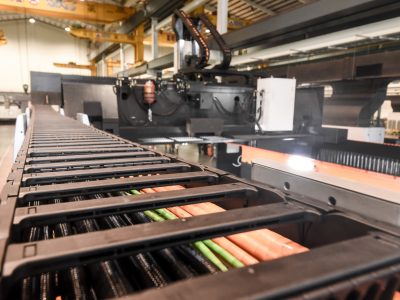
In large machines, the X-axis is always a particularly great challenge. All supply lines the machine requires run through this e-chain, which can be very long. That is why reliability is especially important here. Because each machine tool is unique, we always try to find the best solution for the application in question. The […]