
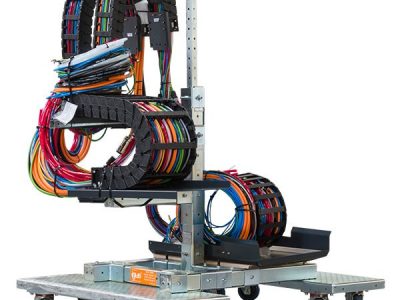
Mobile energy, control and data supply to equipment requires a very complex system. For the overall system to perform its function, the individual system components must be harmonised.
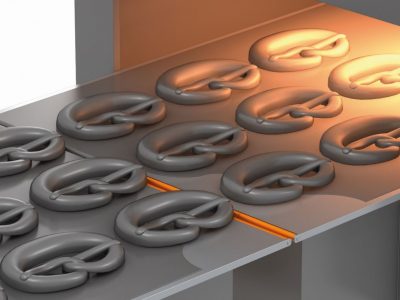
Things can get hot when we move into bakery technology. This is a special challenge for bearings. It takes special bearings and bearing materials to handle the high ambient temperatures. Bearings are often used in applications where temperatures exceed 200°C. There are a wide range of applications in ovens and their immediate vicinity in the […]
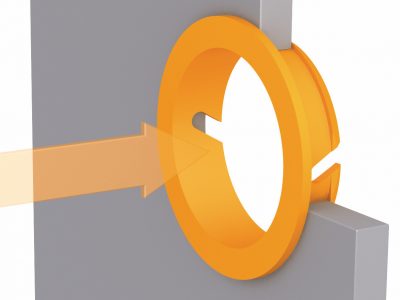
Normally, plain bearings are intended for installation in relatively thick-walled designs. The plain bearing is pressed into a hole of recommended tolerance, where it remains. Press-fit can be difficult if the components have thin walls. But beyond fixing in place, there are other pitfalls which we will examine more closely here. Then I will give […]
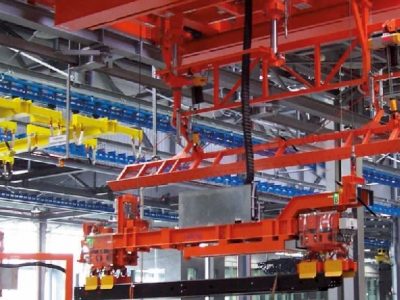
For many lifting applications, a compact, space-saving solution is extremely important. But the more cables coming together in a system and the higher the stroke, the fewer the plausible solutions. If the liftband or the e-spool reaches its limits, the zig-zag installation is often the only thing that remains.
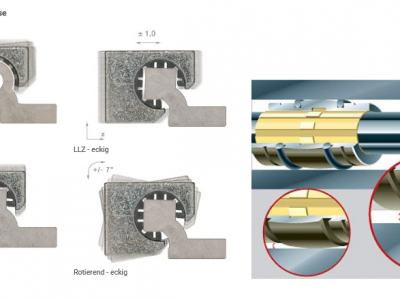
Whether in a welded construction of a road/rail vehicle, or in the interior of a double-decker train; you have to work with tolerances everywhere and be able to compensate for them. Especially when linear, pivoting or rotary movements should continue to function without problems.