
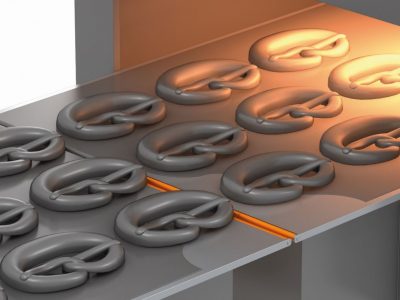
Things can get hot when we move into bakery technology. This is a special challenge for bearings. It takes special bearings and bearing materials to handle the high ambient temperatures. Bearings are often used in applications where temperatures exceed 200°C. There are a wide range of applications in ovens and their immediate vicinity in the […]

Normally, plain bearings are intended for installation in relatively thick-walled designs. The plain bearing is pressed into a hole of recommended tolerance, where it remains. Press-fit can be difficult if the components have thin walls. But beyond fixing in place, there are other pitfalls which we will examine more closely here. Then I will give […]
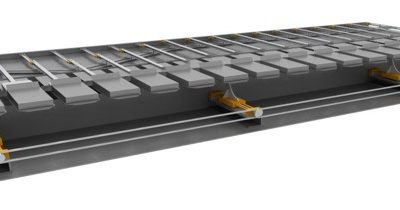
To maximise flexibility, machines and equipment in the packaging, food and beverage industries must be capable of implementing precise format adjustments. This equipment might be filling or labelling machines for bottles or cans, but can also be entry lanes in material handling. To solve this problem, igus supplies you with machine components made of high-performance […]
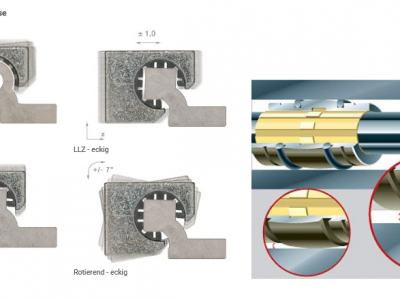
Whether in a welded construction of a road/rail vehicle, or in the interior of a double-decker train; you have to work with tolerances everywhere and be able to compensate for them. Especially when linear, pivoting or rotary movements should continue to function without problems.
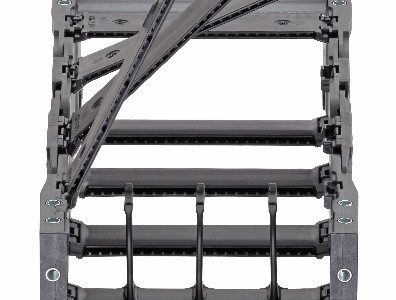
Especially in machine tools, many electrical cables and hoses run through the energy chain. Hoses for hydraulics and cooling with large diameters are often necessary to meet the requirements of flow rates. This means that designers must select energy chains with a large interior space.