The Tour is back again in Germany – this time with a special mission!
Michael Poepke | 9. June 2026
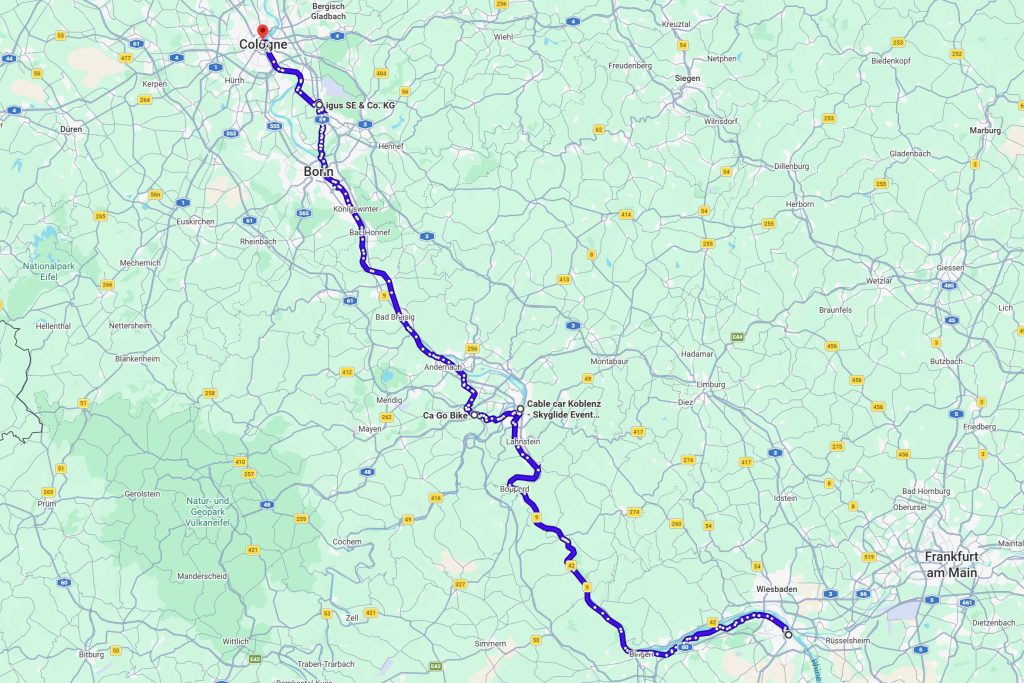
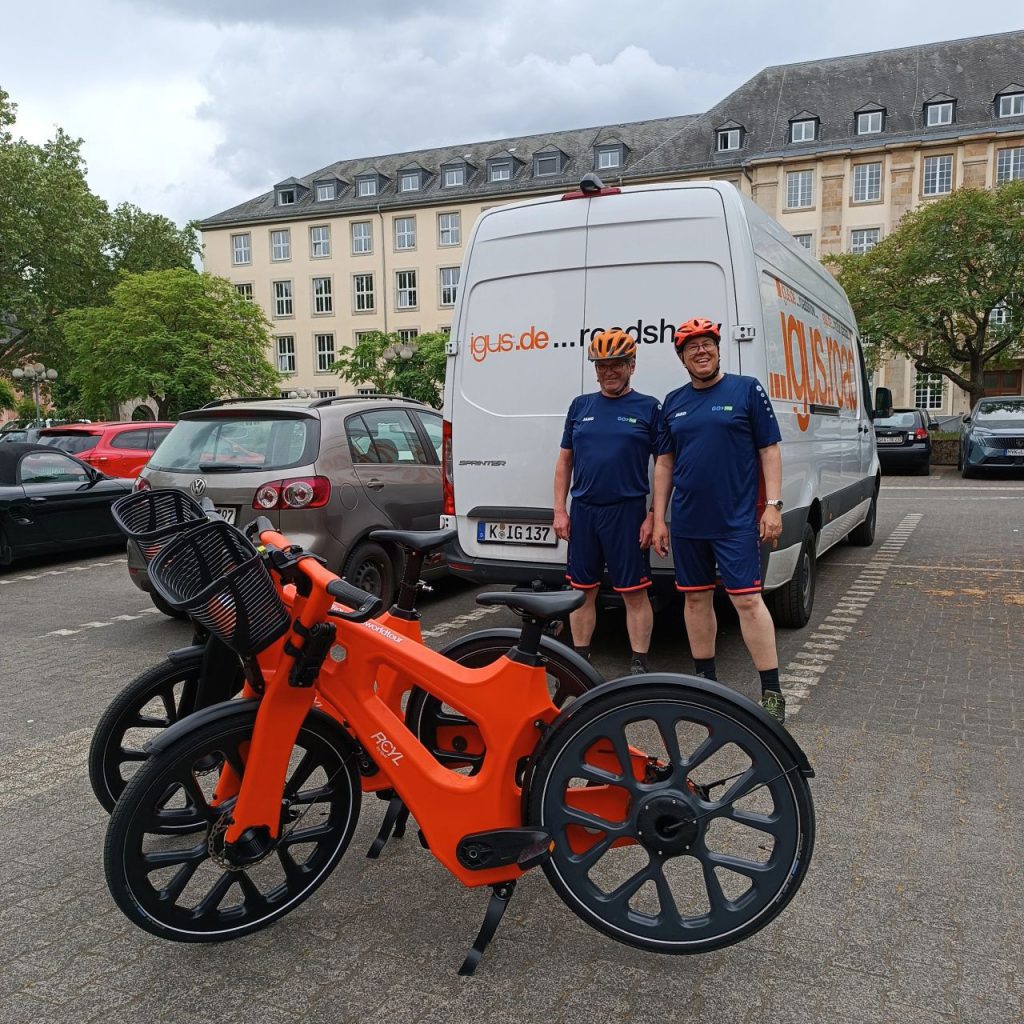
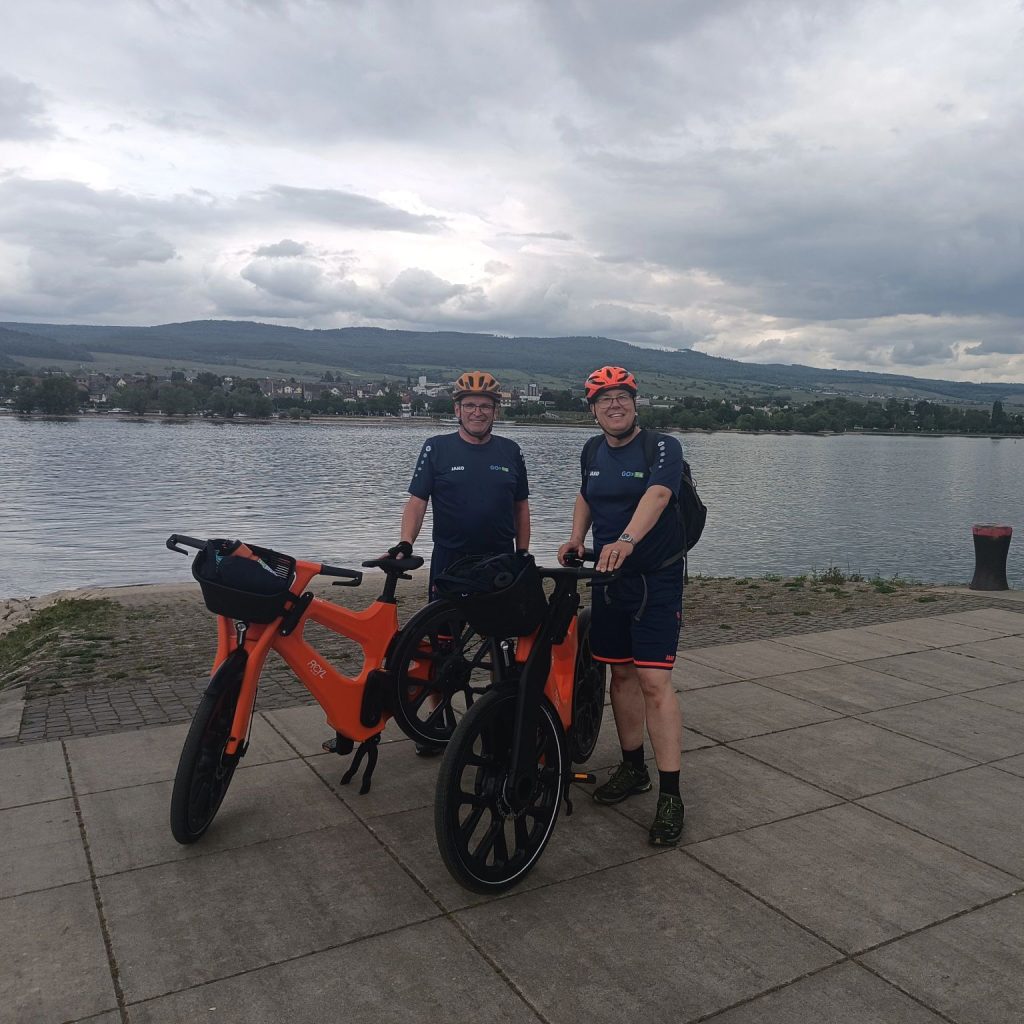
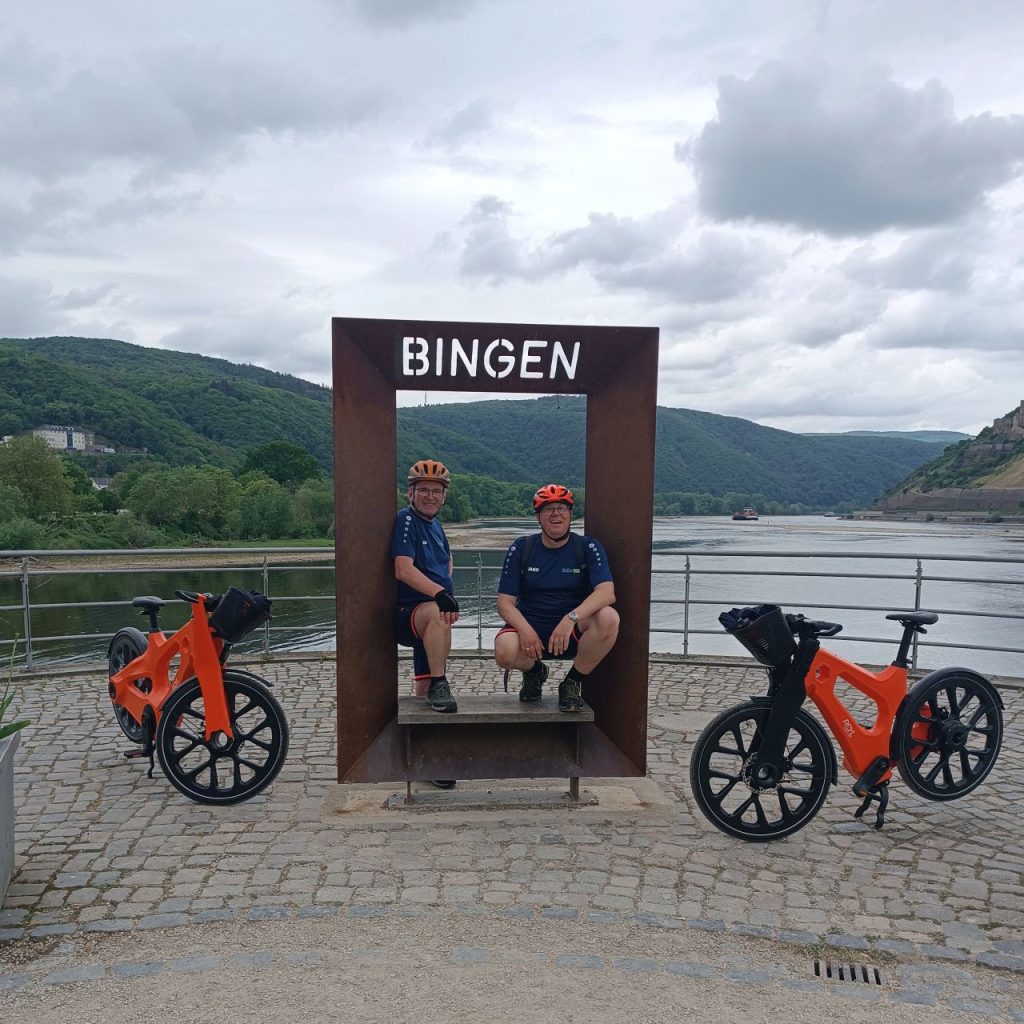
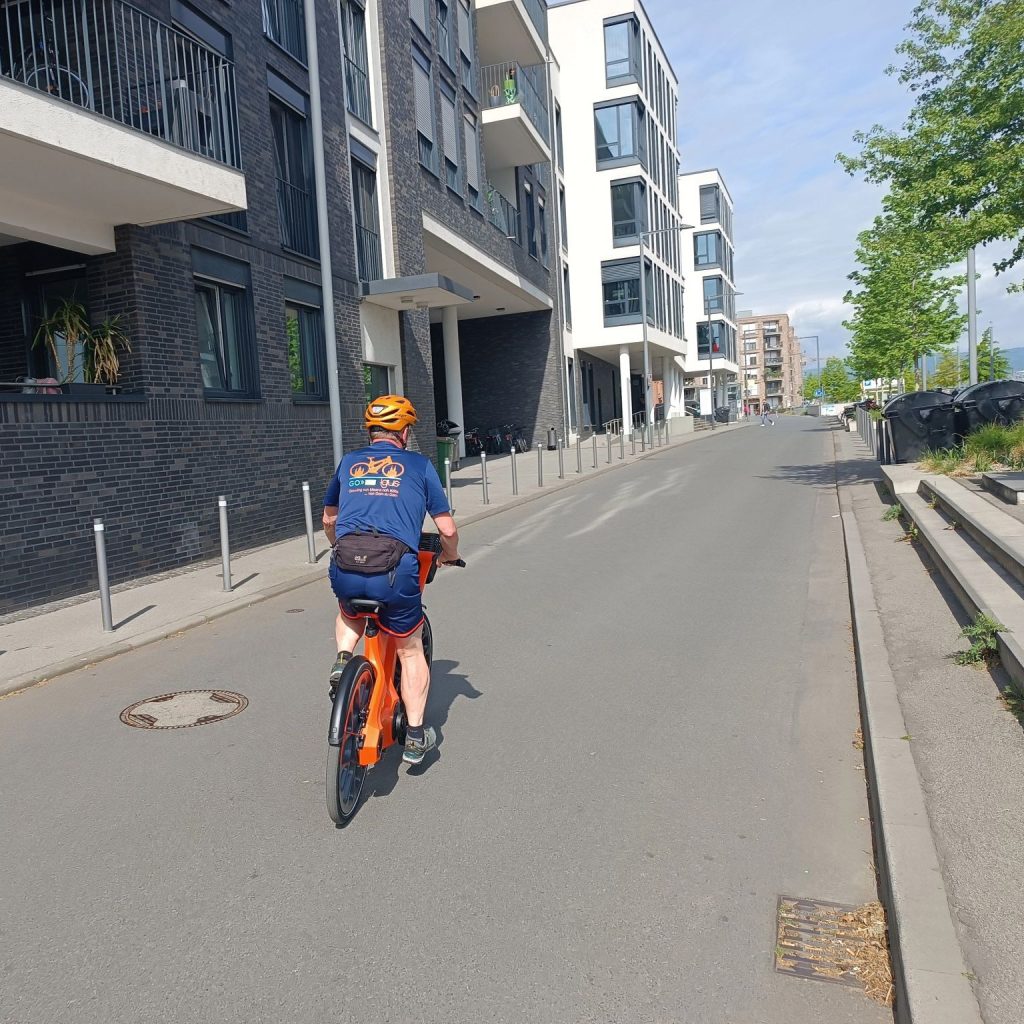
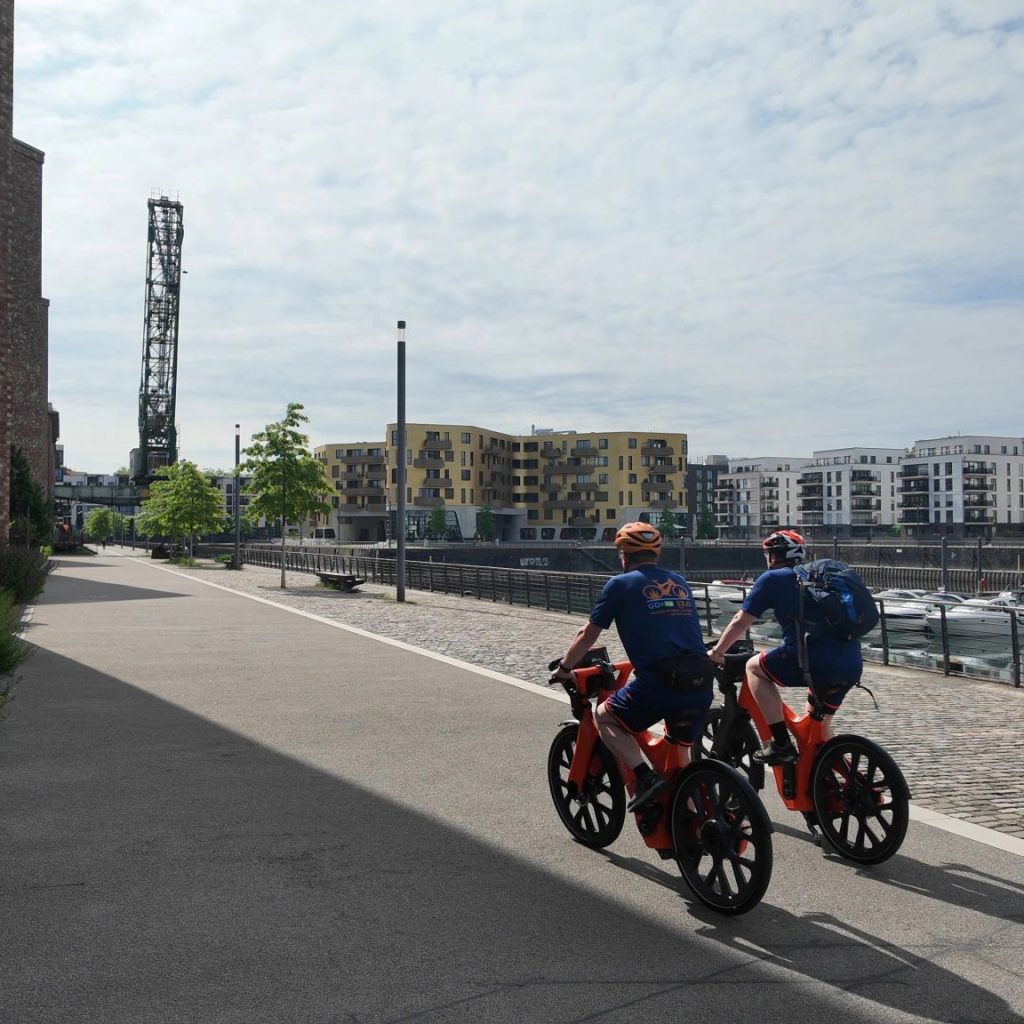
From start to finish, the latest chapter of the igus:bike worldtour delivered an unforgettable ride: two bikes, two editors, and 235 kilometers from Mainz to Cologne – from Cathedral to Cathedral. GO>>ing Magazine, renowned for its expertise in automation, drive systems, and engineering, teamed up with igus to showcase not just innovation but its real-world possibilities – on two wheels.
Meet GO>>ing: Engineering Expertise on the Move
GO>>ing isn’t your average engineering magazine. As part of the digital publishing group AMA Digital Networks, it’s a trusted resource for technical decision-makers, covering topics like Industry 4.0, smart components, automation and drive technology. GO>>ing is the go-to publication for engineers and developers across a wide range of industries where automation technology and construction elements are used – always with a focus on a systems-based and solution-oriented approach. So, when it came to highlighting the groundbreaking igus:bike, GO>>ing’s editors saw an opportunity they couldn’t resist.


From Idea to Adventure: Why This Tour?
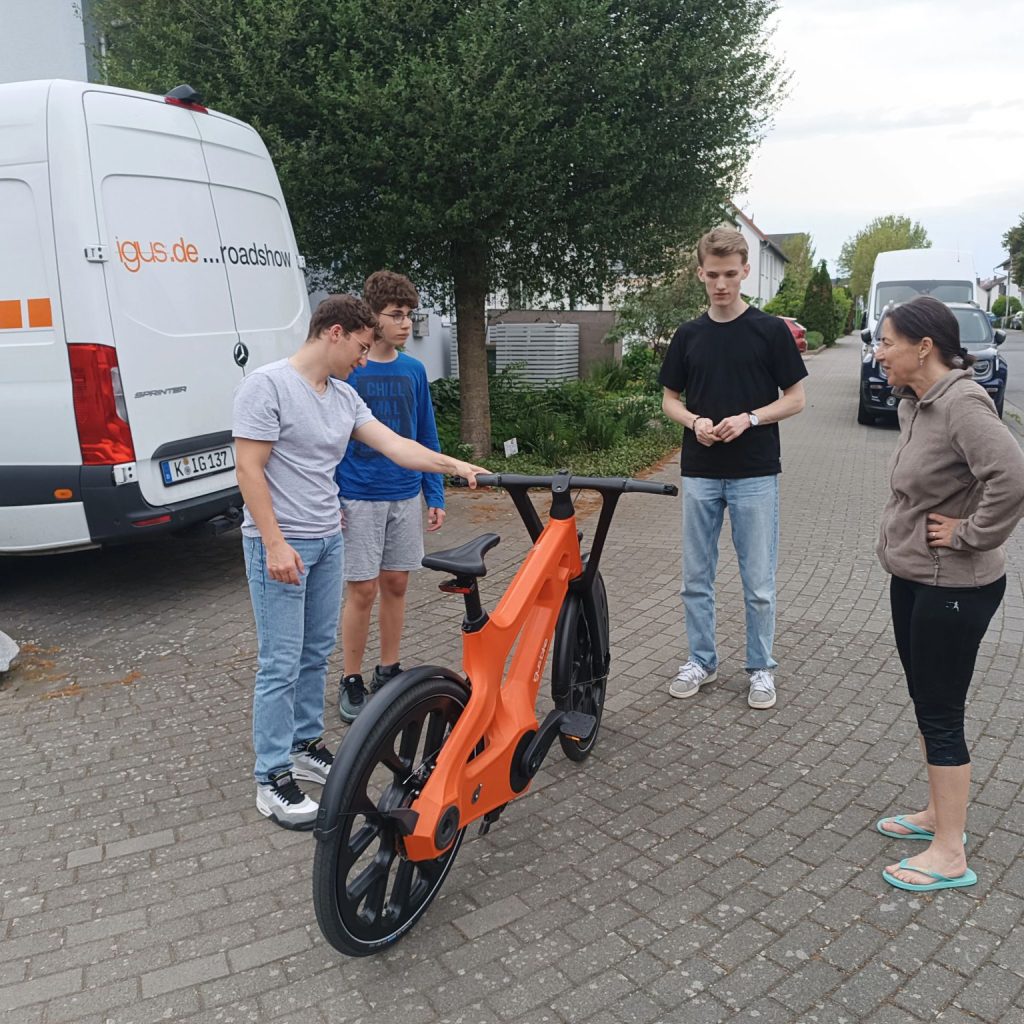
Michael Kleine and Dirk Schaar, the visionaries behind GO>>ing, set out to answer a bold question: Can the igus:bike handle a real endurance test? Inspired by the bike’s promise, a nearly maintenance-free bicycle made from 90% polymer, the duo embarked on a journey that blended engineering, adventure, and determination.
Their route, dubbed “GO>>ing vun Meenz noh Kölle – from Dom to Dom (from Mainz to Cologne – from cathedral to cathedral),” celebrated the distinct culture and engineering heritage of the cities, combining Rhineland dialect with innovation. Along the way, their mission was clear: bridge GO>>ing readers with the story behind the igus:bike and its performance in motion.
Day 1: Mainz and the Rhine’s Treasures
The journey began in Mainz, starting at the majestic Mainzer Dom. Early stops included the Gutenberg Monument and the Fastnachtsbrunnen, landmarks that reflect Mainz’s cultural heritage.
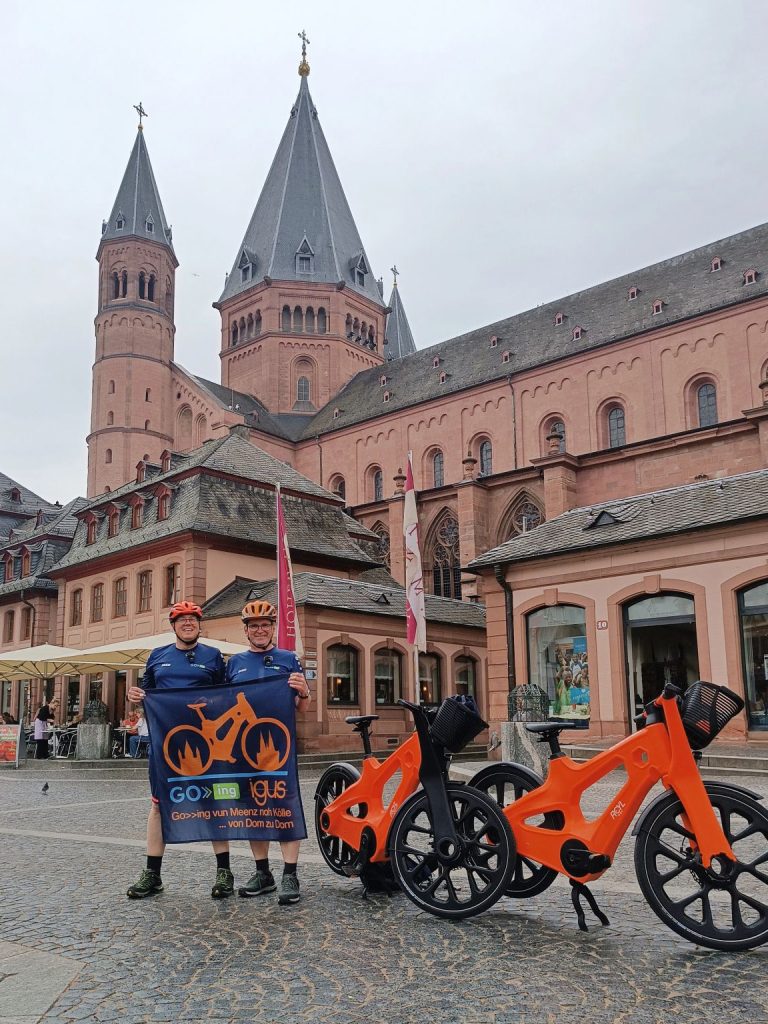
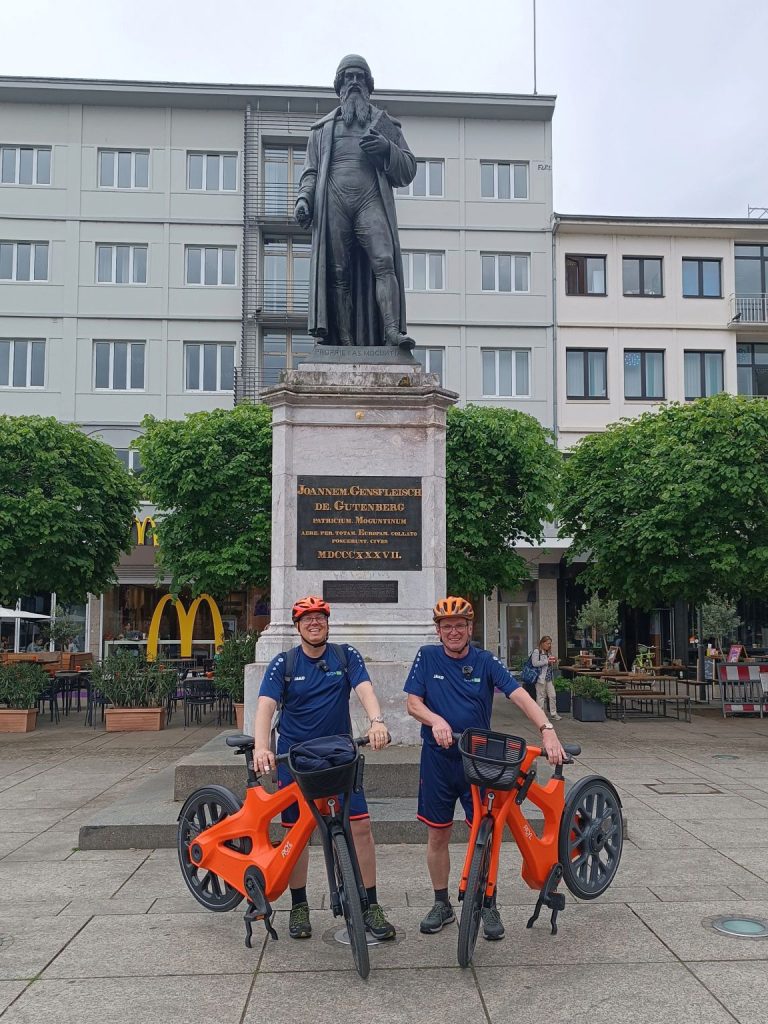
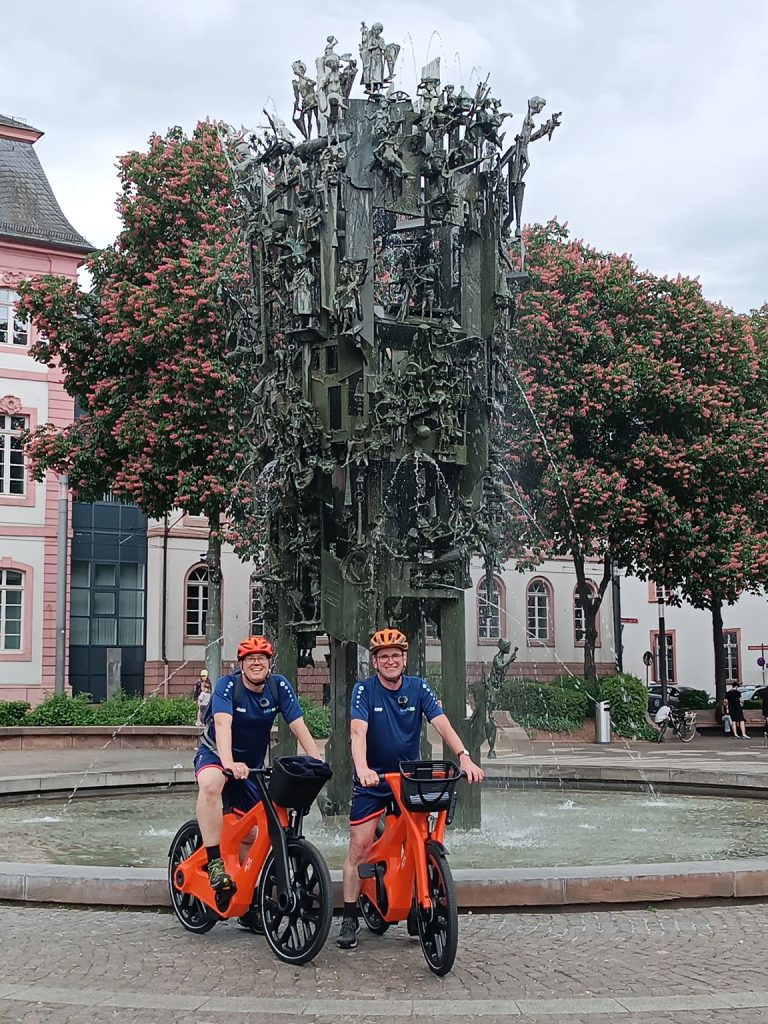
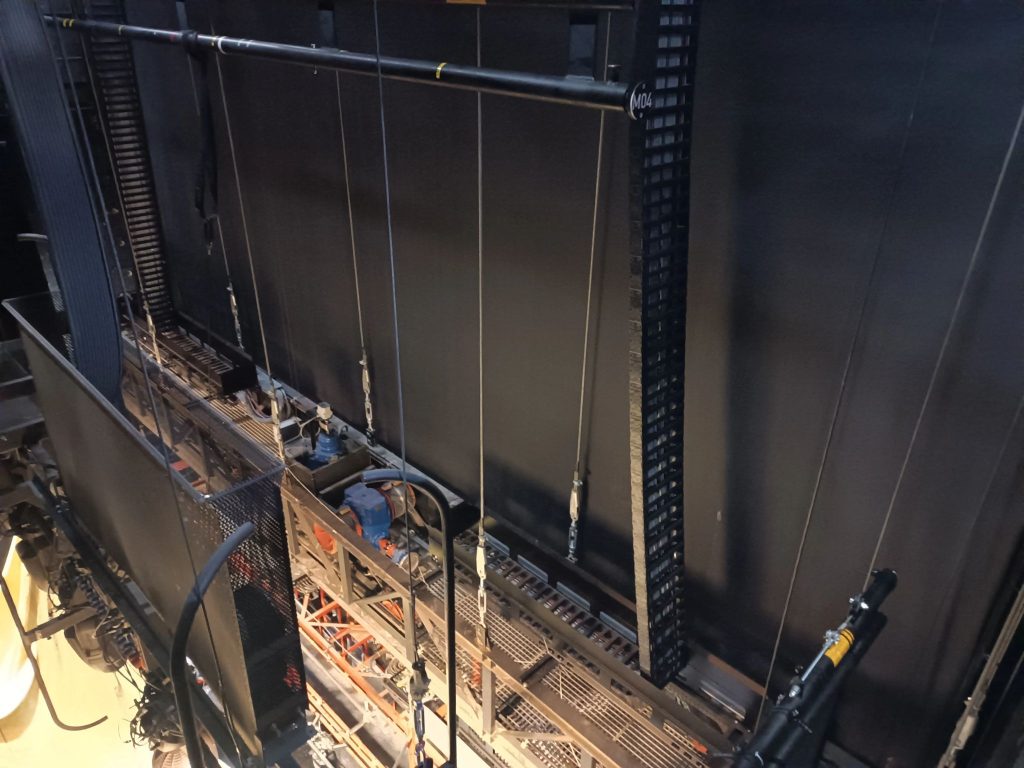
But the real magic began at the Staatstheater Mainz, where the editors explored how igus motion technologies power the venue’s stage systems. Witnessing igus components in action deepened their appreciation for how engineering influences art and performance.
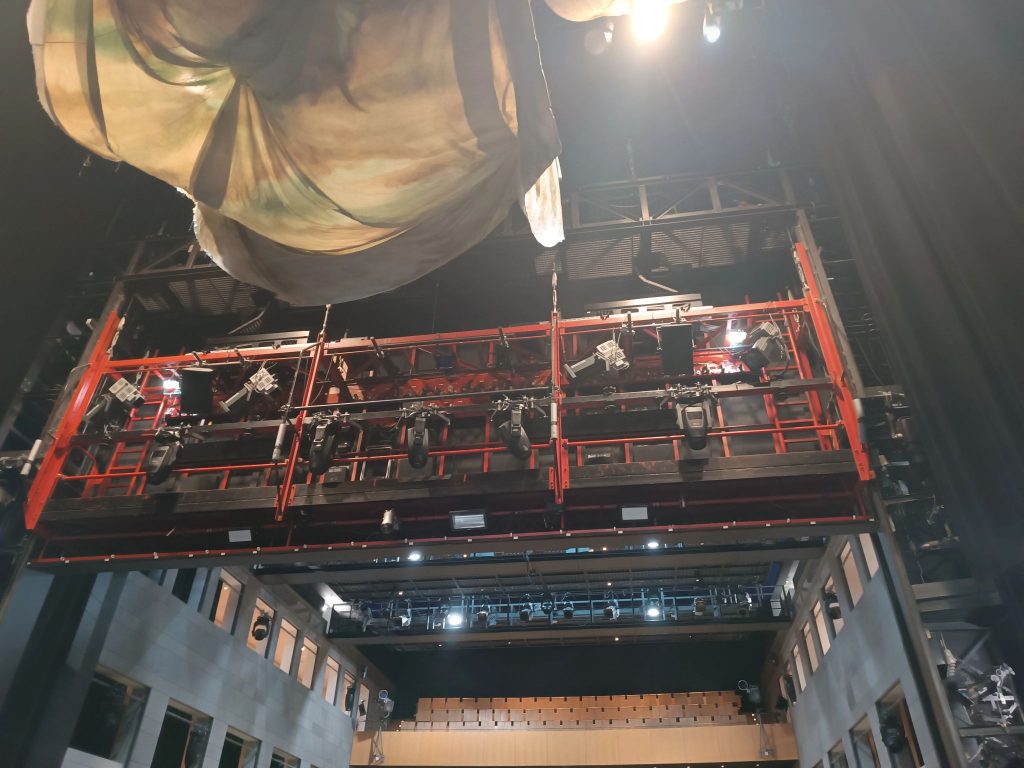
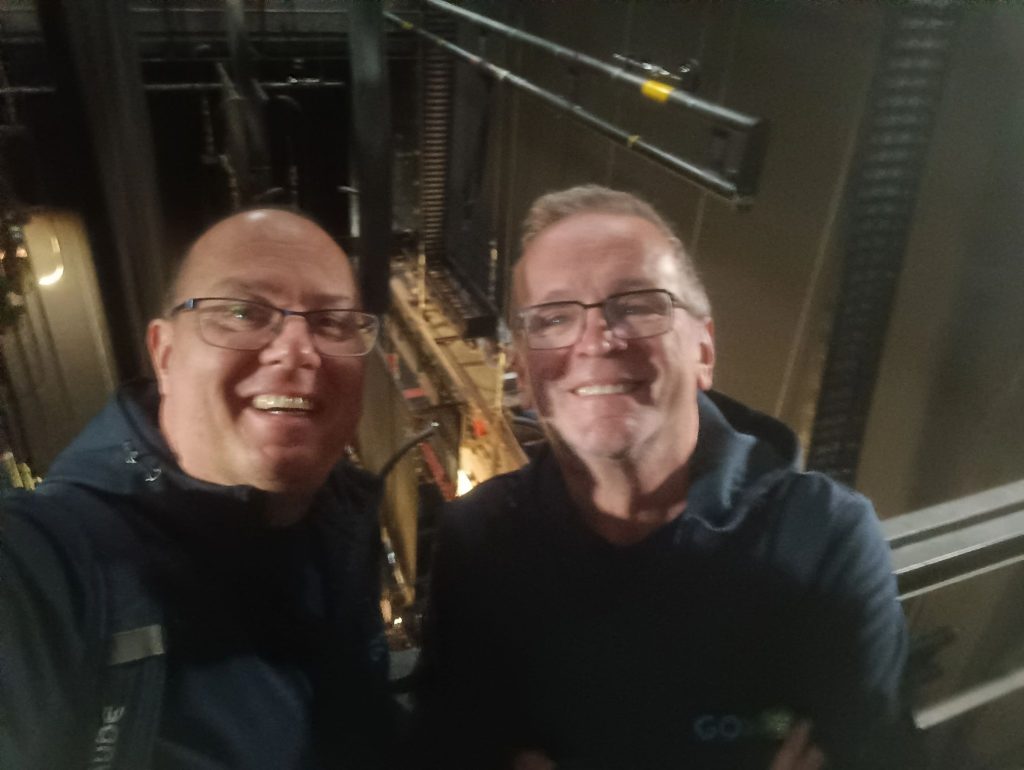
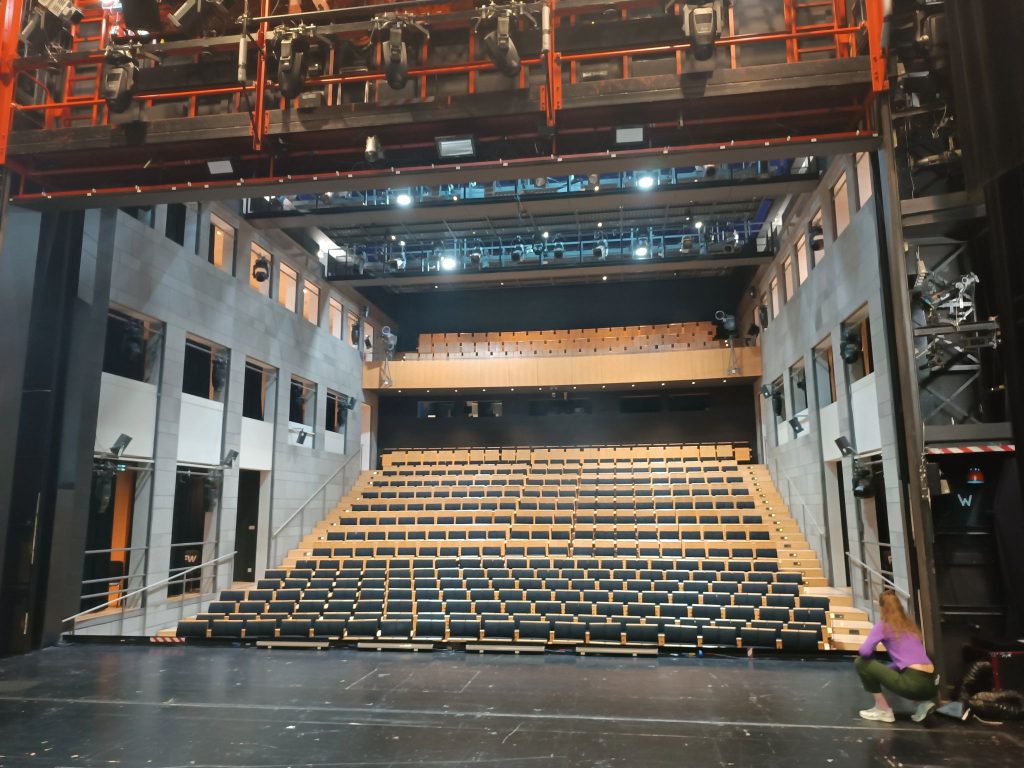
Historic landmarks like Bingen, Rüdesheim, and the stunning UNESCO Upper Middle Rhine Valley provided breathtaking scenery as the first day unfolded.
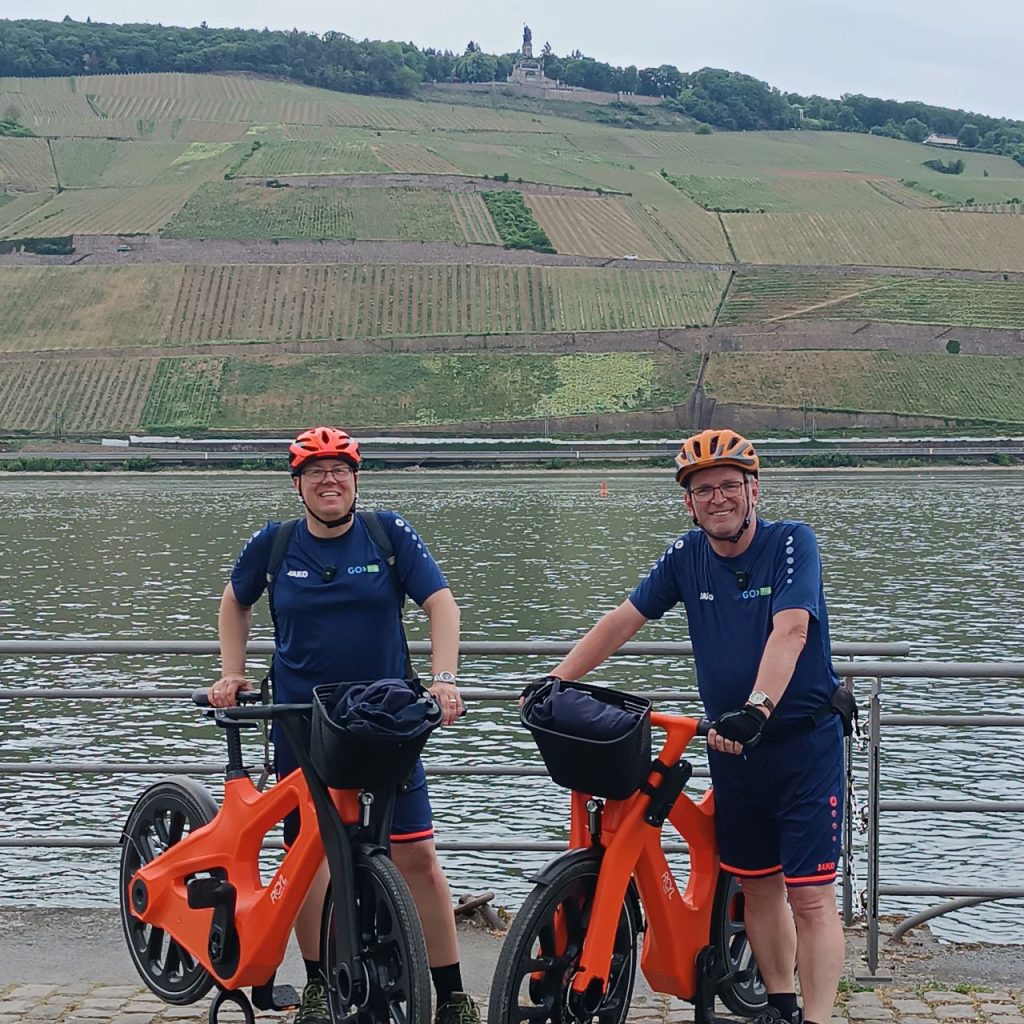
Day 2: Resilience Meets the Rhineland Charm
The second day brought the toughest challenges yet: relentless rain, muddy paths, and stiff winds tested both riders and bikes. Yet, the stunning views and iconic landmarks of the Rhineland made every effort worthwhile.
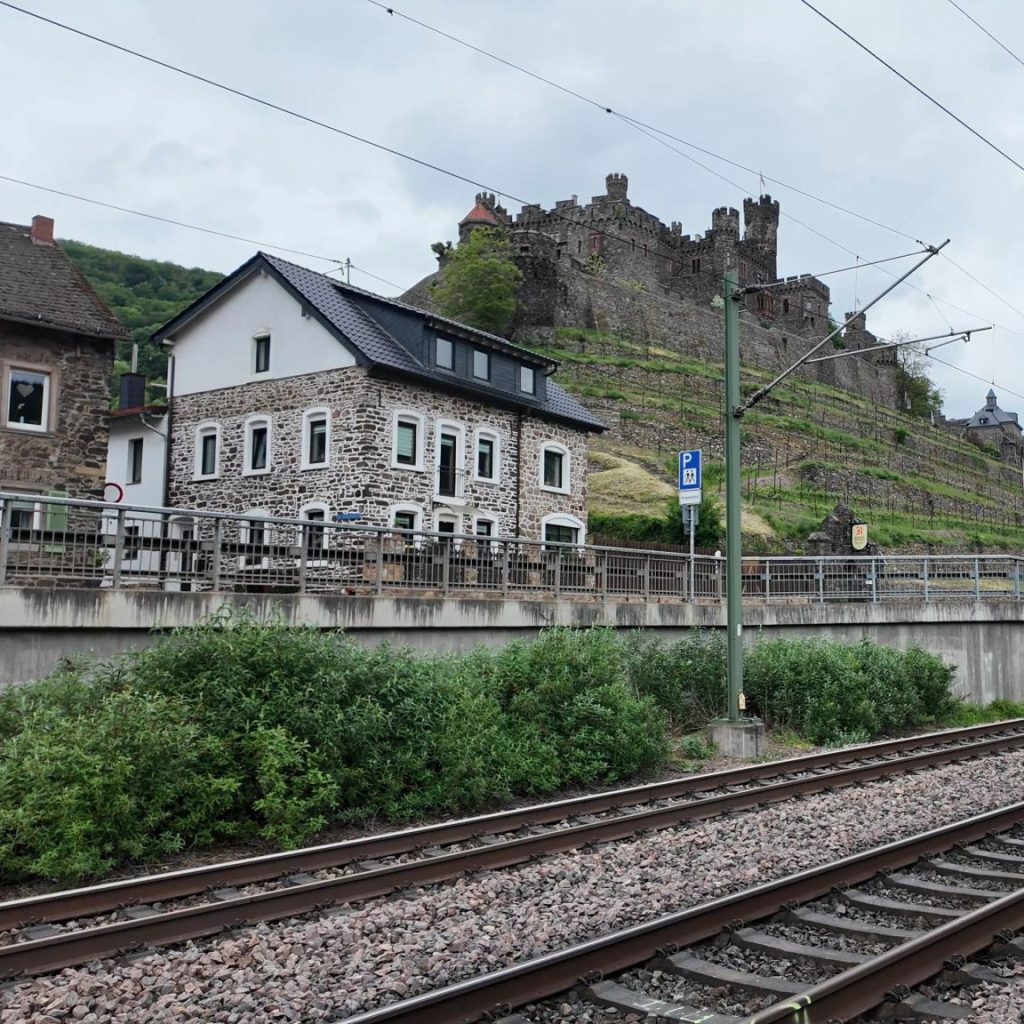
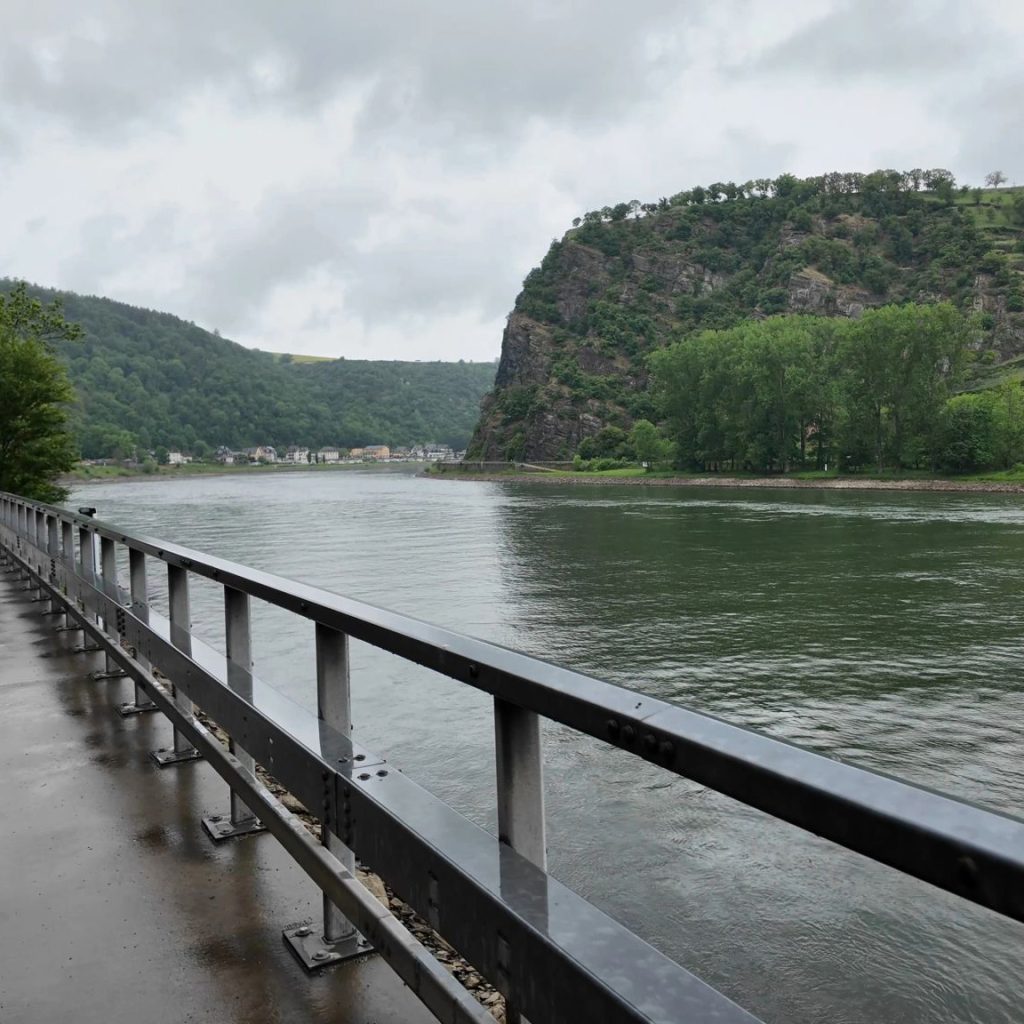
The route passed through Trechtingshausen, Bacharach, and the scenic Loreley Rock. While the rain obscured the distant views, the editors remained determined to soak in the charm of these historic locations. A detour kept them on the “beautiful side” of the Rhine, skipping the Loreley statue but rewarding them with breathtaking views of the Loreley cliffs.
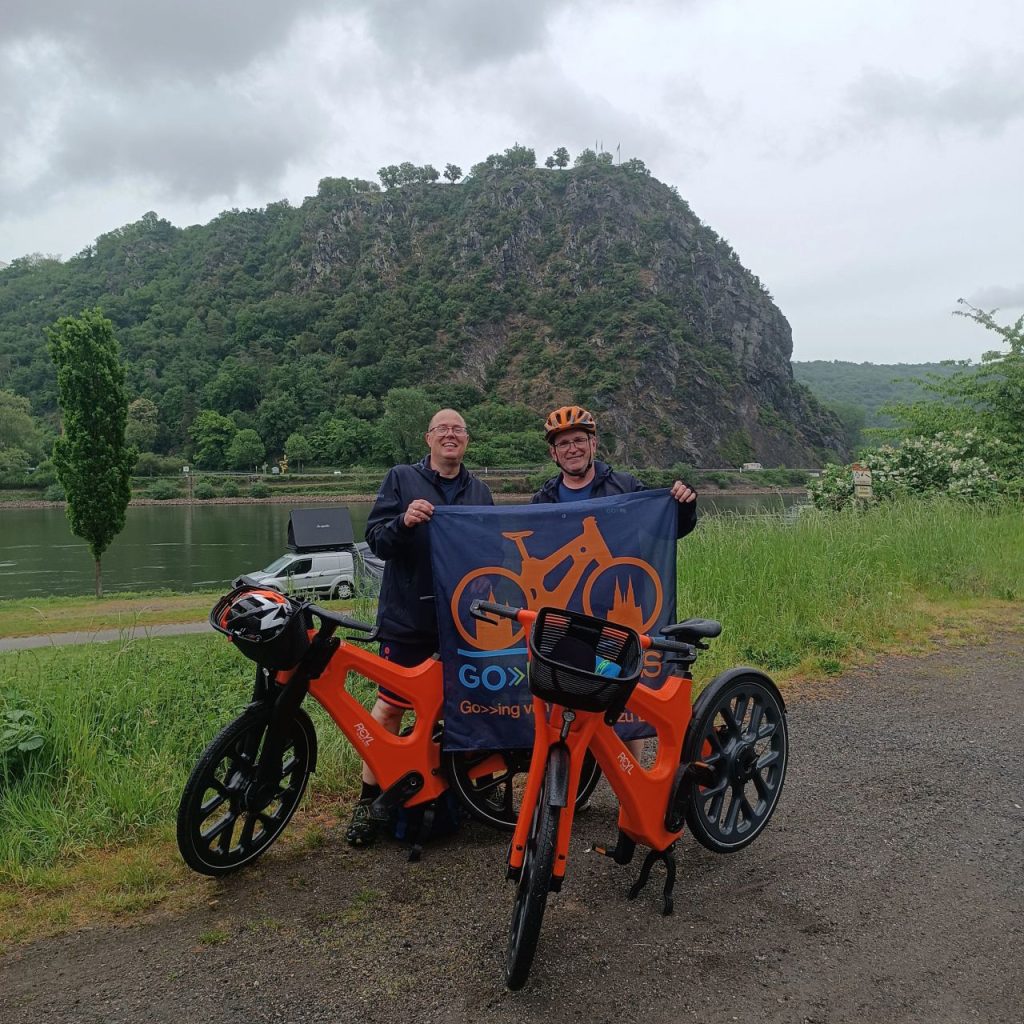
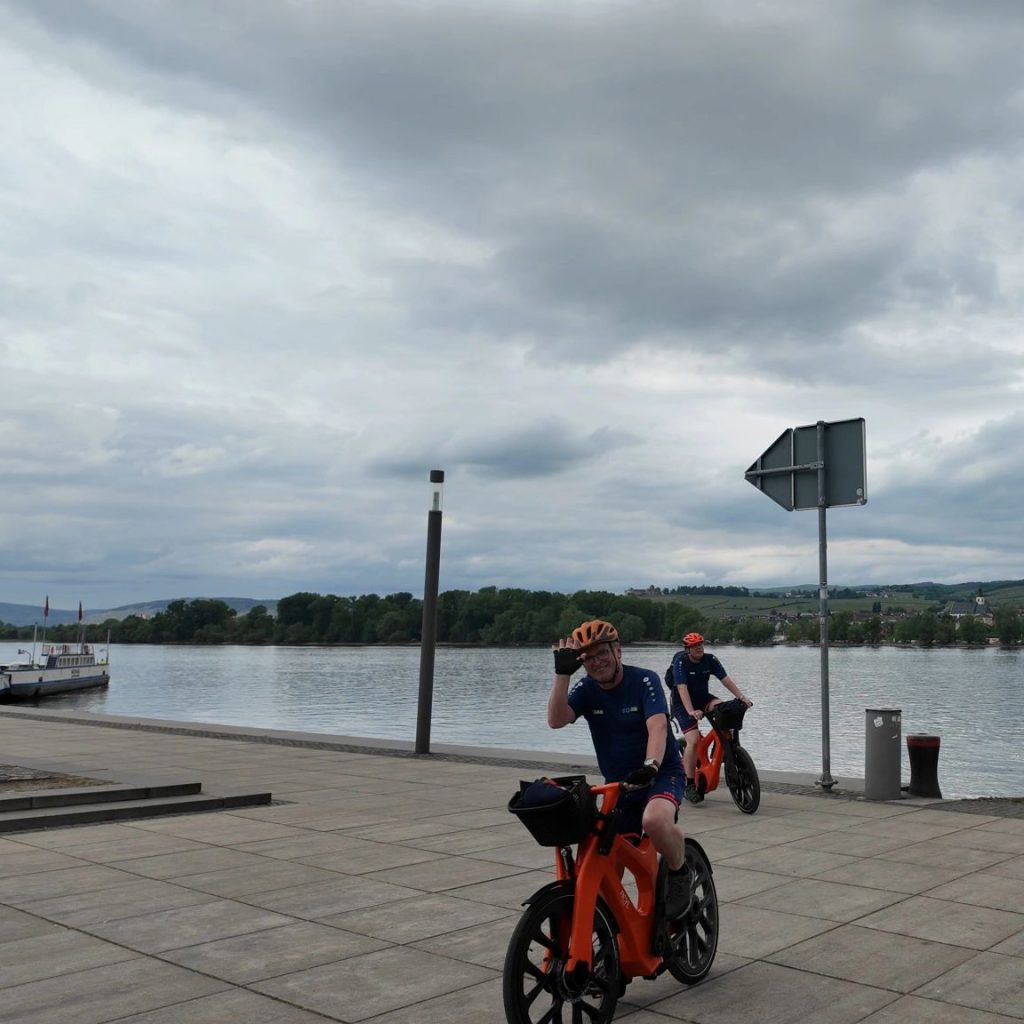
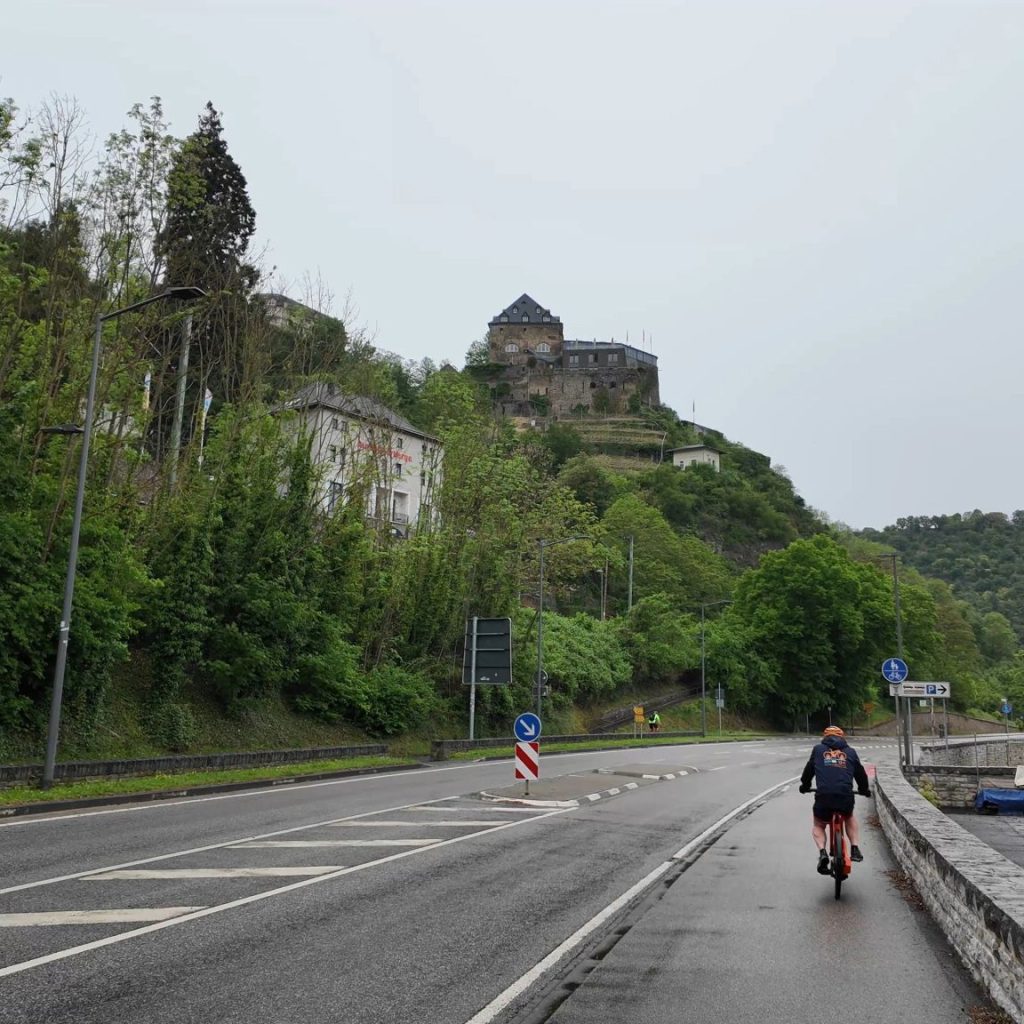
Reaching Boppard after about 85 kilometers, the day ended with a morale-boosting surprise: friends of Dirk Schaar greeted the team upon arrival, cheering them on and turning the long ride into an unforgettable experience.
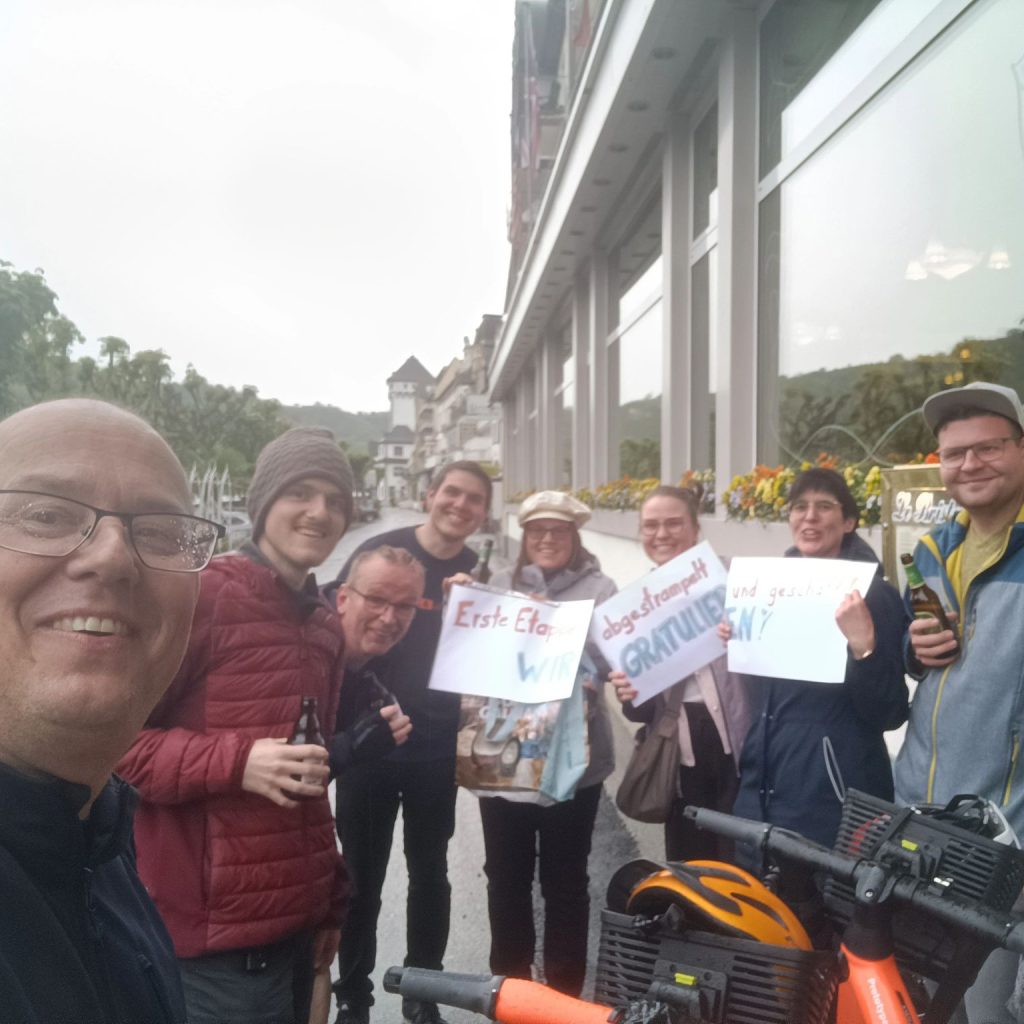
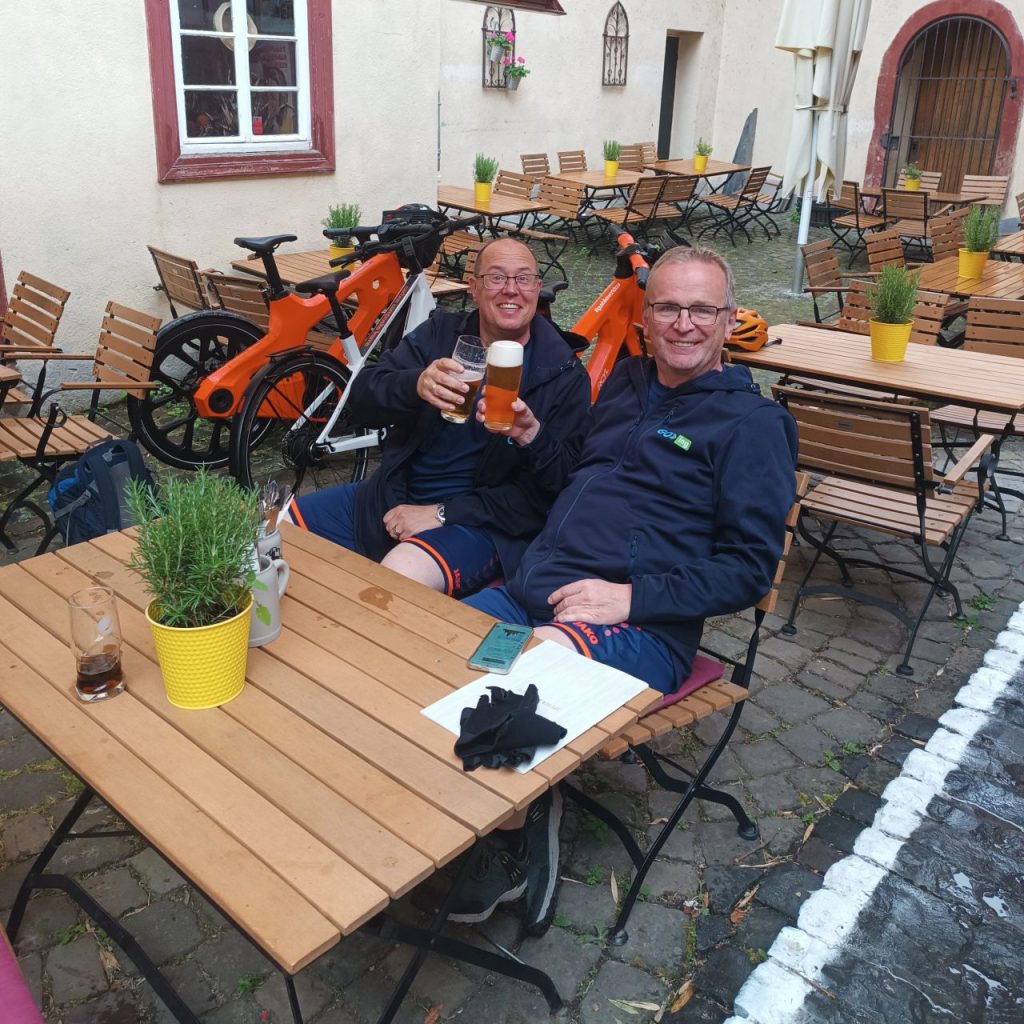
Even with mud-splattered gear and tired legs, the editors felt a renewed sense of determination. The day proved one thing: resilience matters, and even in tough conditions, the spirit of adventure triumphs.
Day 3: From Koblenz to Cologne’s Engineering Legacy
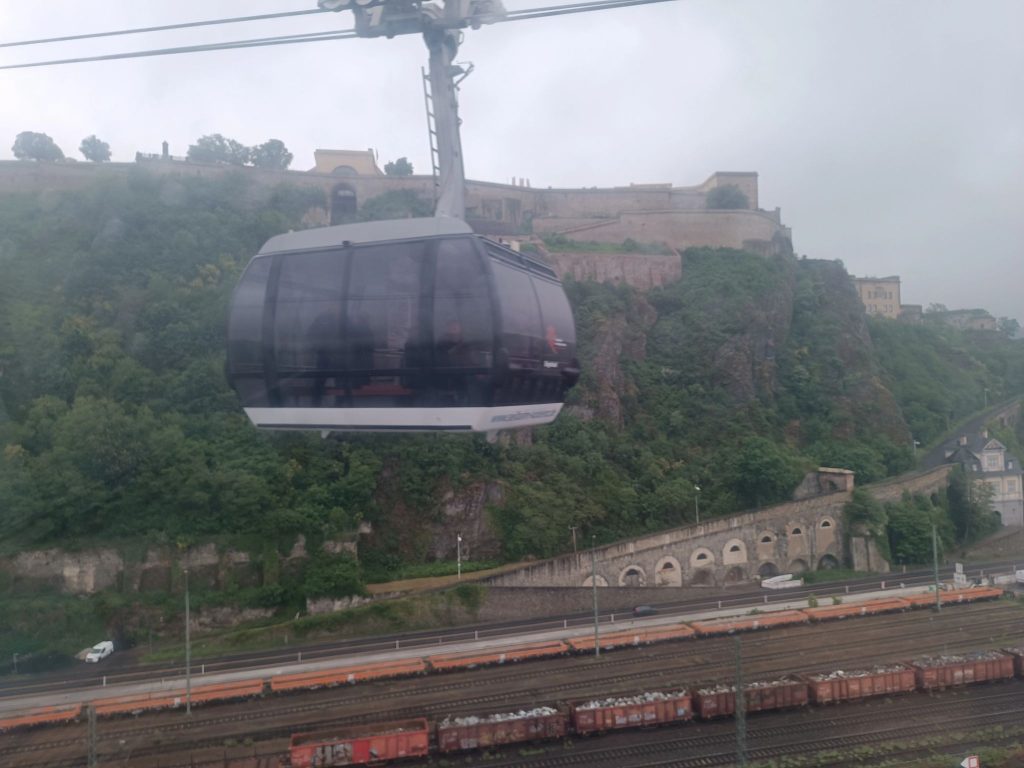
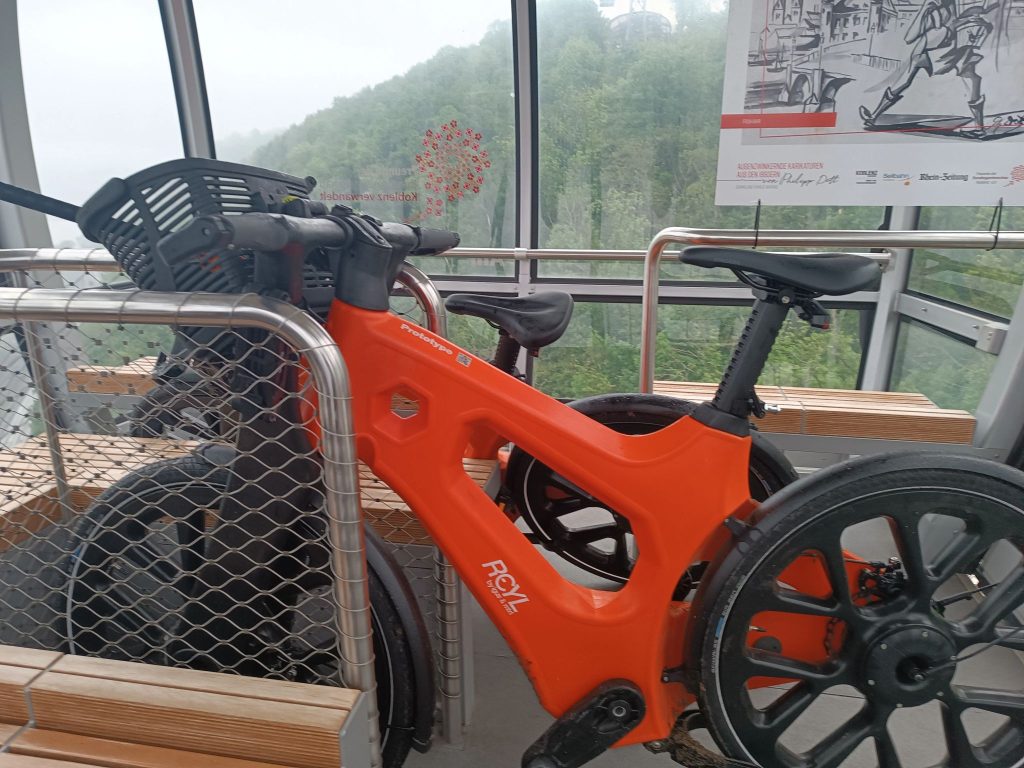
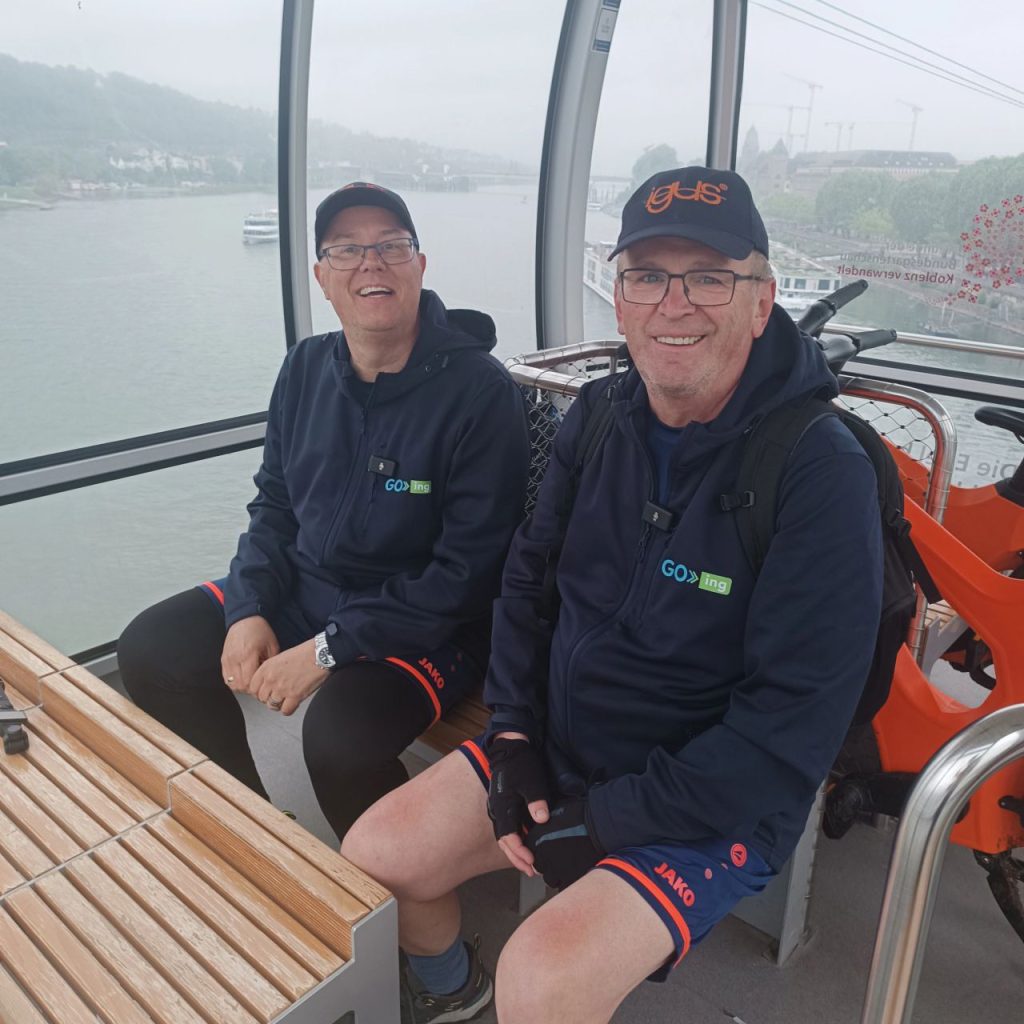
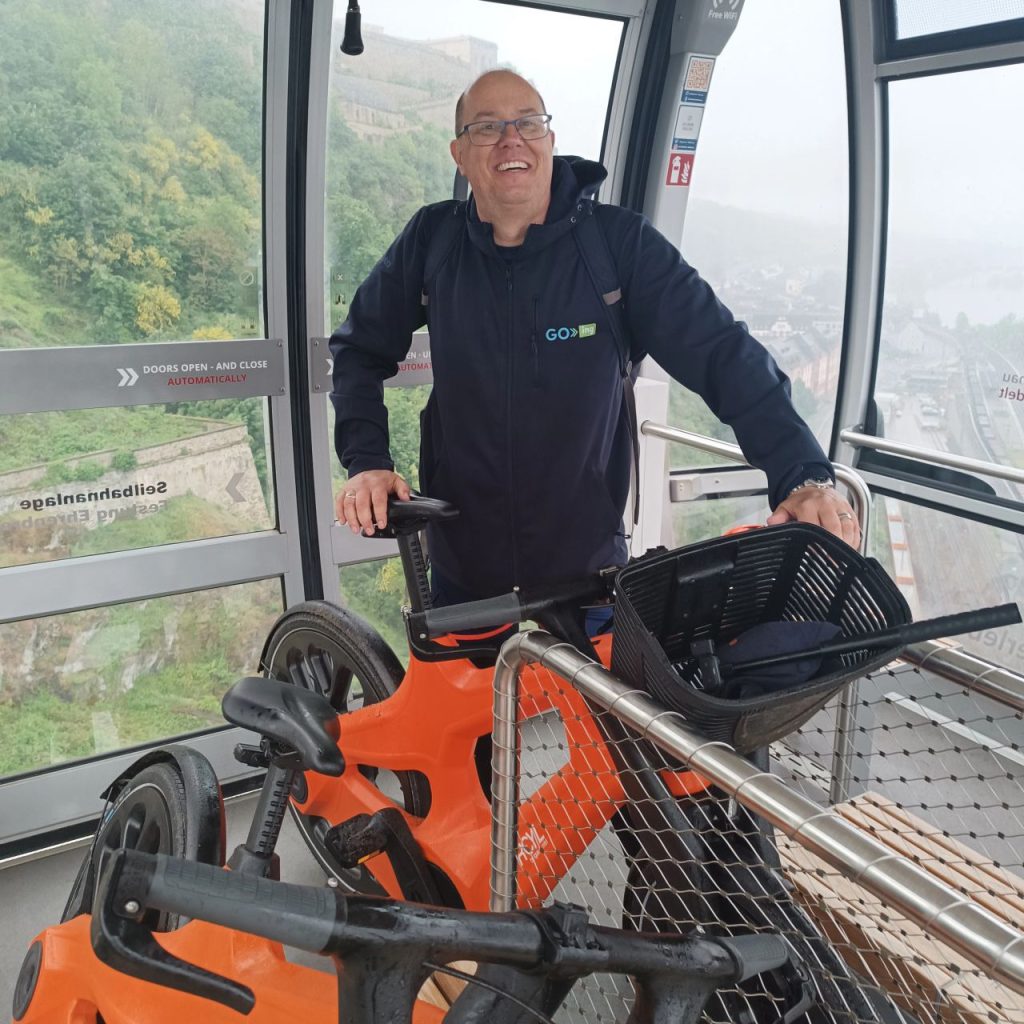
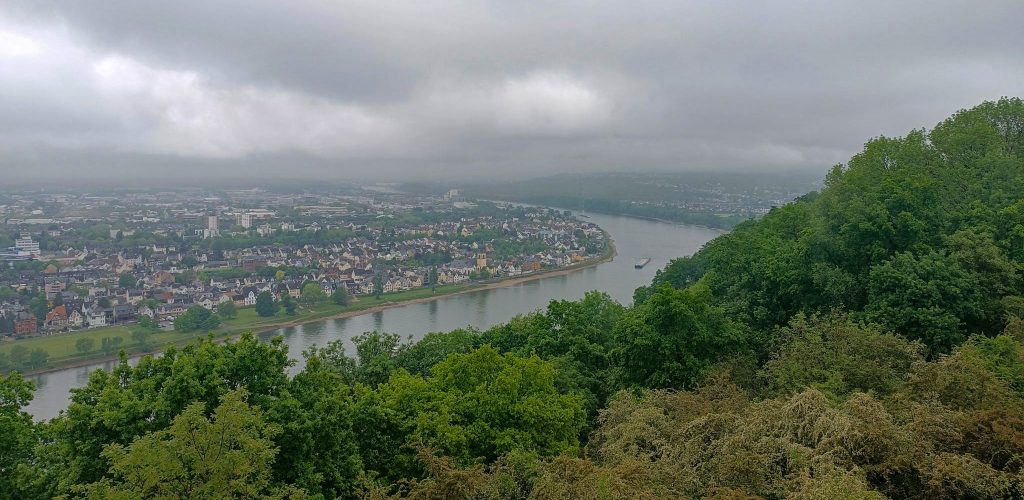
In Koblenz, the tour blended innovation with sustainability. A highlight of the day was the Koblenz Skyglide Cable Car, an example of eco-friendly transportation that took the editors up to Festung Ehrenbreitstein, one of the city’s most iconic landmarks. Offering breathtaking views of the Rhine, this ride symbolized how modern engineering and tourism can coexist with environmental sensitivity.
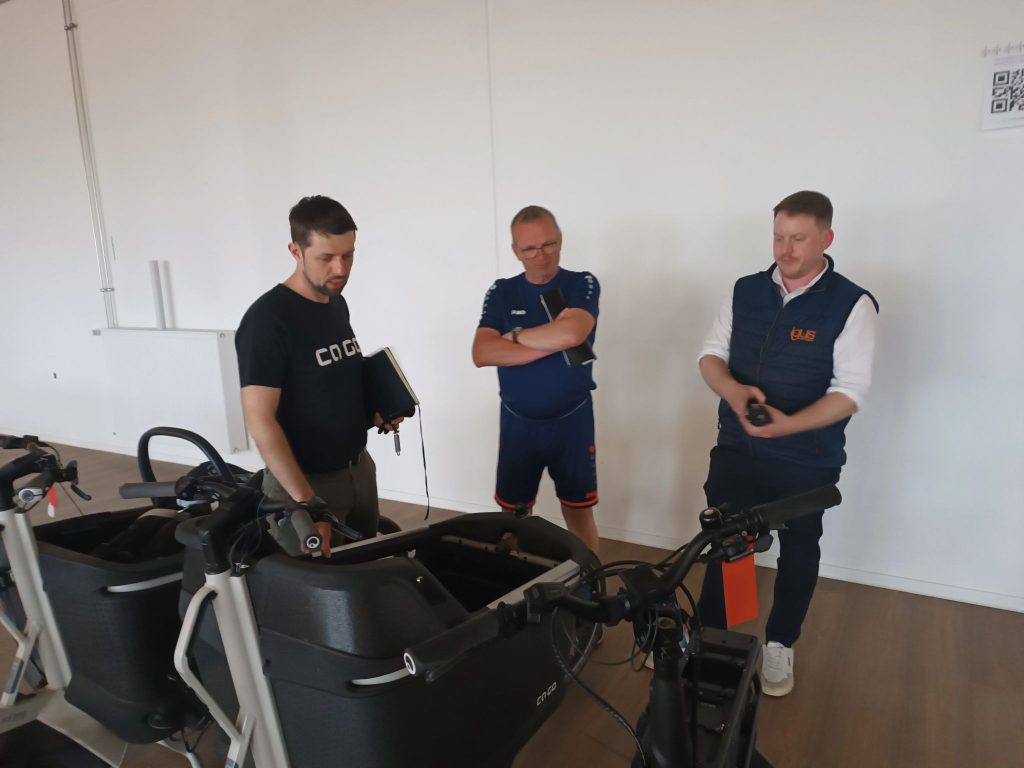
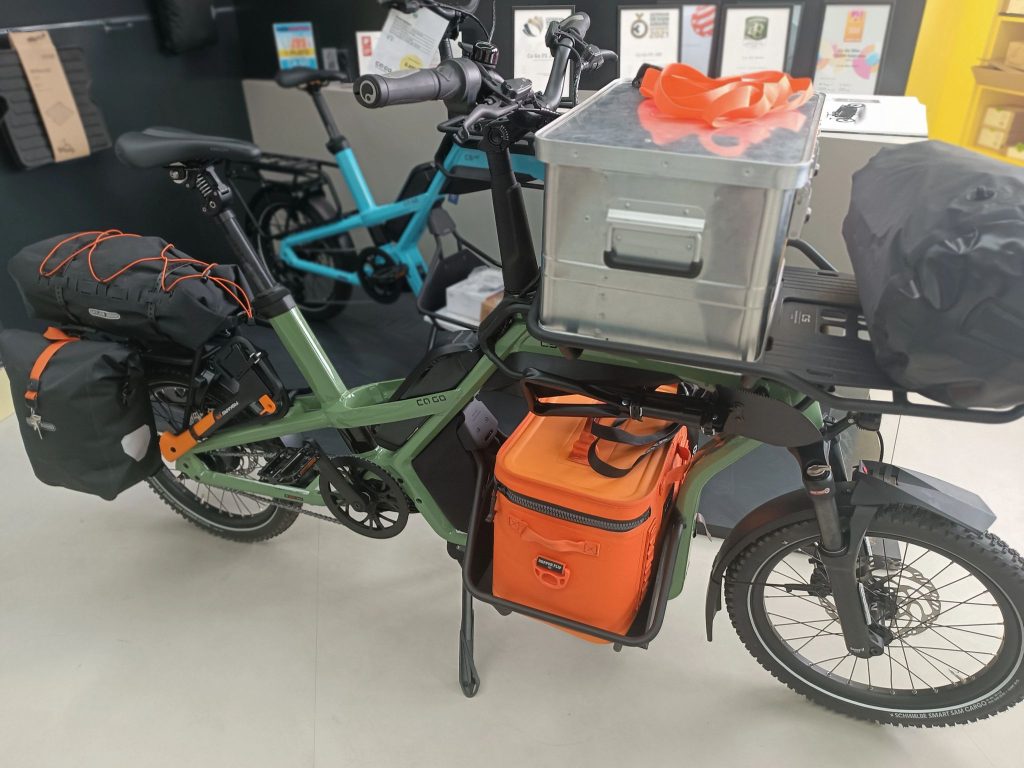
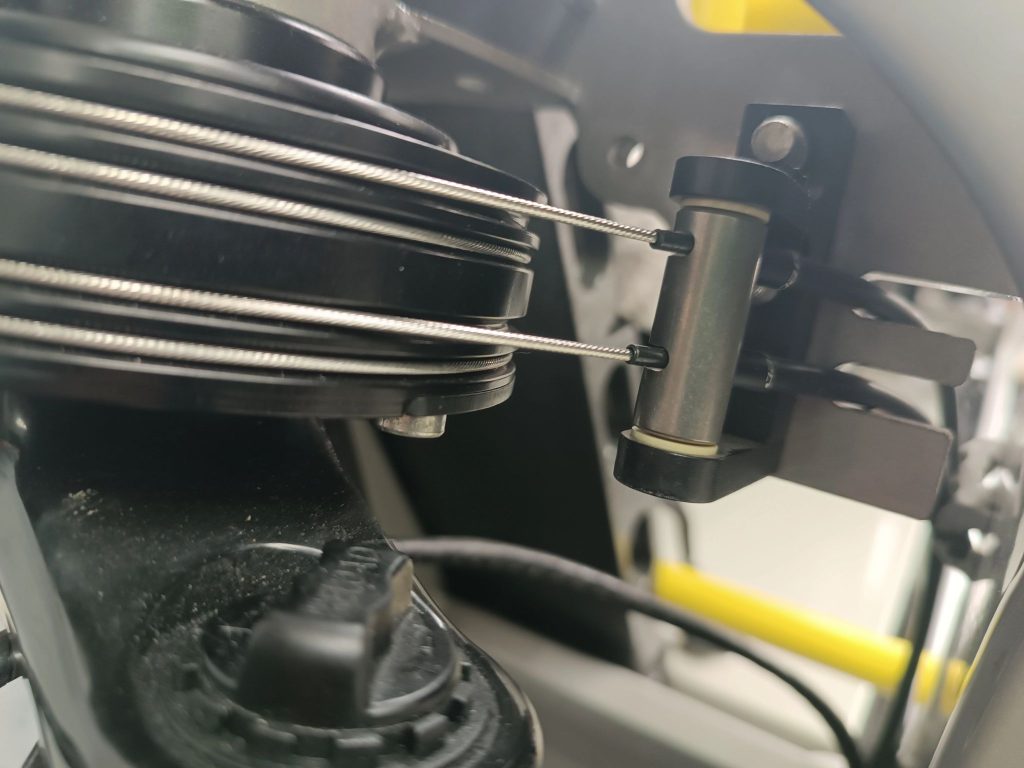
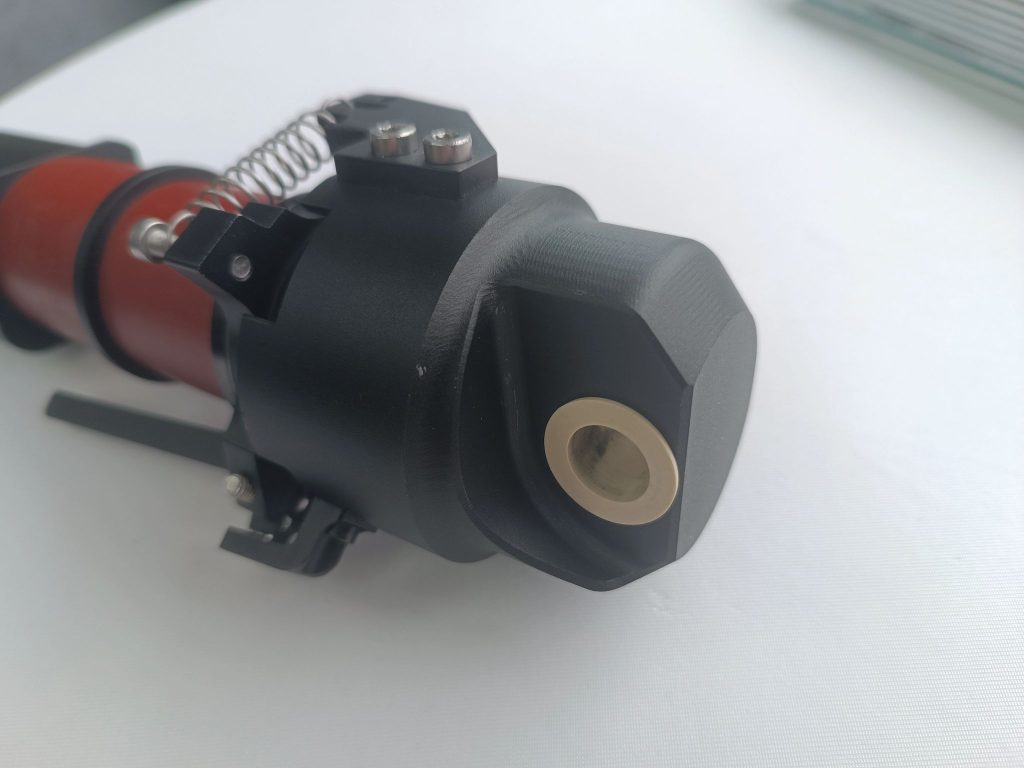
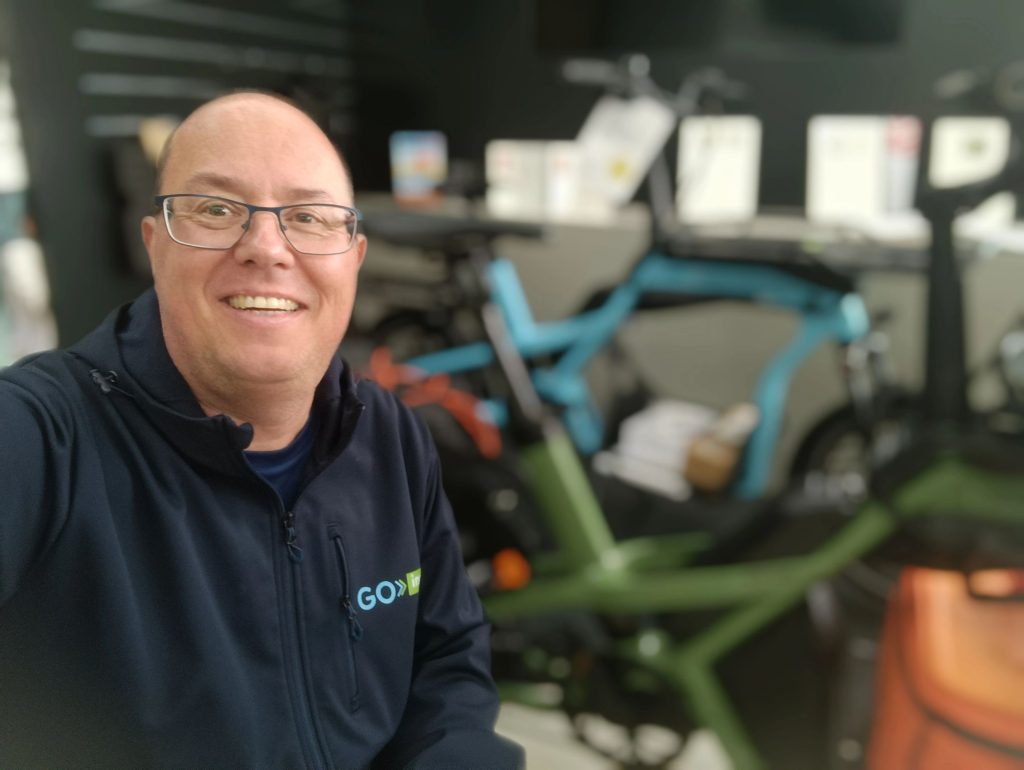
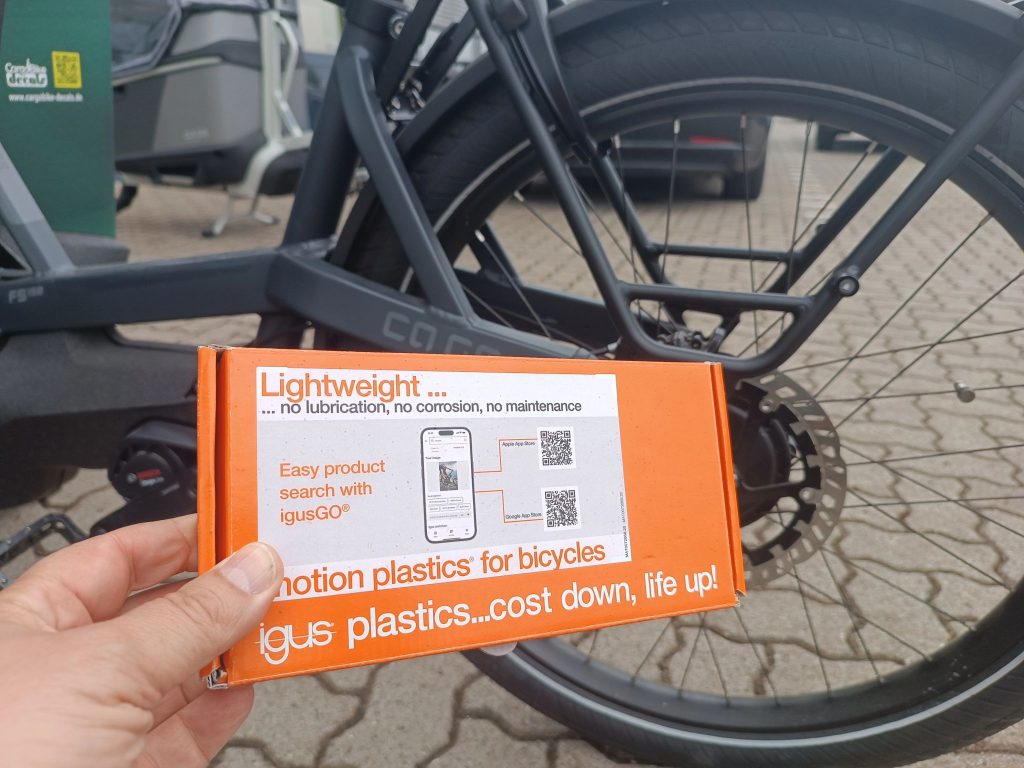
Further enriching the day, the team visited Ca Go Bike, innovators in cargo bike manufacturing that incorporate igus bearings for frictionless and durable performance. The editors tested the bikes firsthand, experiencing how igus components excel even under constant motion and demanding conditions.
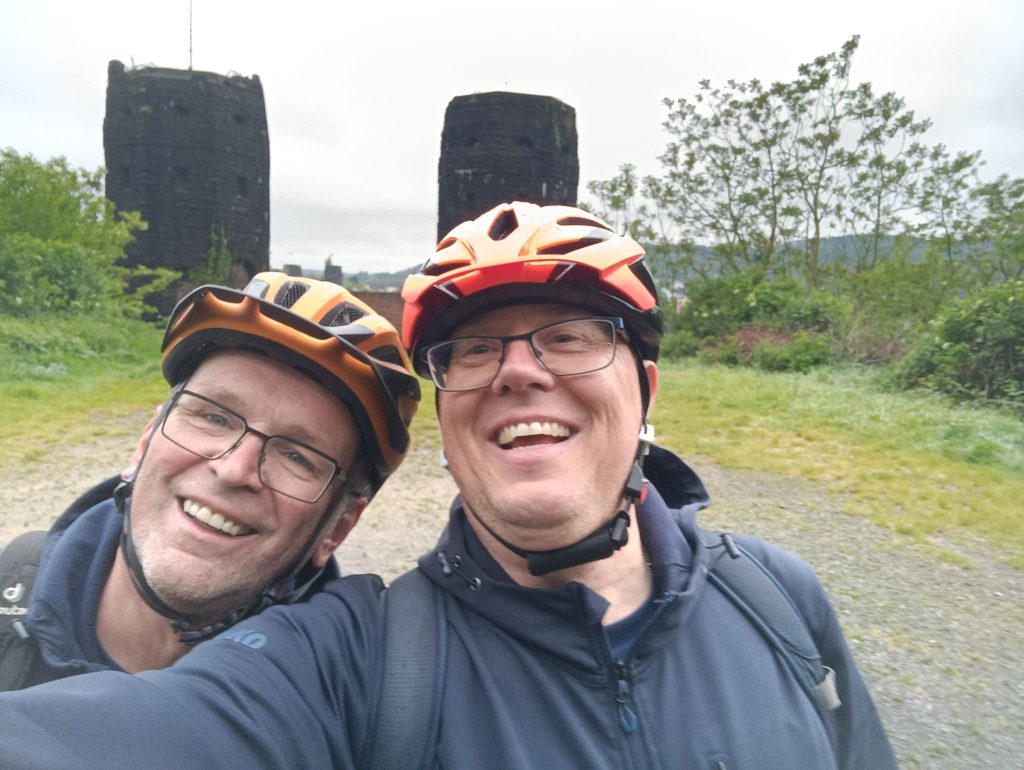
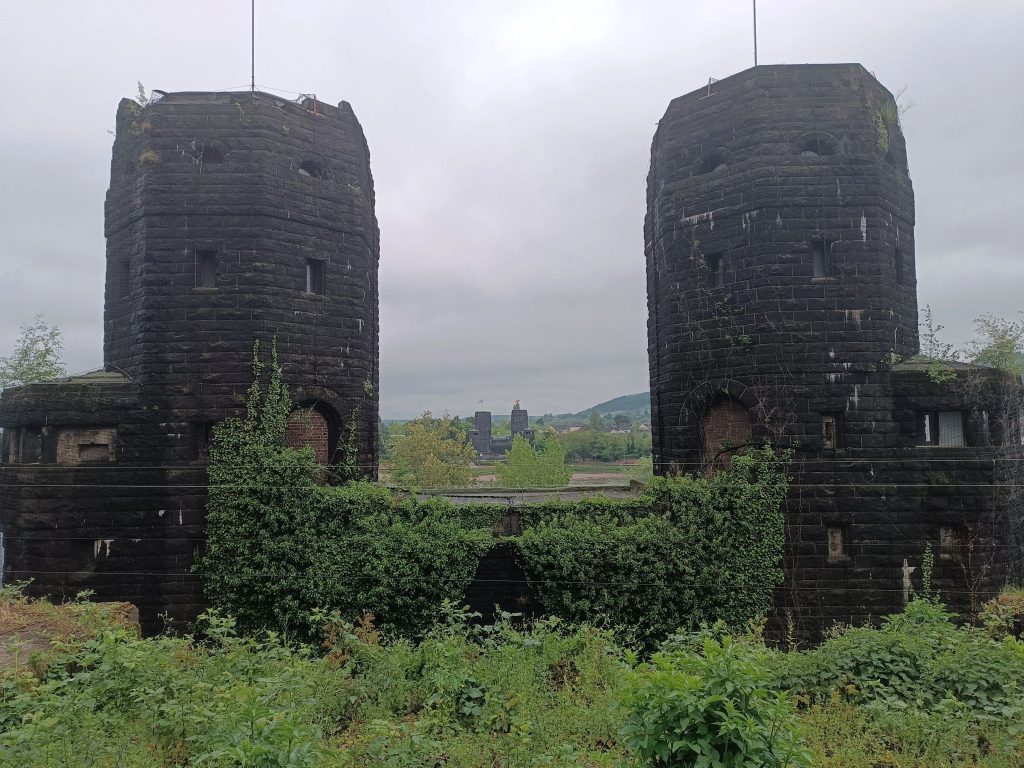
As the journey continued, the team reached Remagen, where the iconic towers of the Ludendorff Bridge stand as a striking reminder of history. Once a vital crossing during World War II, these ruins now serve as a symbol of resilience and peace. Pausing here offered a moment to reflect on the interplay of history, engineering, and progress embedded along the Rhine.
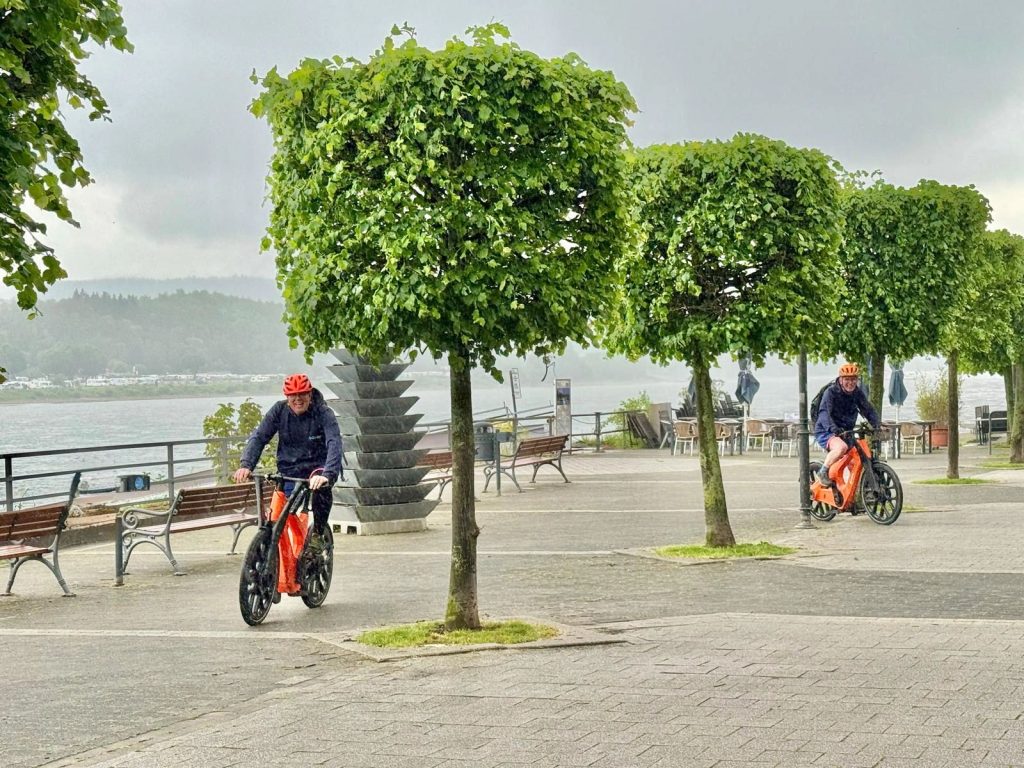
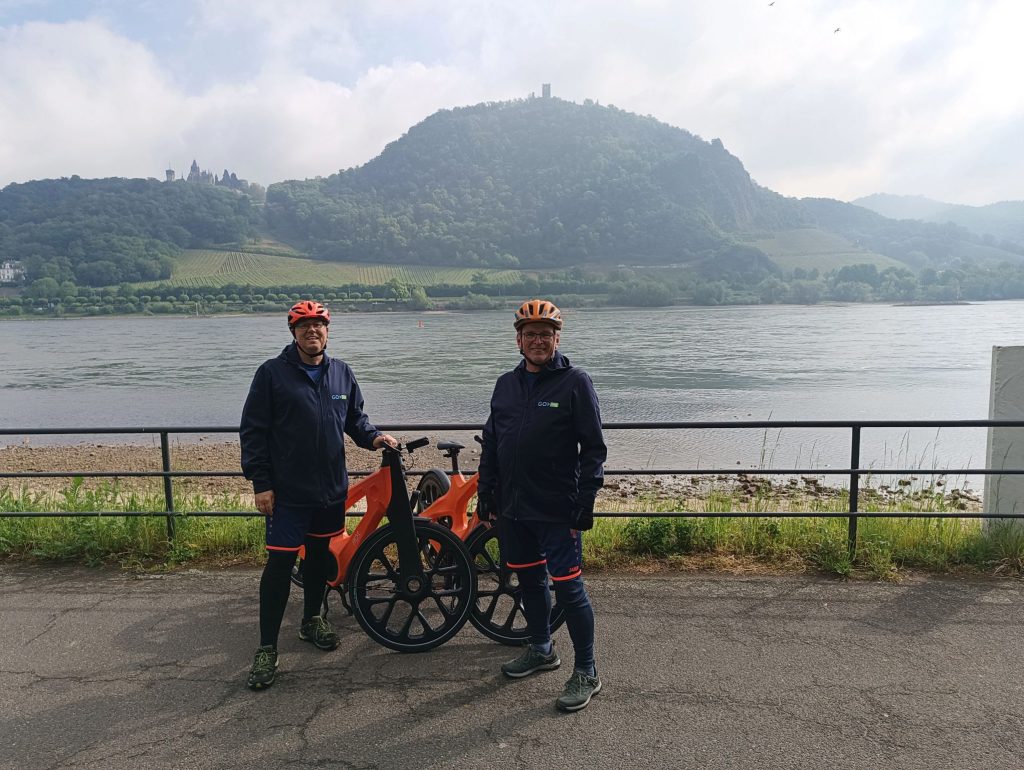
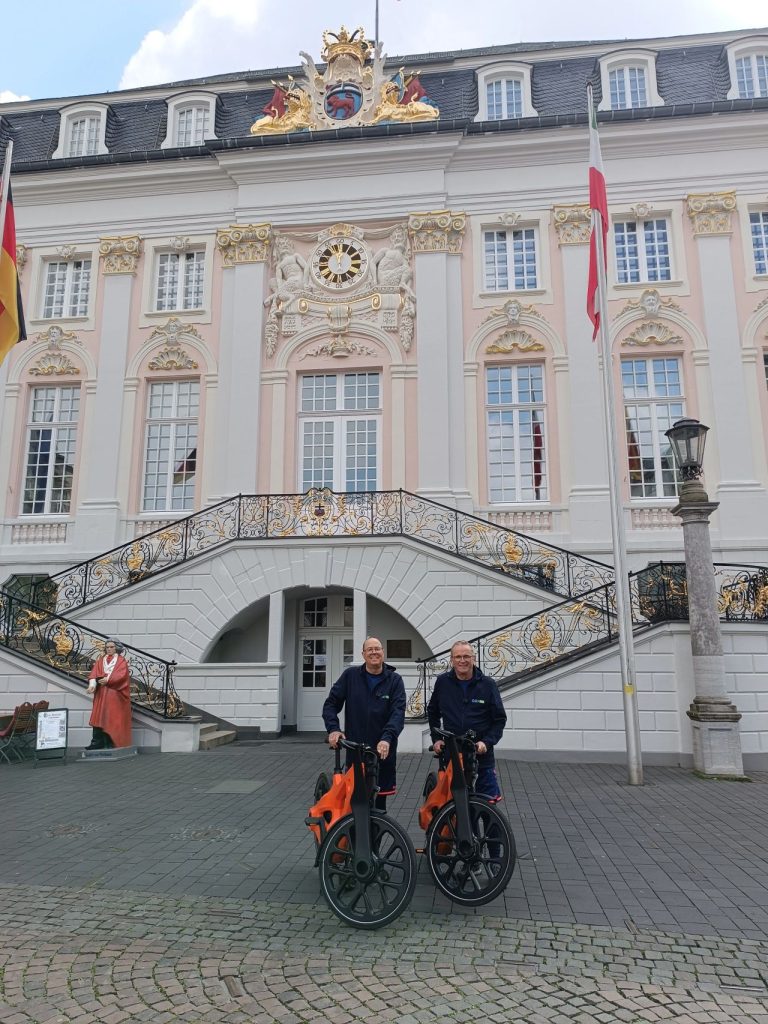
With the rain slowly subsiding, the editors pressed onward toward Bonn, passing scenic spots such as Drachenfels and the former plenary chamber of the Bundestag, originally housed in the old waterworks building. Joined by Anja Görtz-Olscher, the team found fresh energy for the final challenging push toward Cologne.
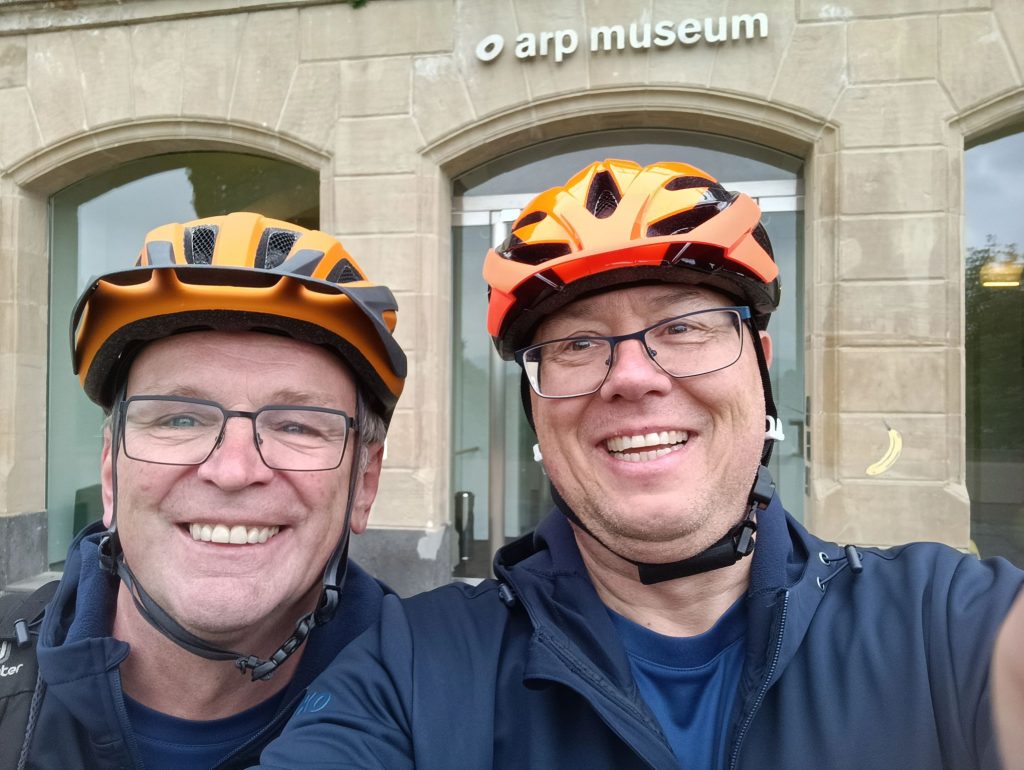
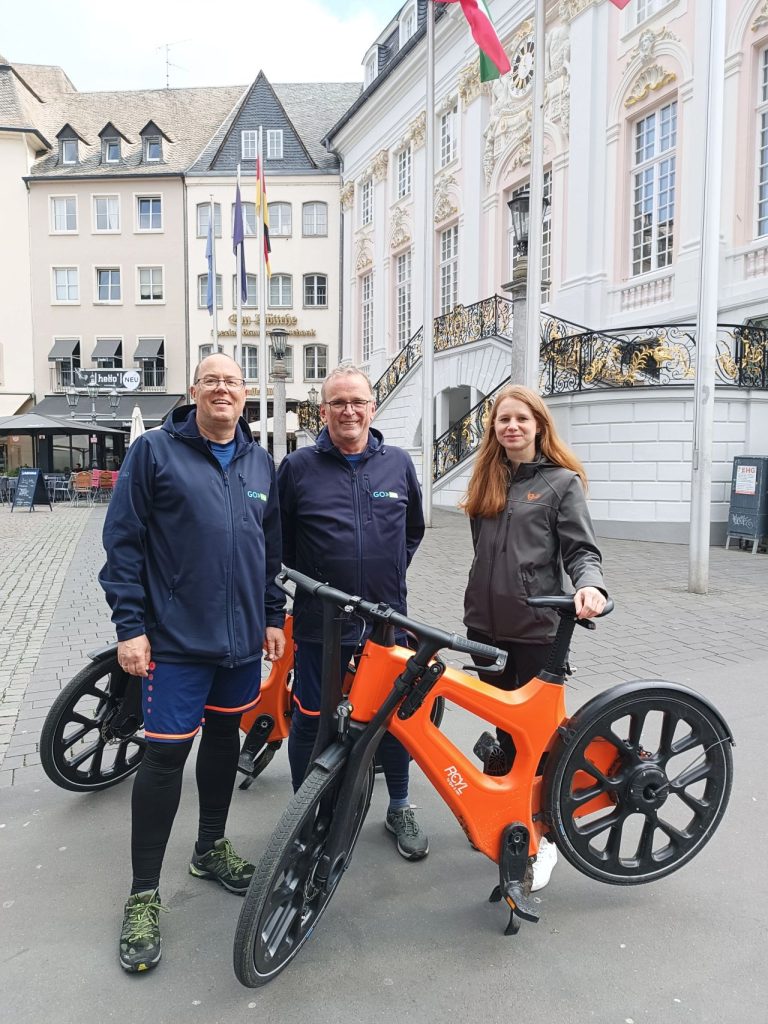
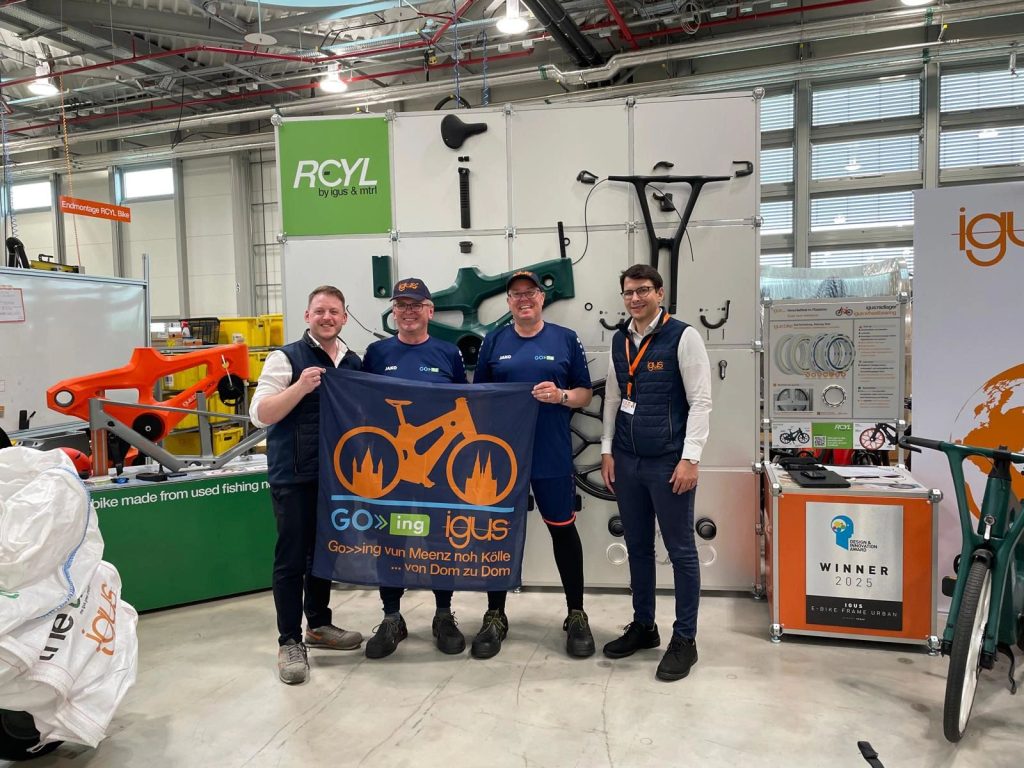
Before reaching the city with the next cathedral, the team made an essential stop: the igus factory on the city’s outskirts. Here, they explored the bike production pipeline and conducted interviews with Jens Boldt and Dr. Thilo Schultes, gaining valuable insights into the extensive research and development that brought the igus:bike to life.
The Final Stretch: Cologne Awaits
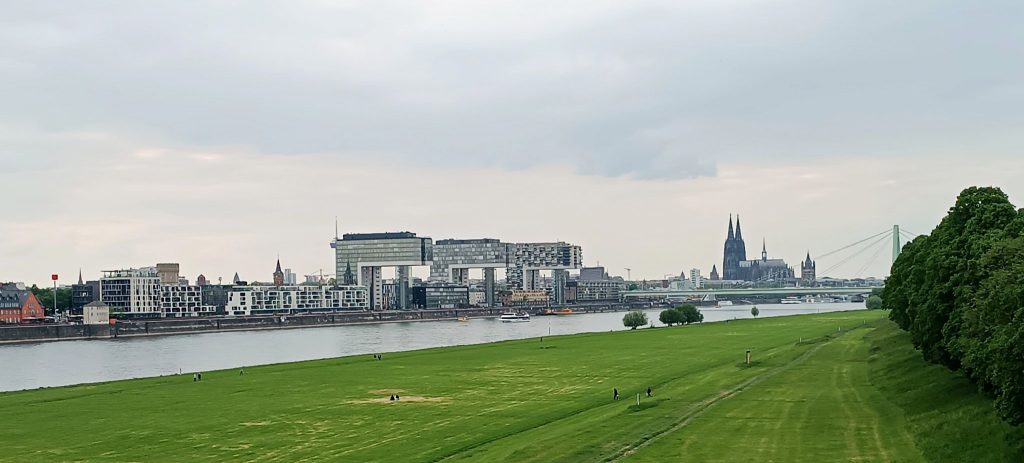
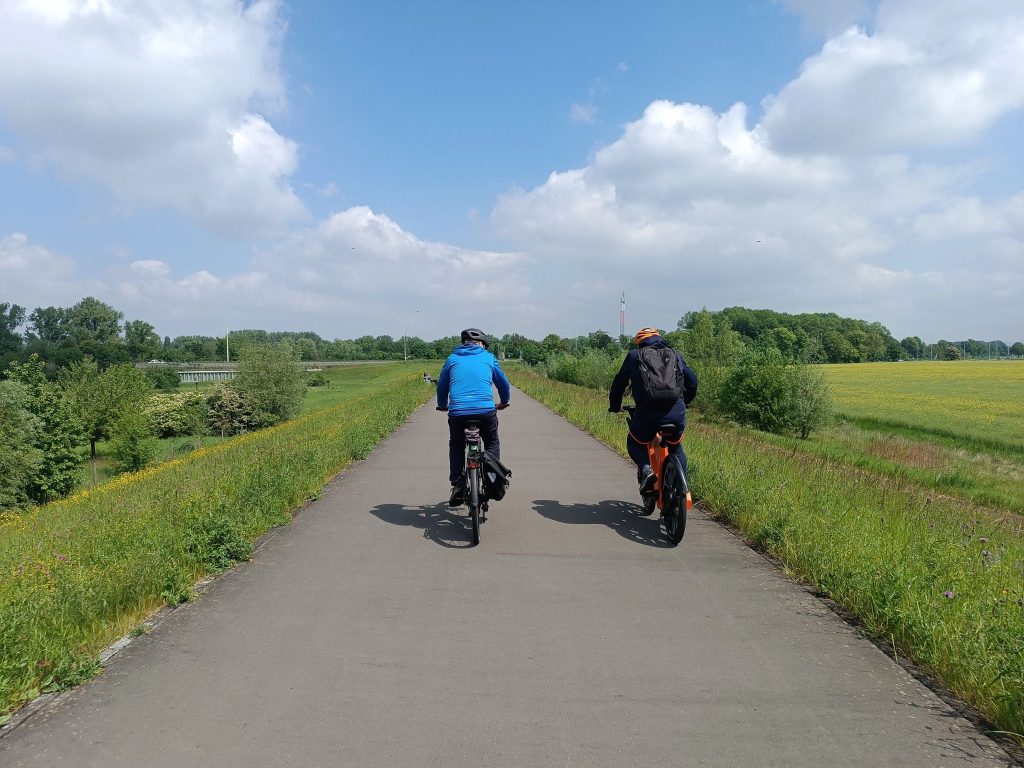
With Selina Pappers and Jan-Philipp Hollmann joining for the last leg, the editors cycled the final kilometers through fields and green spaces, eventually crossing Südbrücke – where they carried their bikes up over 50 stairs for a rewarding view of Kölner Dom.
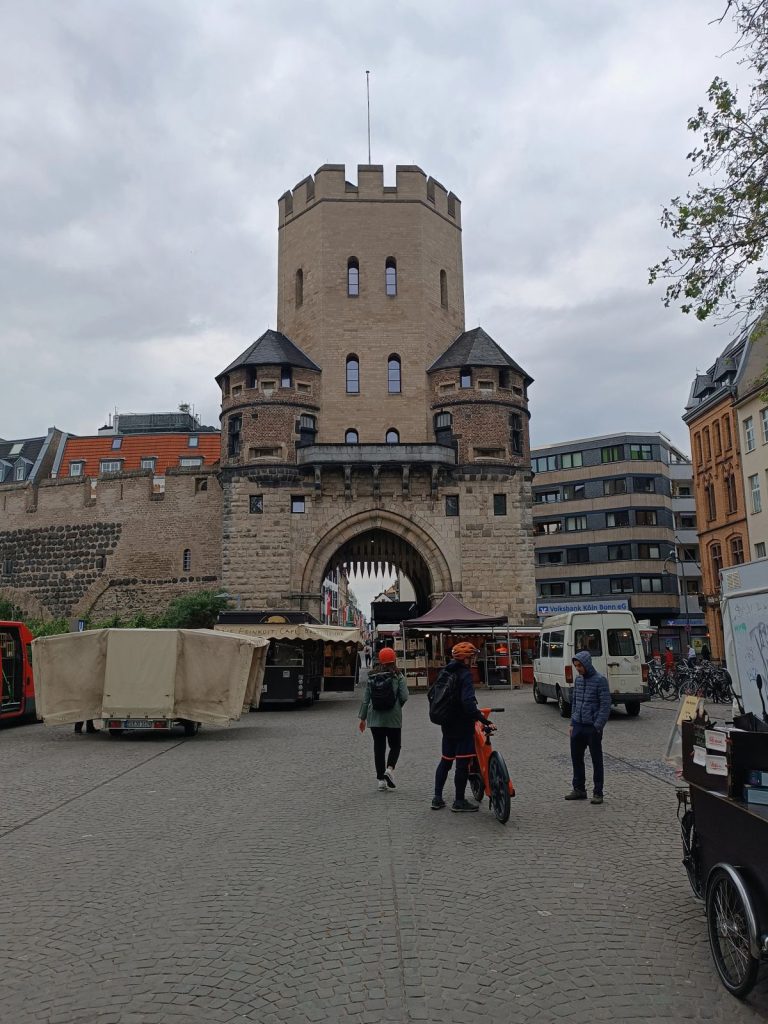
From there, they rode through Severinstraße, past Heumarkt and Alter Markt, until they reached the cathedral.
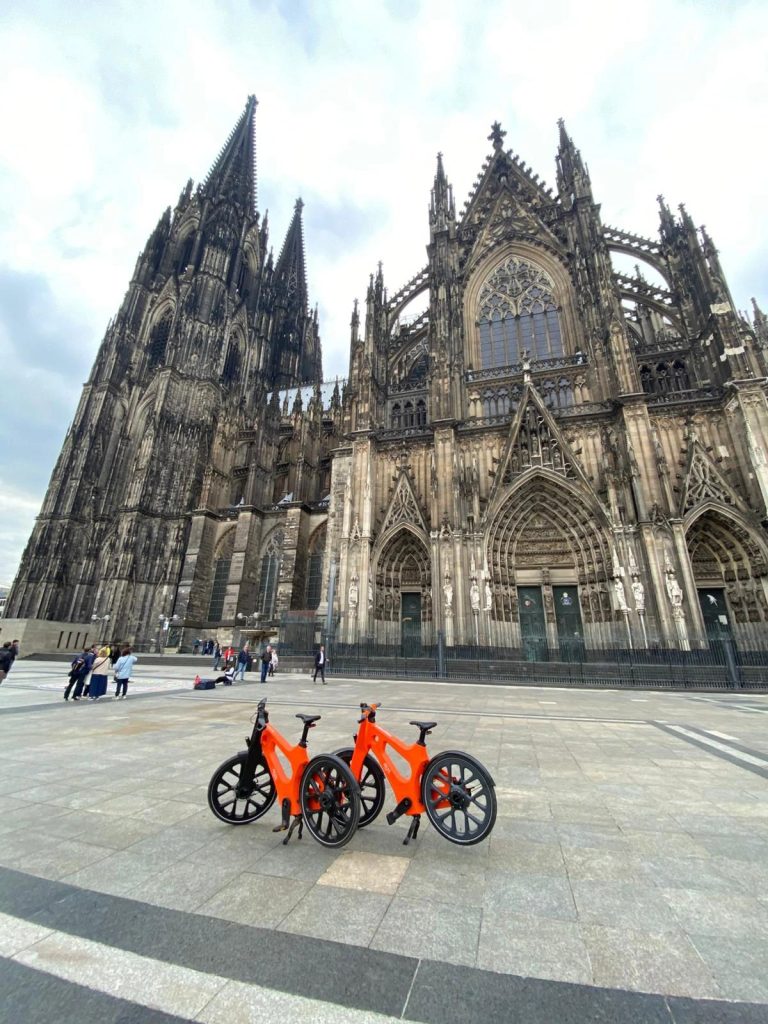
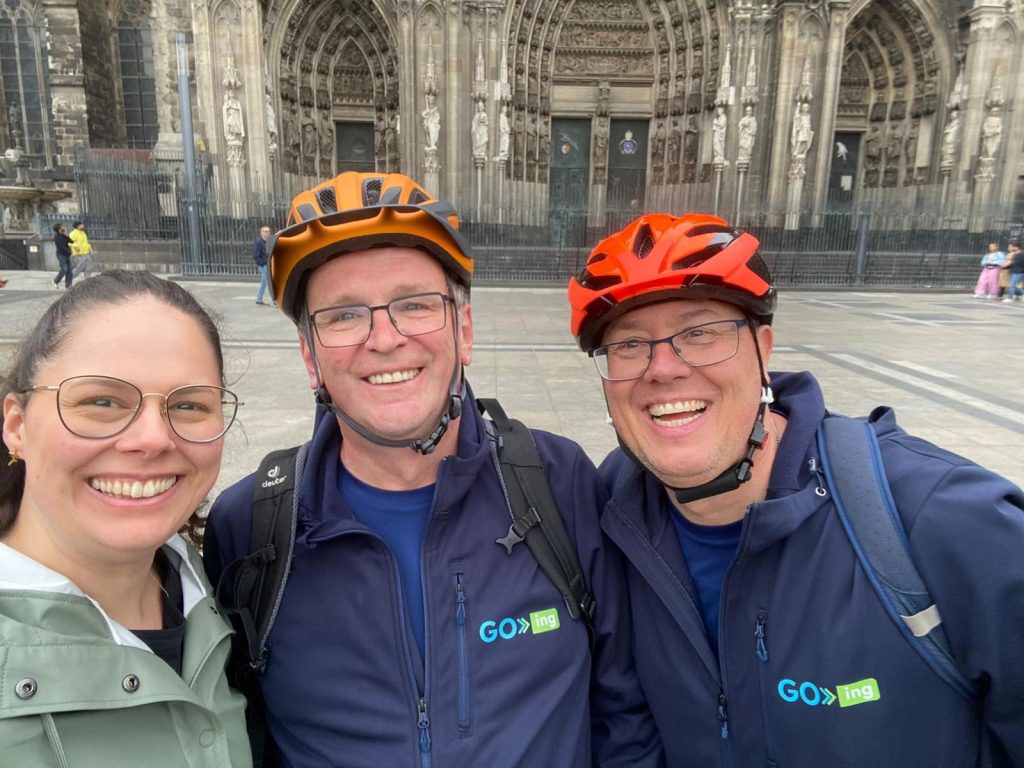
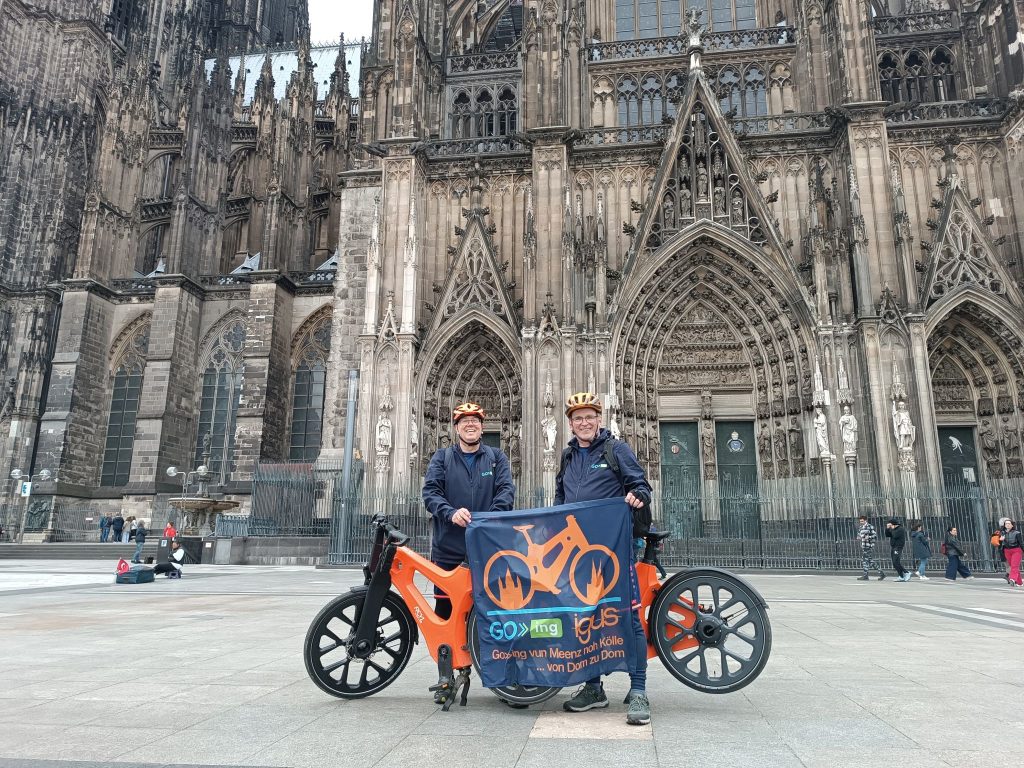
Finally, they did it! The editors stood in front of the Kölner Dom, celebrating an unforgettable journey filled with challenges, exploration, and moments of sheer joy.
What the Tour Proved
This wasn’t just a bike ride – it was a testament to igus innovation and the enduring spirit of exploration. Polymer-based technologies like self-lubricating components proved their power, thriving under rain, mud and long distances.
From cultural landmarks to industrial engineering, the igus:bike Tour showcased how motion drives progress – in all its forms. Whether navigating cities or developing groundbreaking technologies, the journey never stops. 🚴♂️