From Riverside Paths to Mediterranean Breezes: The Final Chapter of the igus:bike Worldtour
Michael Poepke | 23. June 2026
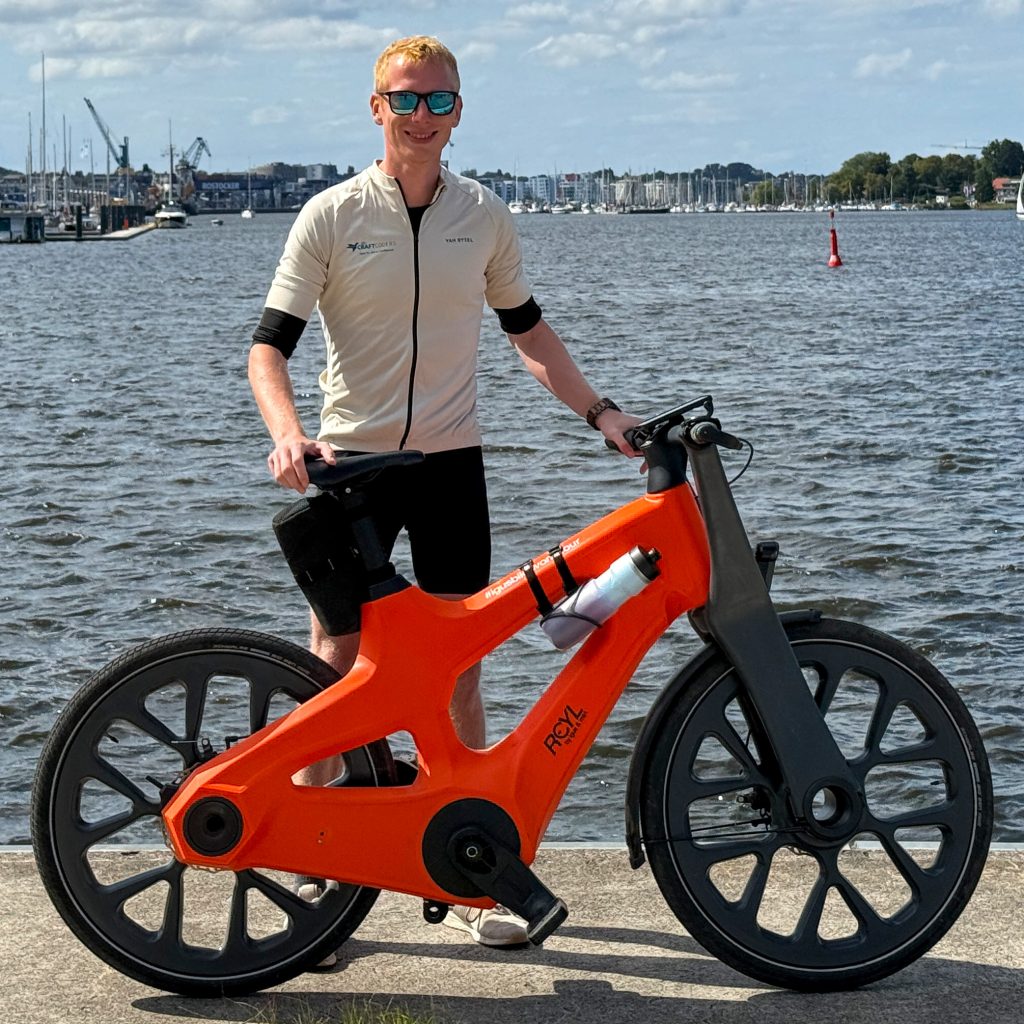
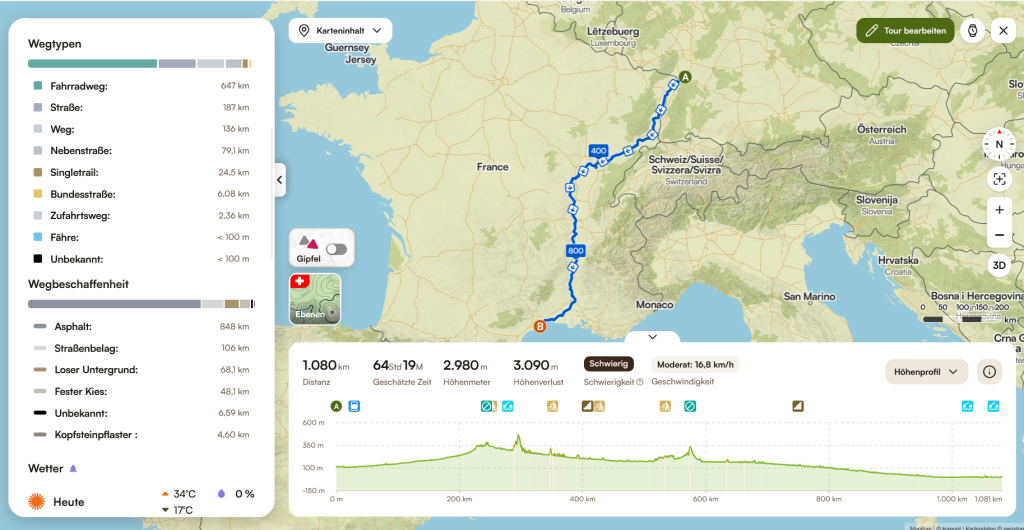
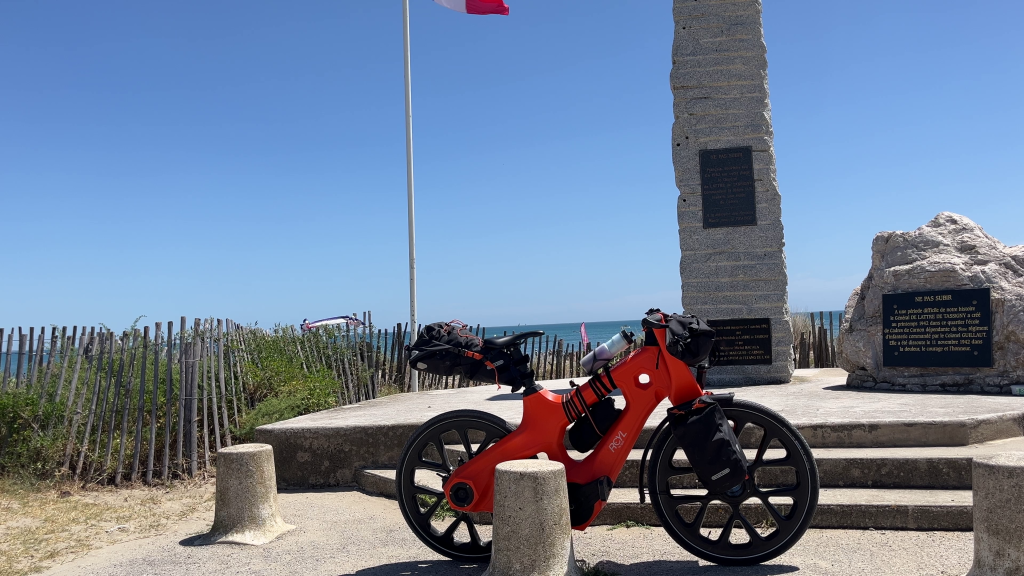
The igus:bike Worldtour reached its grand finale with an adventurous two-week ride spanning 1,072 kilometers from Karlsruhe, Germany to Montpellier, France. With 12 demanding stages, breathtaking landscapes, and the ultimate test for the world’s first bike made almost entirely of recycled plastic, this journey stood for more than just kilometers – it showcased the resilience of innovation and the passion for exploration.
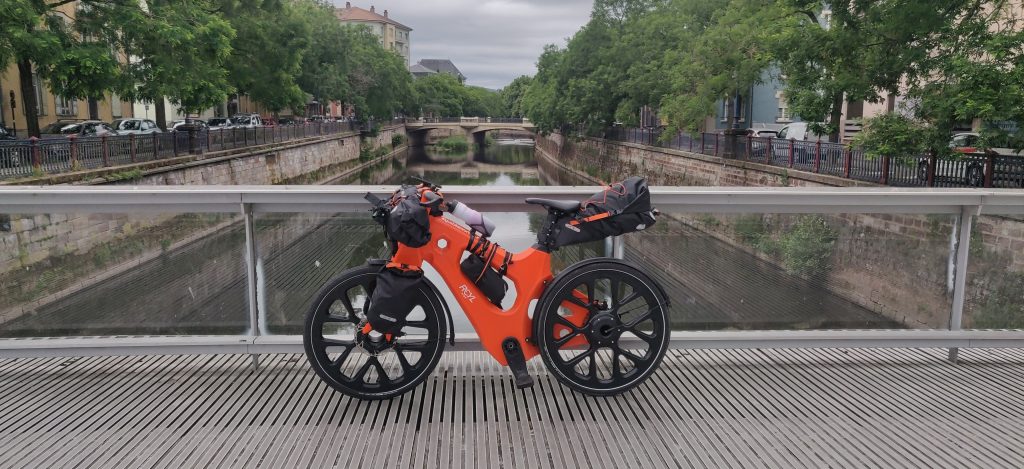
Setting Out: A Bike Built for the Challenge
The tour began with a question: Could an urban bike made of recycled plastic tackle 1,072 kilometers across hills, rivers, and scorching heat – while staying smooth, rust-free, and low-maintenance?
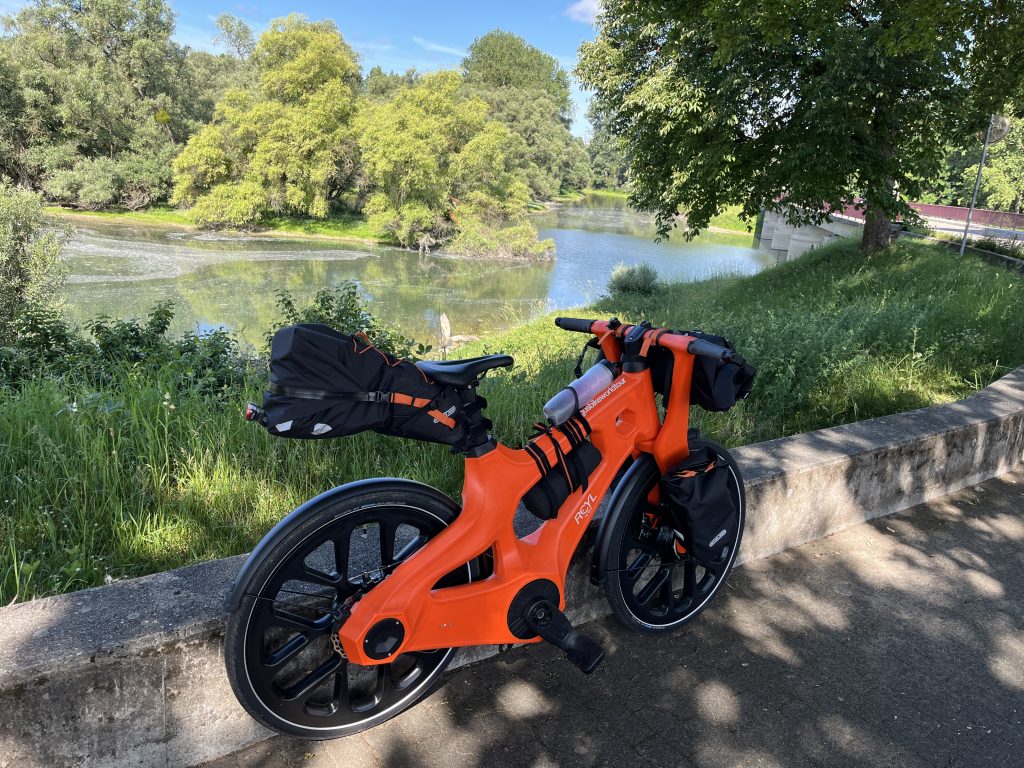
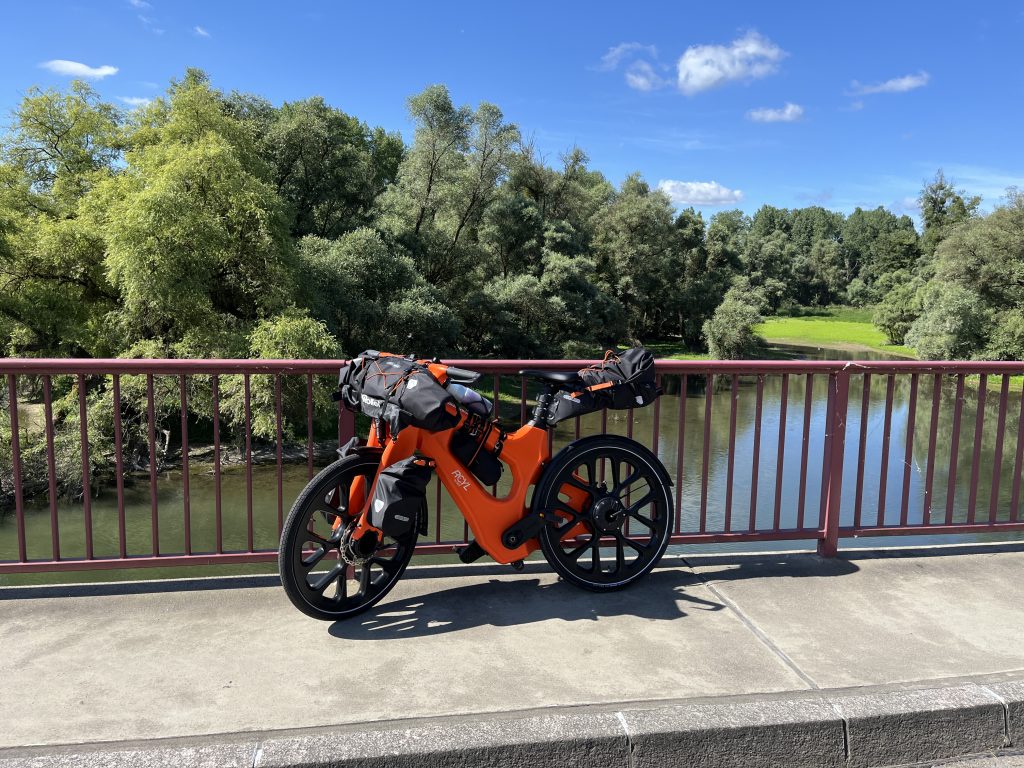
The answer would be found over the course of an intense two weeks as our colleague took on the ultimate endurance test. Equipped with the igus:bike, he set out from Karlsruhe with the goal of pushing the bike – and himself – across France’s diverse terrain to reach the Mediterranean Sea.


12 Stages: A Journey Full of Challenges and Triumphs
Stage 1: Karlsruhe – Strasbourg (92 km, 140 m elevation)
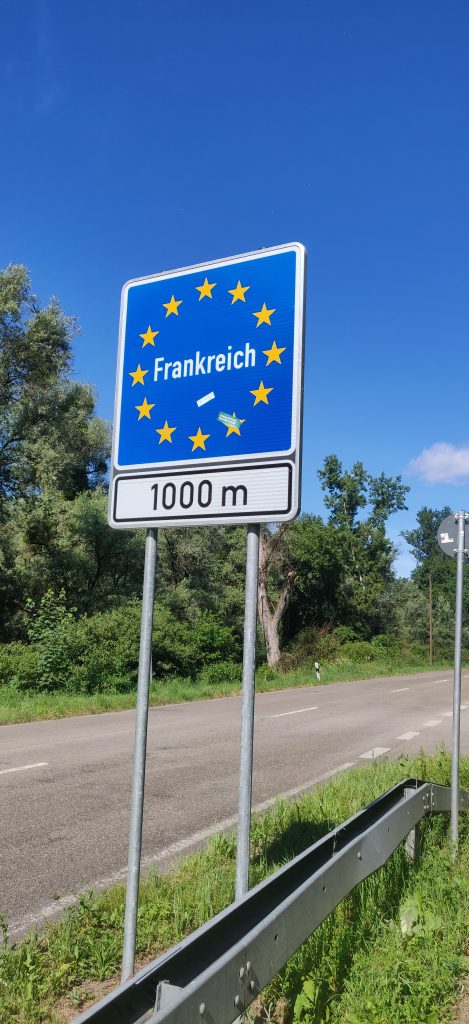
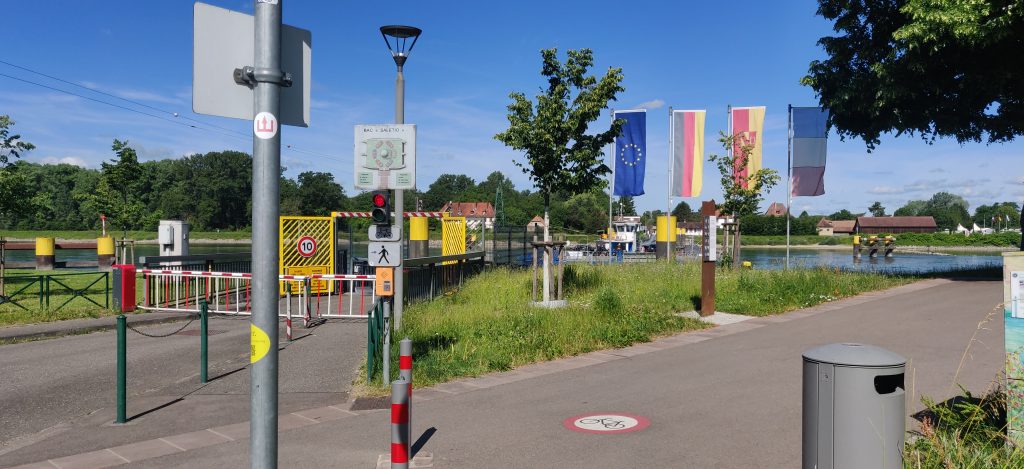
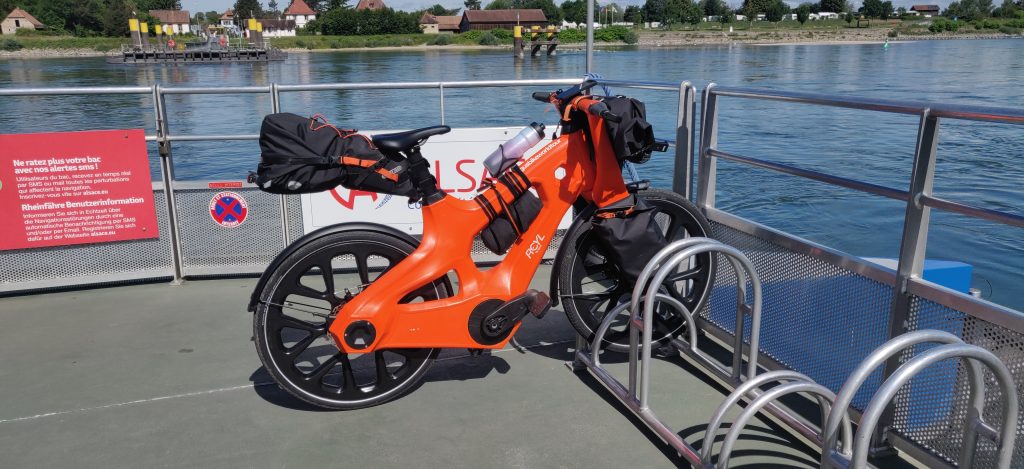
The journey began with flat terrain along the Rhine, a ferry crossing, and sunny skies. Strasbourg welcomed the rider with canals and historic charm.
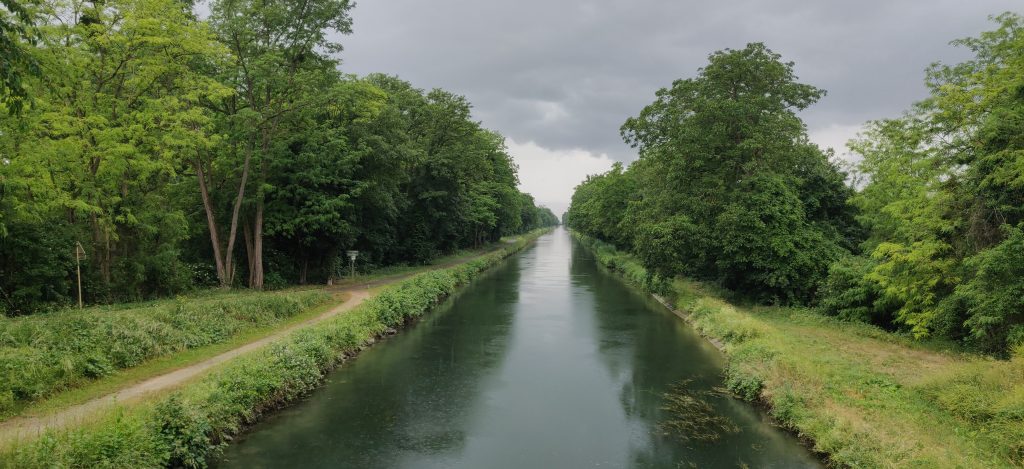
Stage 2: Strasbourg – Colmar (82 km, 170 m elevation)
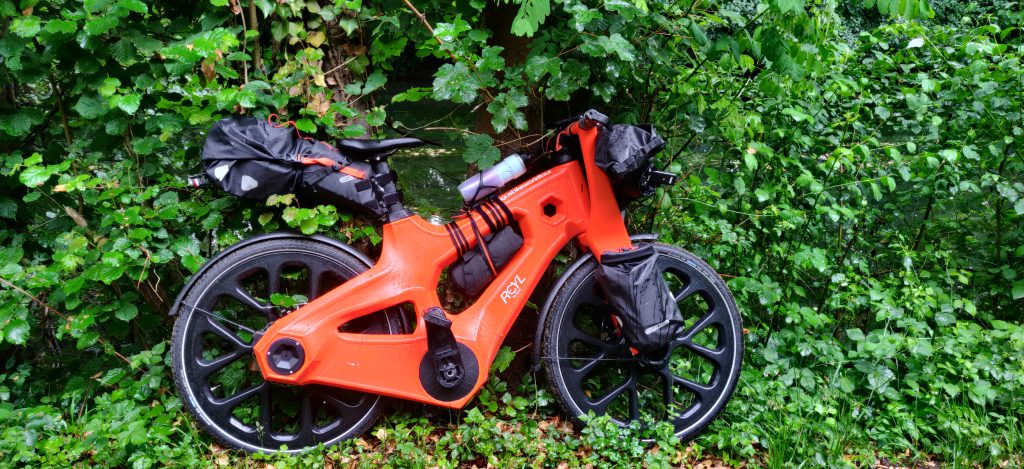
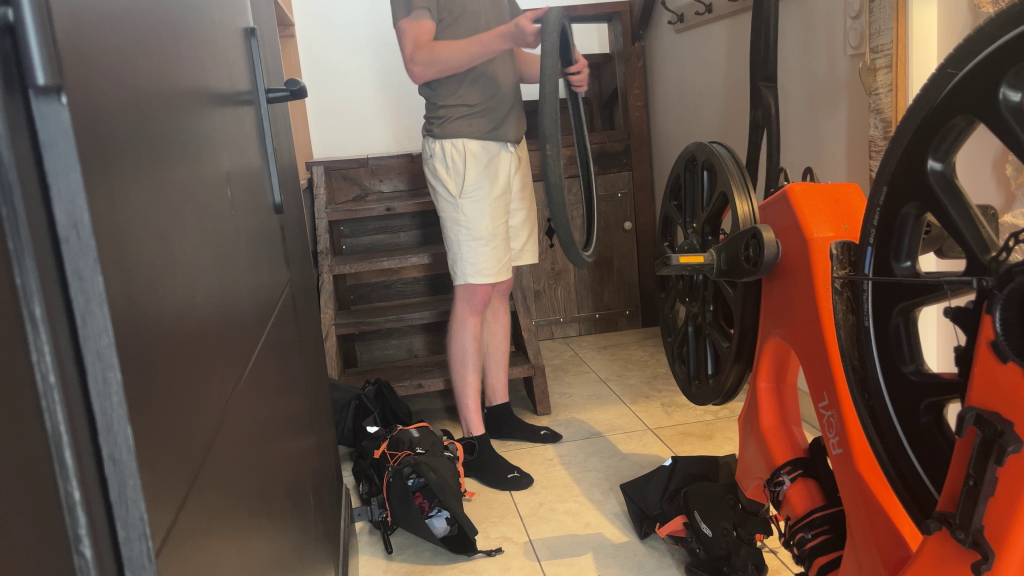
Battling two thunderstorms, rain, and a puncture just before Colmar, this stage showcased both the beauty and unpredictability of cycling through the Alsatian plains.
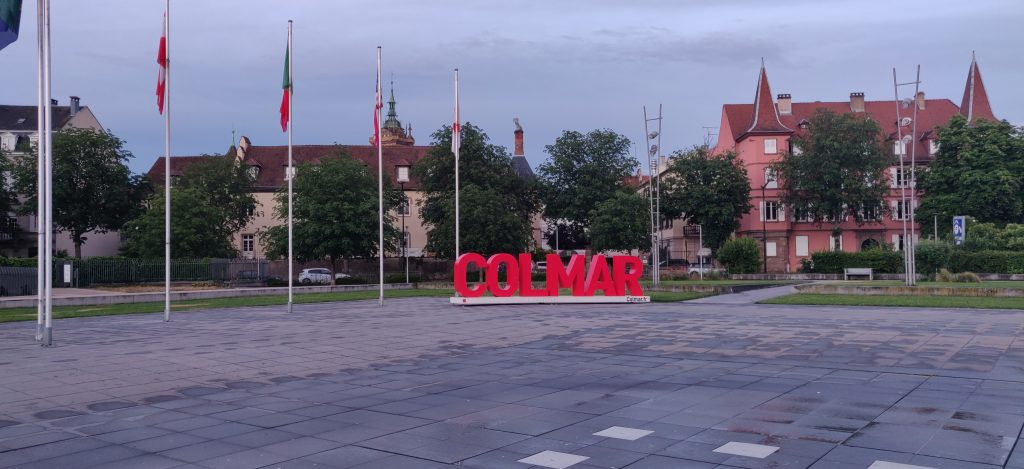
Stage 3: Colmar – Belfort (85 km, 390 m elevation)
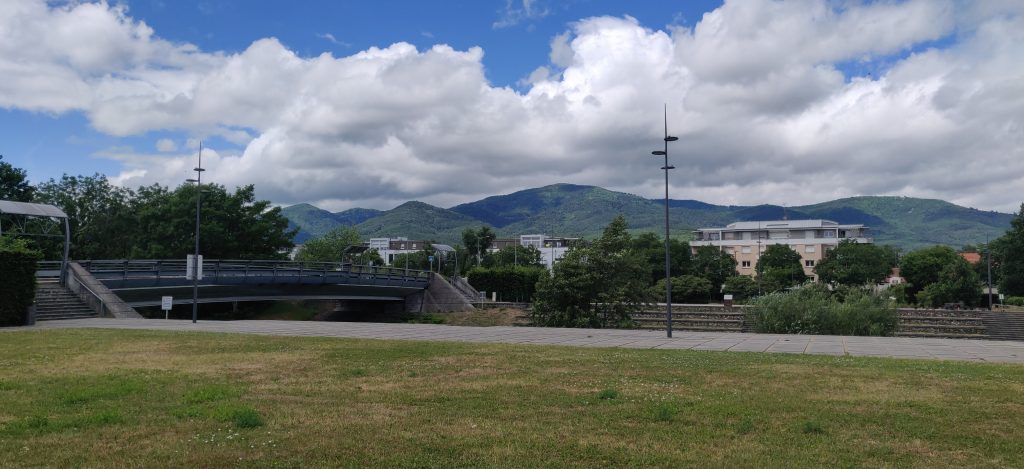
Moving into southern Alsace, the stage crossed Vogesenausläufer (the foothills of the Vosges) and entered the picturesque Burgundy Gate. Belfort was the gateway to more elevation.
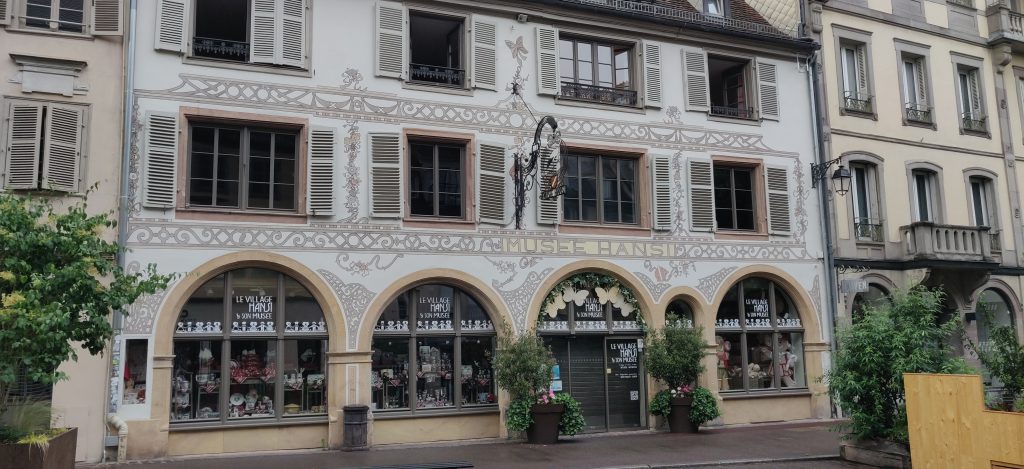
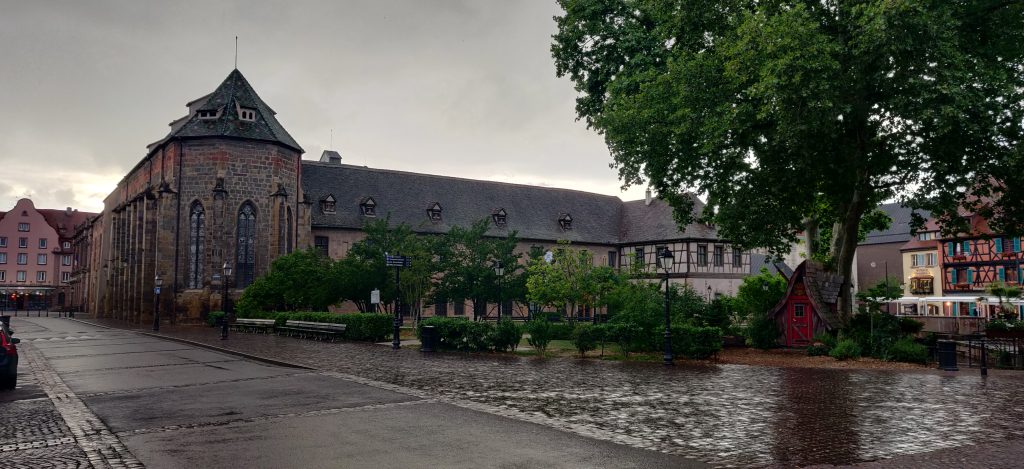
Stage 4: Belfort – Besançon (115 km, 670 m elevation)
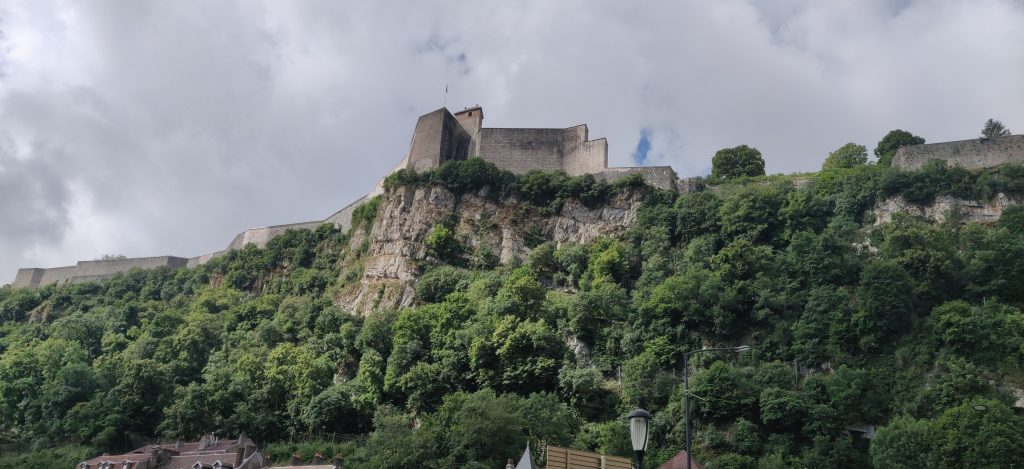
The most challenging stage of the tour featured fierce winds and steep climbs through the Jura valleys. Heavy rain added to the difficulty, with Besançon providing a well-earned rest at its iconic citadel.
Stage 5: Besançon – Dole (64 km, 310 m elevation)
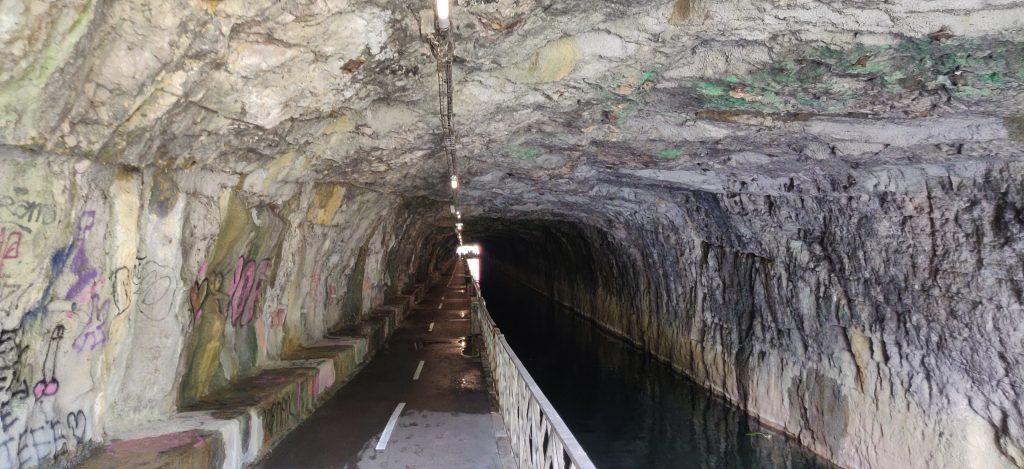
A shorter, calmer day with beautiful views along the Doubs River and quieter canals, leading to the charming medieval town of Dole.
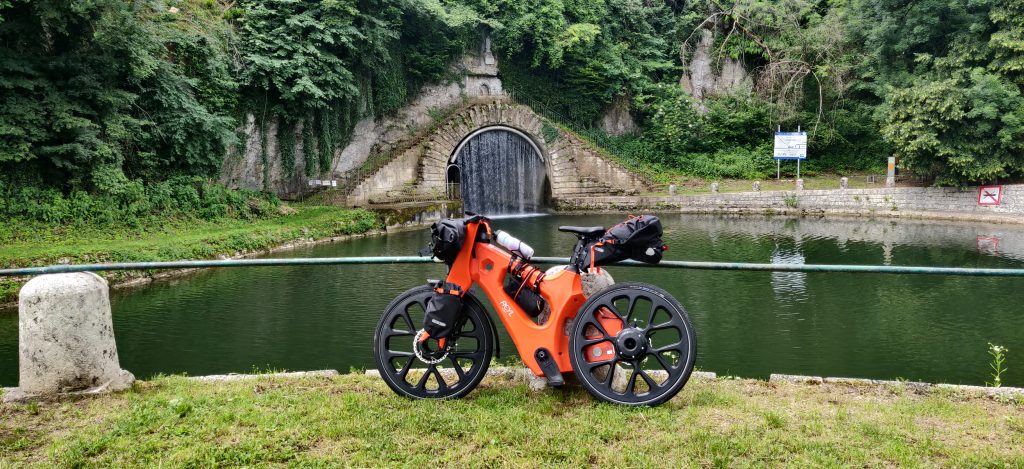
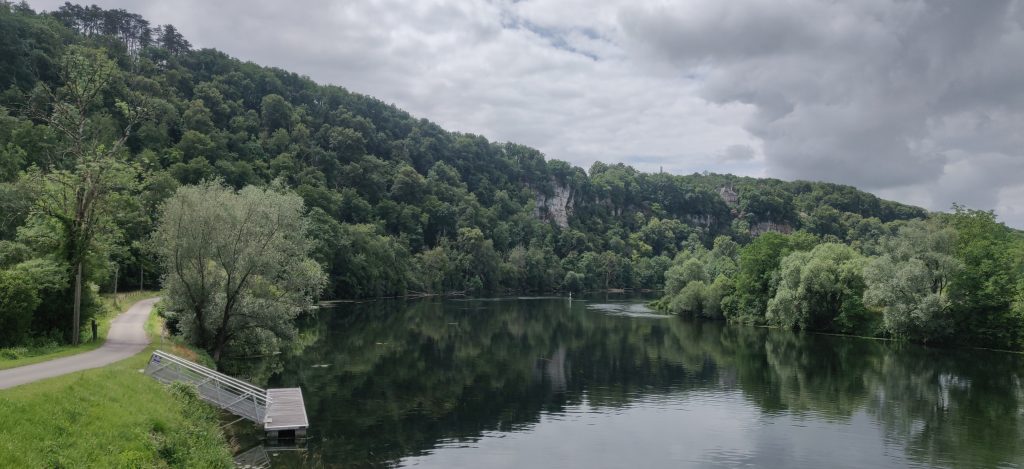
Stage 6: Dole – Chalon-sur-Saône (92 km, 170 m elevation)
Entering Burgundy, the route followed vast Saône plains. Sunny skies and mild winds made this stretch a pleasant reprieve before a rest day in Chalon-sur-Saône.
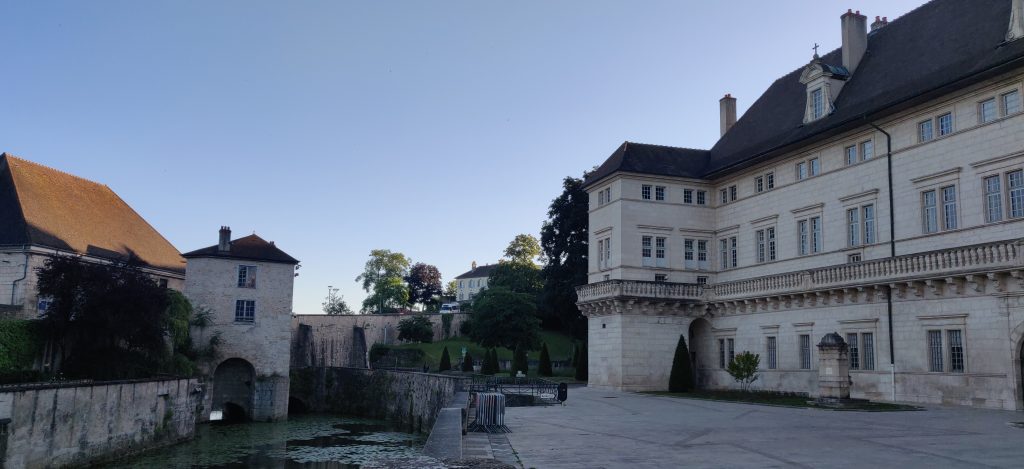
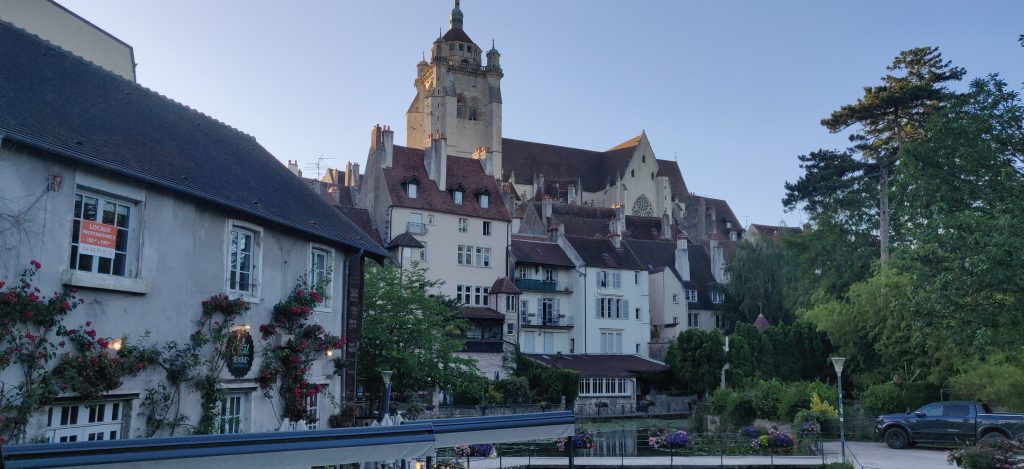
Stage 7: Chalon-sur-Saône – Mâcon (67 km, 100 m elevation)
With lighter winds and stunning vineyard views in Mâconnais, this stage highlighted calmer conditions and beautiful rolling hills.
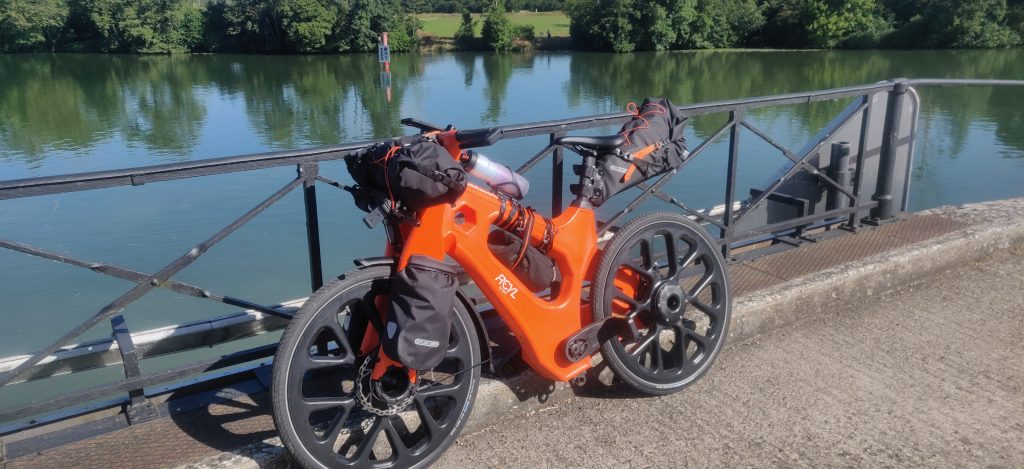
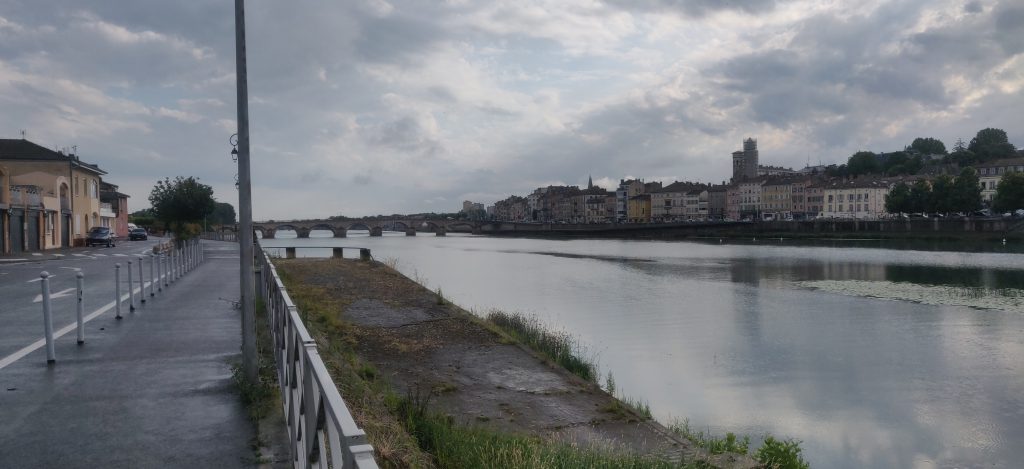
Stage 8: Mâcon – Lyon (85 km, 200 m elevation)
Following the Saône into Lyon, this stage balanced urban routes and scenic riverside views. Lyon – a bustling Renaissance city – provided architectural beauty at the Rhône-Saône confluence.
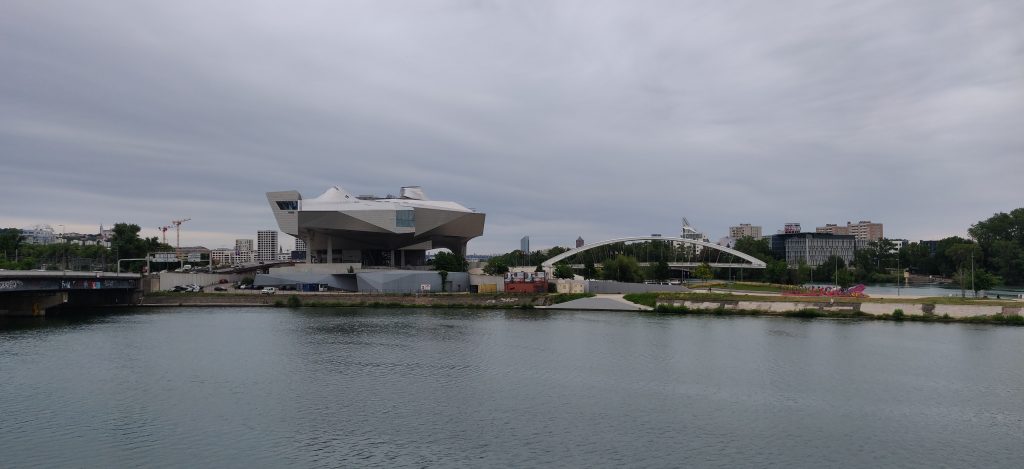
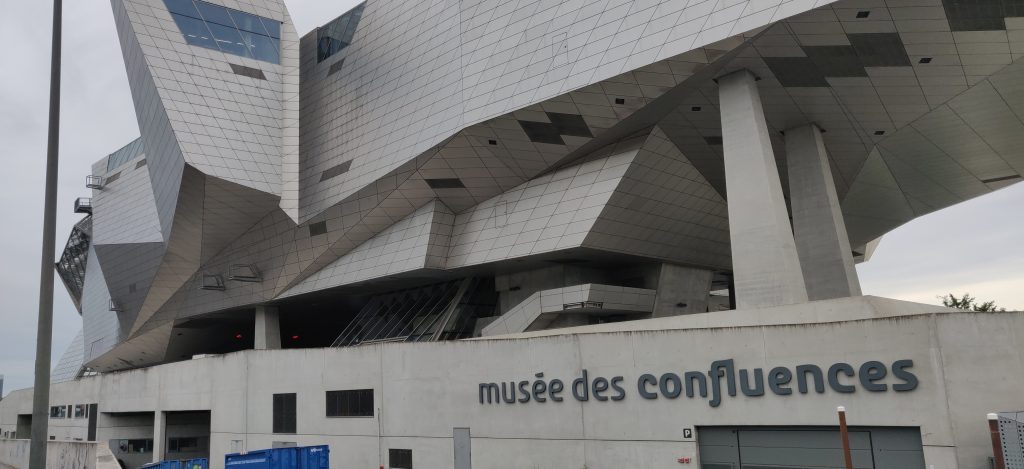
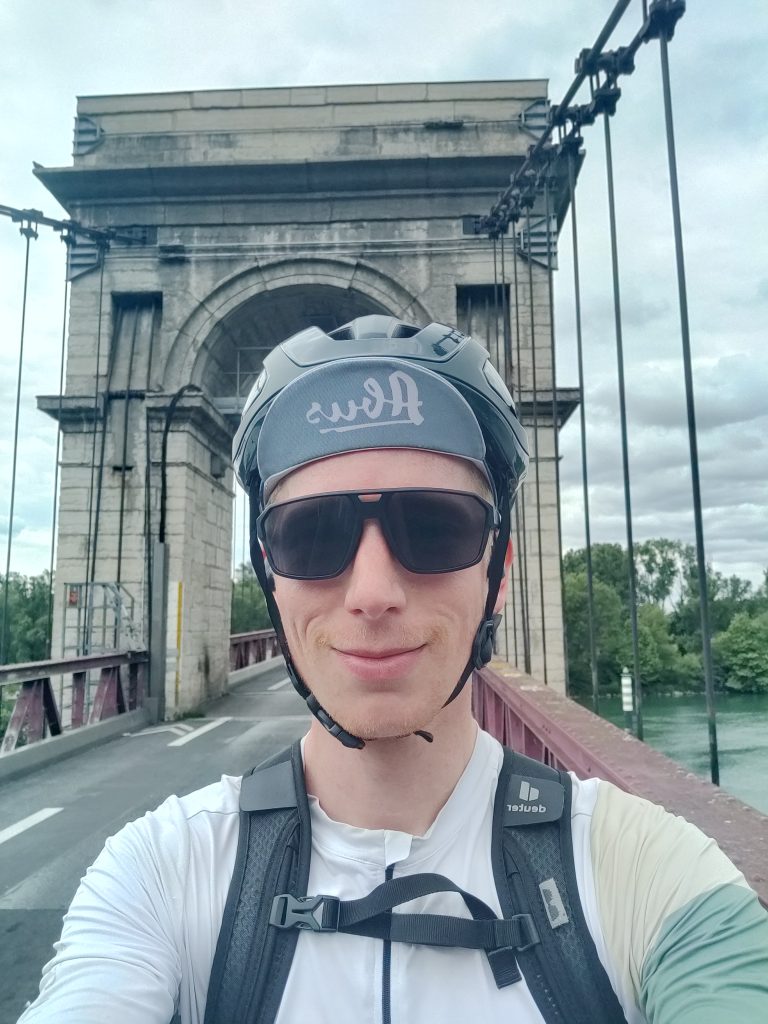
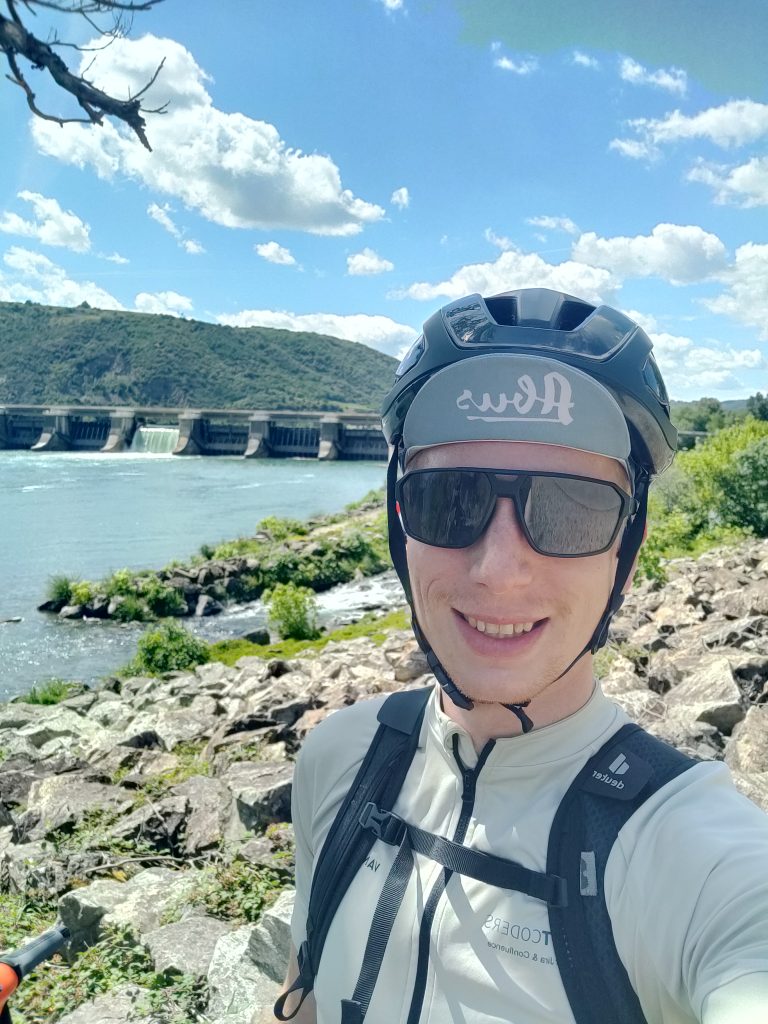
Stage 9: Lyon – Saint-Rambert-d’Albon (74 km, 190 m elevation)
With the Mistral tailwind kicking in, the Rhône Valley starts to shine. Passing through Vienne, wine terraces, and fruitful orchards, this stage introduced a taste of Provence.
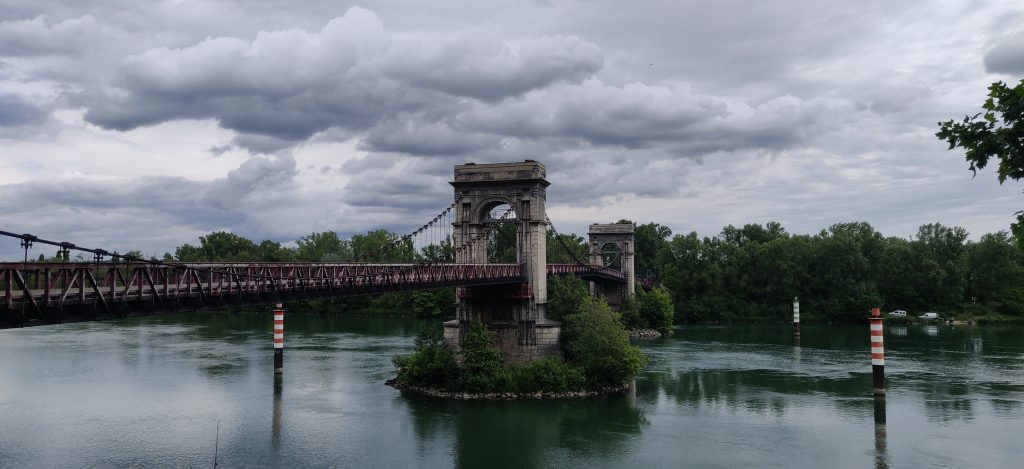
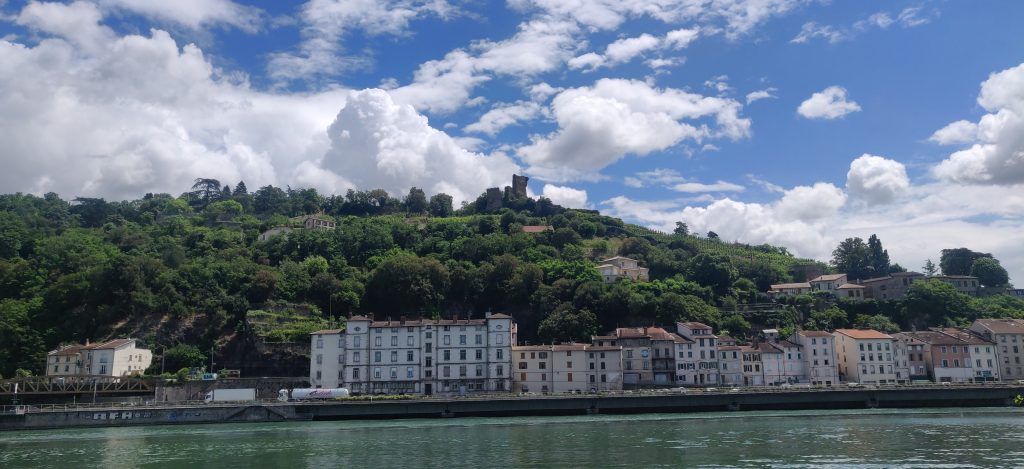
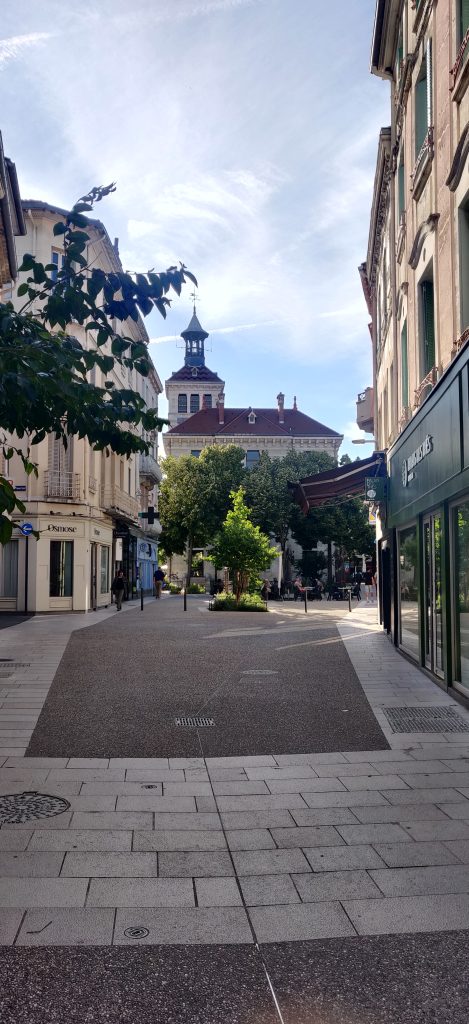
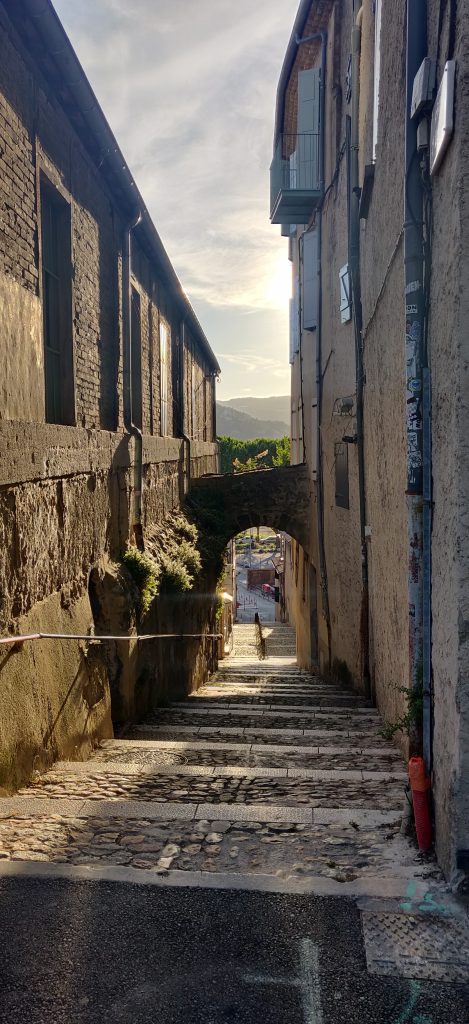
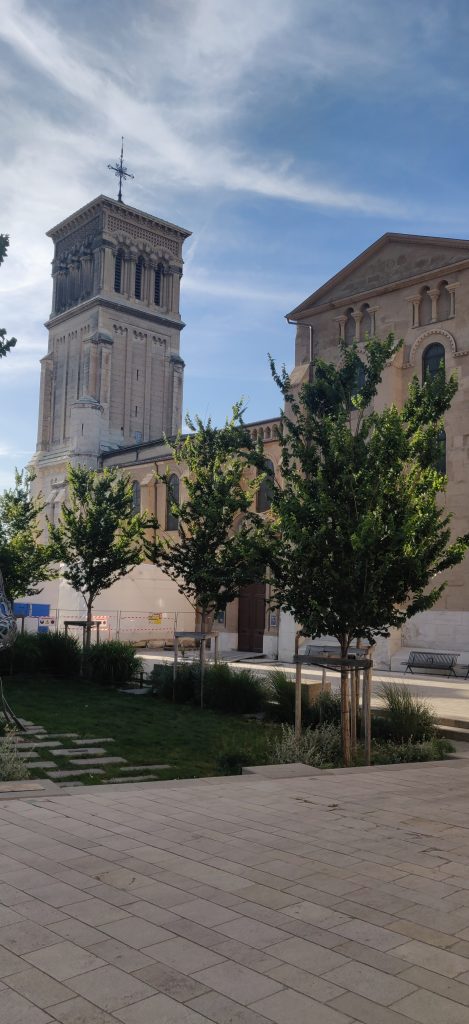
Stage 10: Saint-Rambert-d’Albon – Valence (56 km, 120 m elevation)
Short and sweet, this stage showcased Mediterranean scenery, steeper terraces at Tain-l’Hermitage, and the transition into warmer climates.
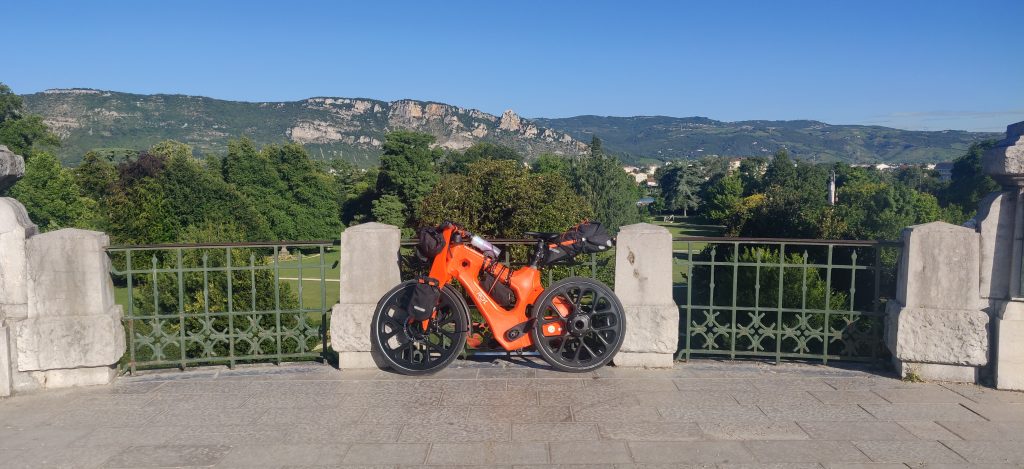
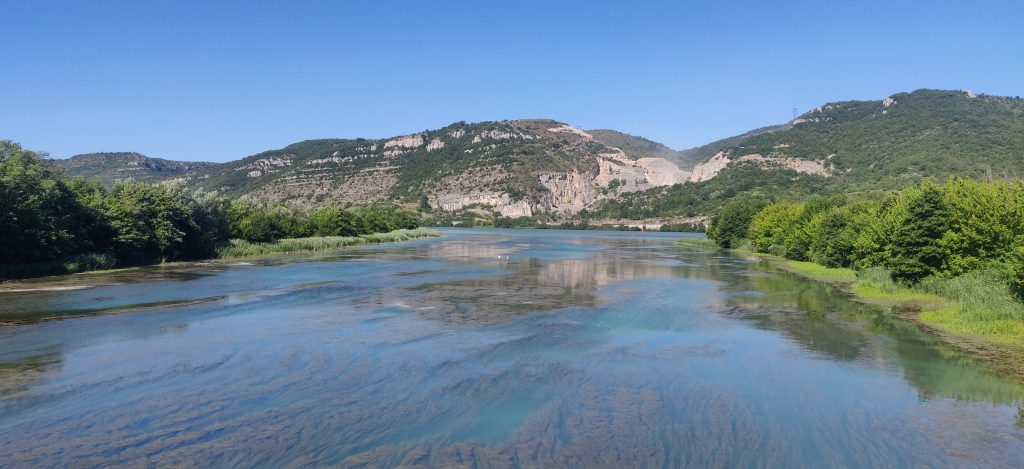
Stage 11: Valence – Avignon (152 km, 250 m elevation)
The longest stage on the tour pushed endurance limits, rewarded by sweeping Côtes-du-Rhône vineyard views and Avignon’s historic beauty.
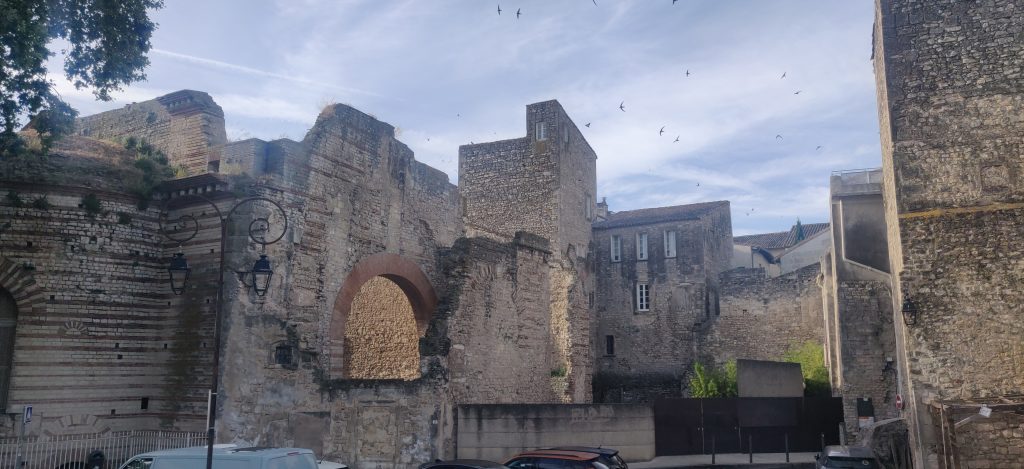
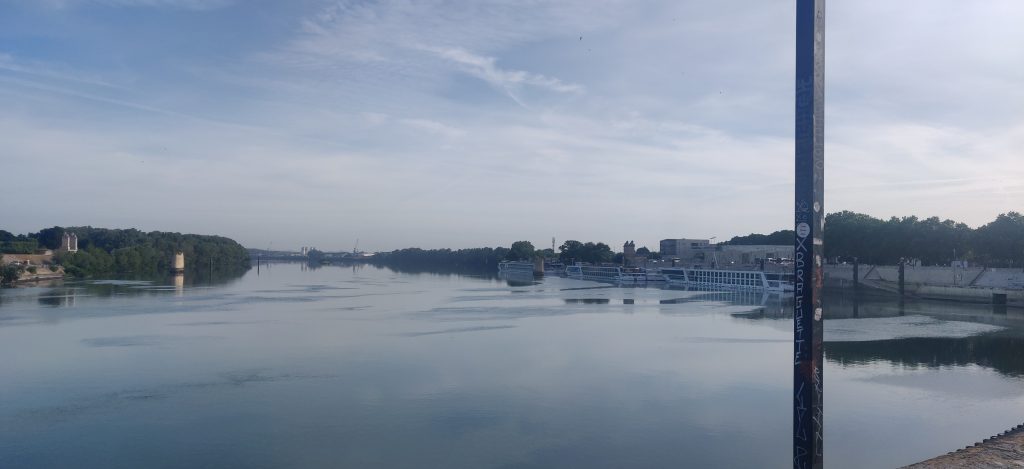
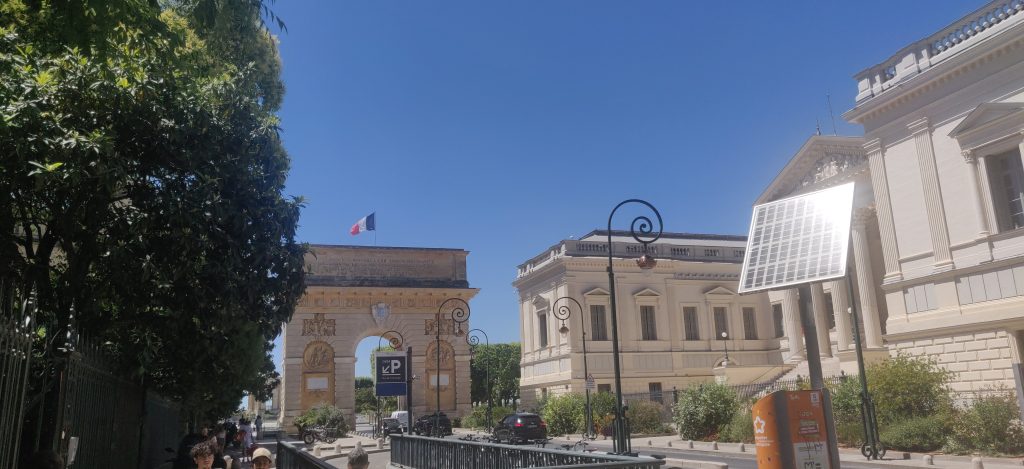
Stage 12: Avignon – Montpellier (128 km, 220 m elevation)
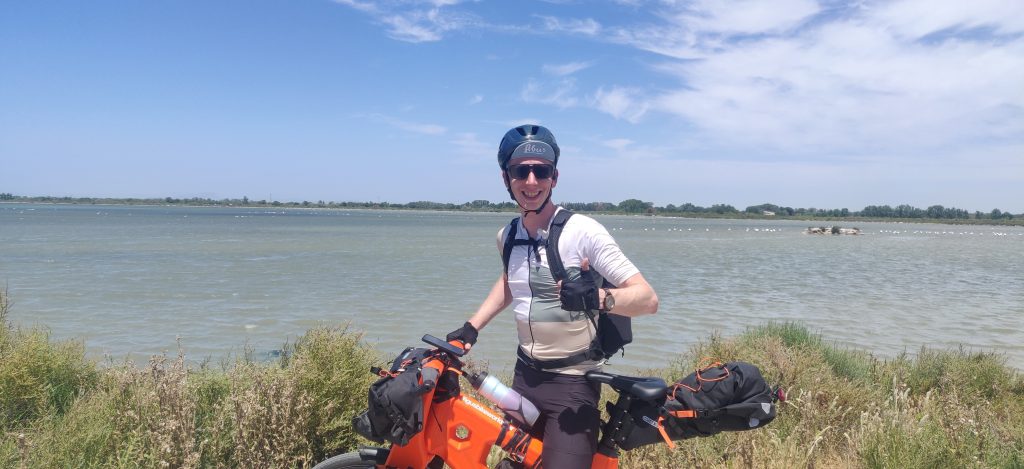
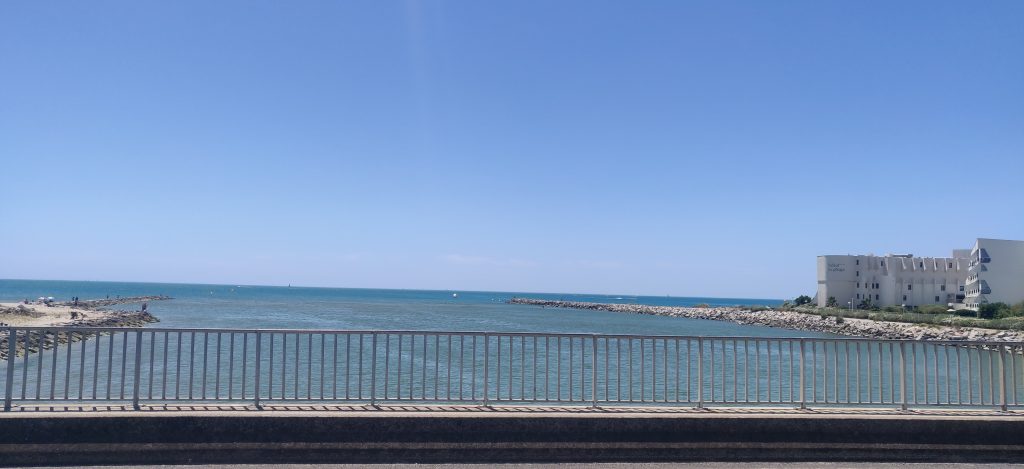
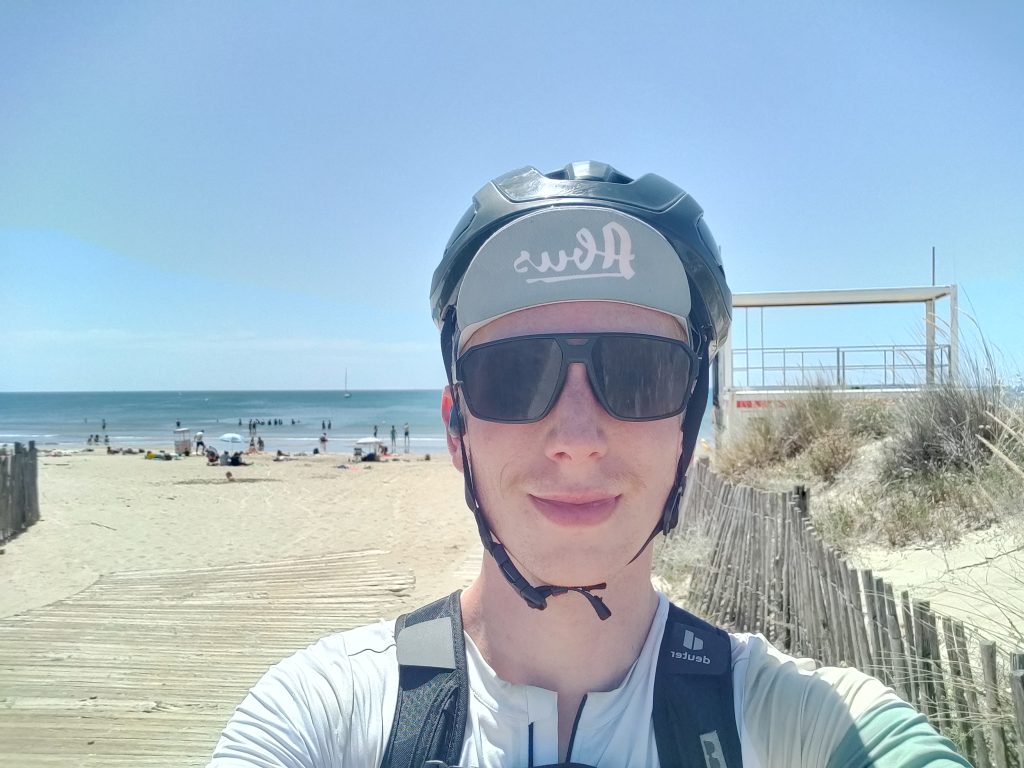
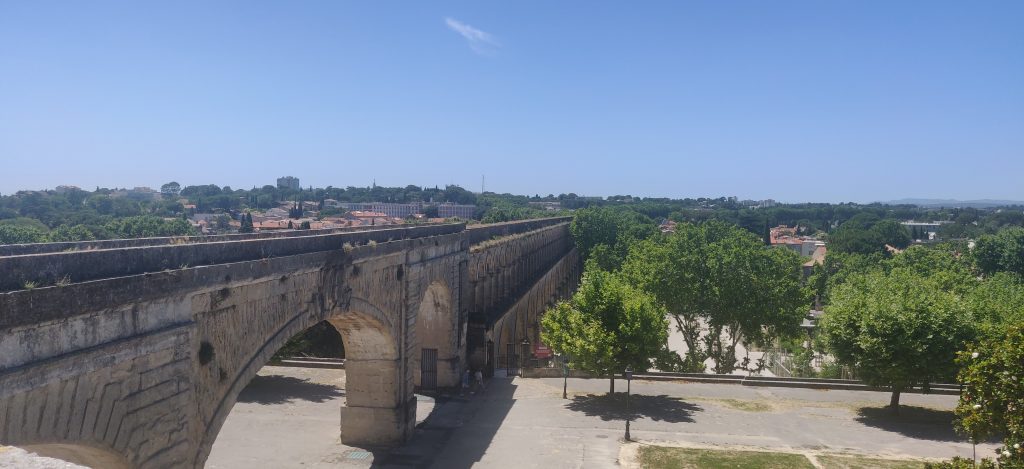
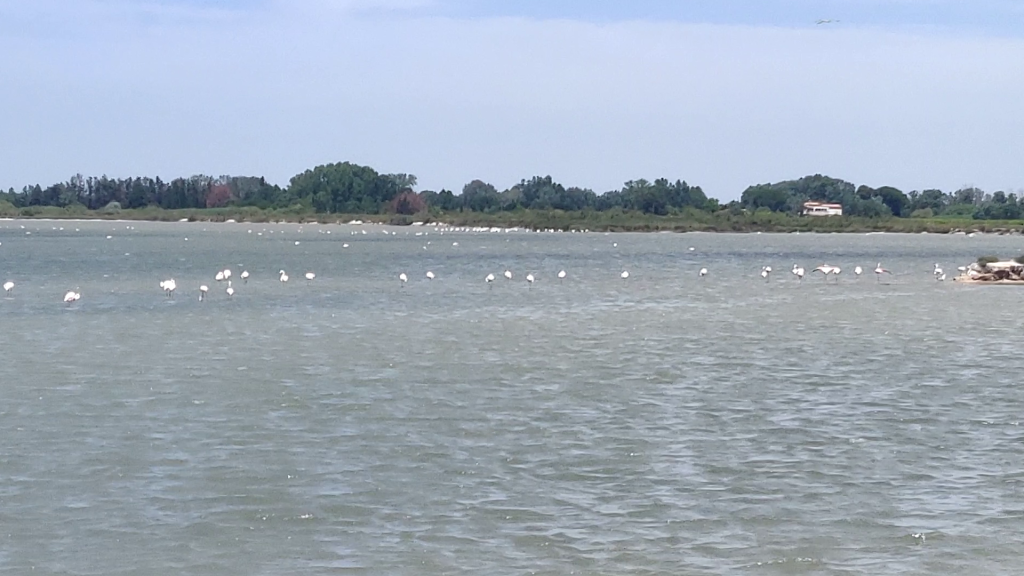
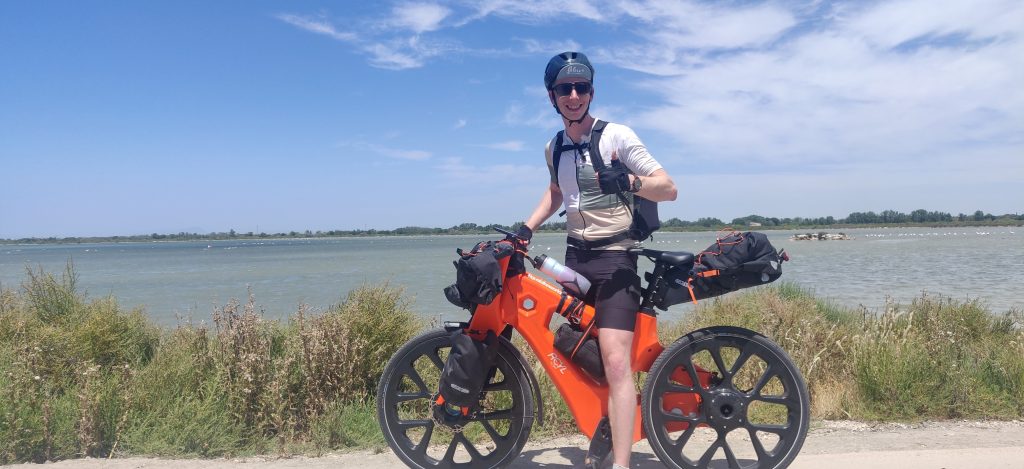
The grand finale combined iconic sights like Arles and the Camargue’s flamingos with the shimmering Mediterranean coast. Montpellier marked the triumphant conclusion of the journey.
Beyond the Kilometers: Lessons from the Road
Adversity Builds Strength
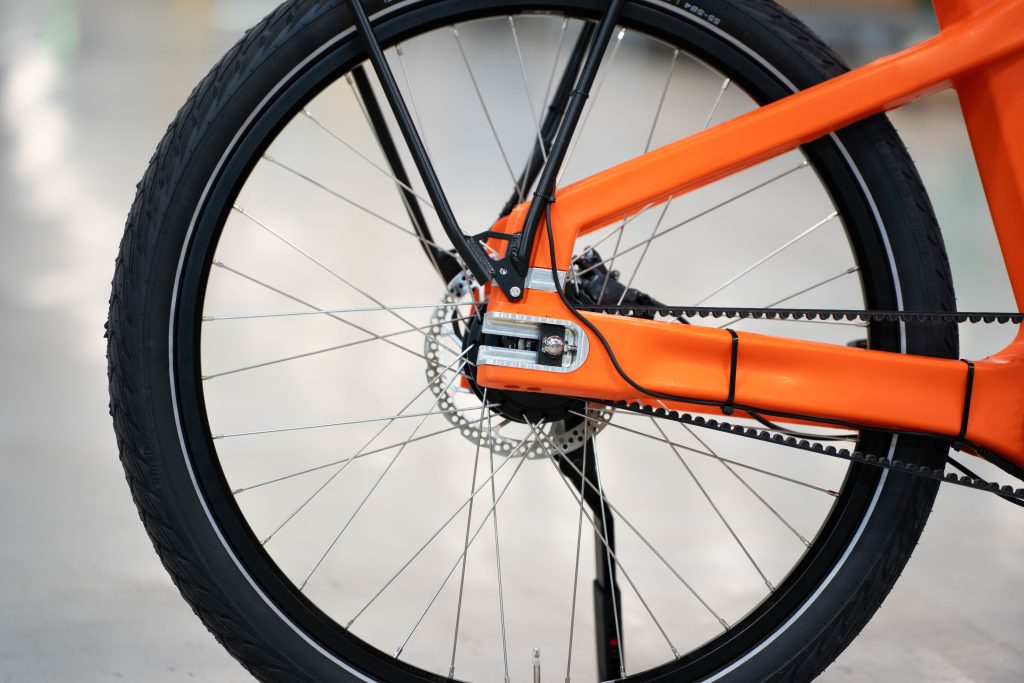
From two punctures to battling wind, rain, and elevation, every challenge became a moment of reflection. The bike’s rust-free design, paired with its lack of lubrication needs, meant fewer mechanical worries – even when the terrain posed its toughest obstacles.
Connection Through Cycling
Touring through France brought unexpected moments of human connection. Language barriers dissolved as curious locals inquired about the bike’s unique design and backstory. Whether through hand signals or simple gestures, people shared their curiosity and camaraderie at every stop.
Sustainability in Action
The concept of a bike made from recycled plastic resonated with others along the way. Low maintenance and corrosion-free performance set the igus:bike apart, sparking conversations about sustainable innovation both on and off the road.
The Final Numbers
- Distance: 1,092 km (1,072 km cycling + 20 km train)
- Stages: 12 (plus two rest days)
- Climbs: 2,930 meters of elevation gain
- Weather: From rainstorms to Mediterranean heat at 35°C
- Punctures: 2
- Flamingos Spotted: Countless
A Reflection on Innovation and Endurance
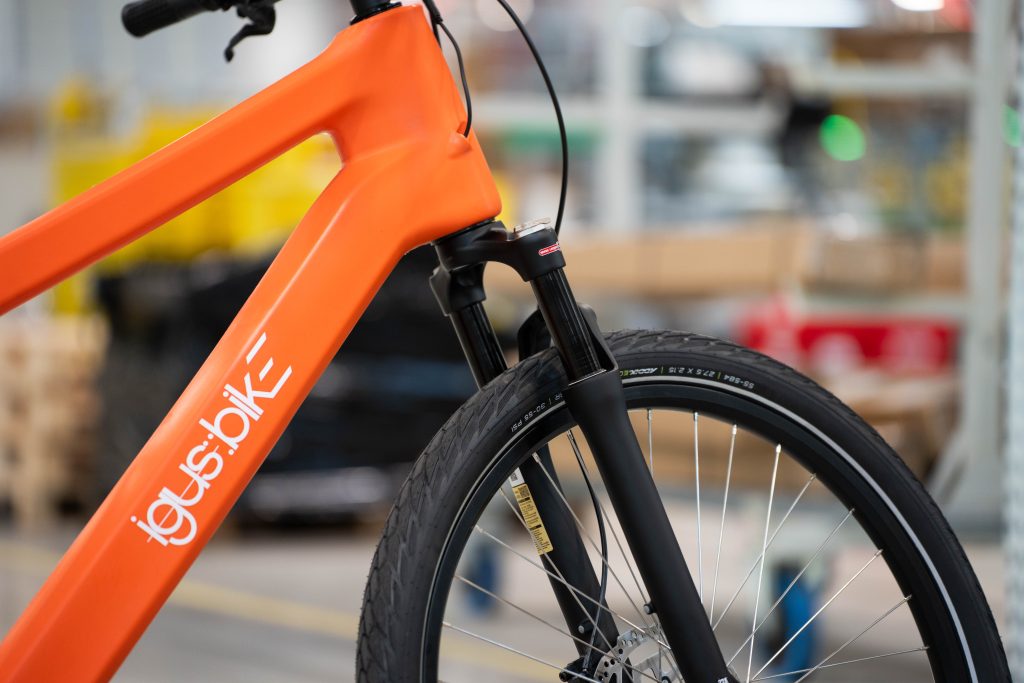
This journey wasn’t just about the igus:bike or the kilometers traveled – it was an exploration of how far engineering can take us. From rust-free components to self-lubricating bearings, every detail of the bike pushed the boundaries of what we expect from motion plastics.
What’s Next?
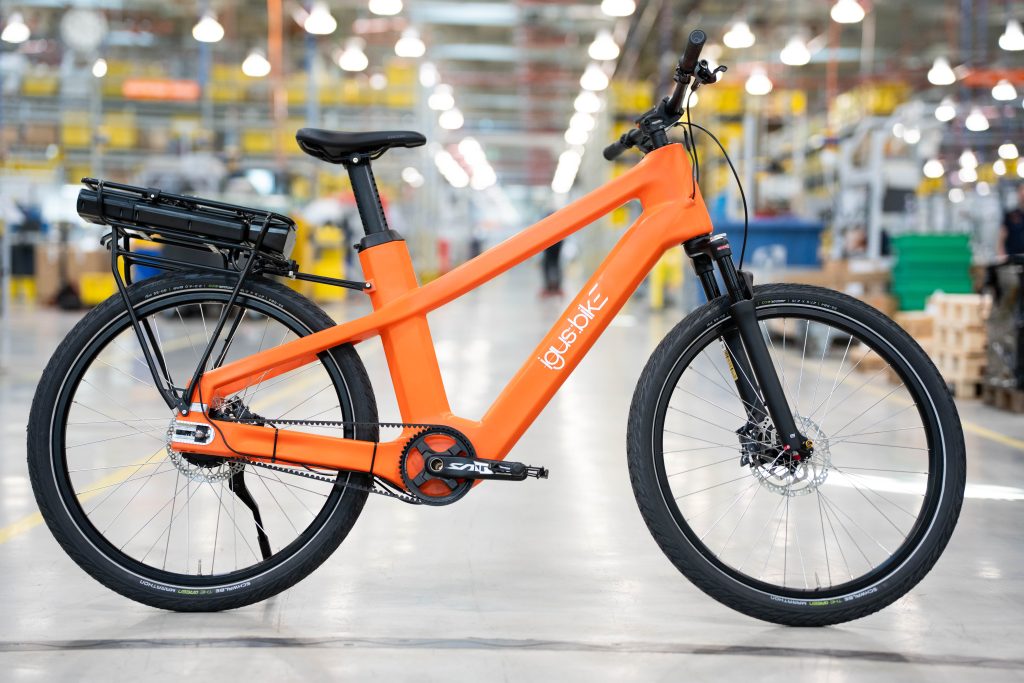
The igus:bike is already turning heads, and the feedback from this tour is shaping innovations for the next generation. With its sustainable foundation and proven reliability, the next step is even more ambitious: an e-bike version of the igus:bike, set to be unveiled at Eurobike 2026 – promising to elevate both performance and innovation to new heights.
This chapter of the igus:bike Worldtour ends at the Mediterranean, but the journey continues… because every movement starts with an idea that dares to push boundaries.
Stay tuned with the igus:bike project – the next chapter has started at Eurobike 2026 ⚡🚲
Our rider:
Jan Hendrik Winter
I’m Jan Hendrik Winter, 31 years old and founder of CraftCoders – a software company focused on custom development and digital strategy. I’ve been a passionate software developer for many years, but also enjoy getting out of my head and into motion.
Since 2022, we’ve been working closely with igus on a variety of software projects. Being part of the igus:bike worldtour is a great opportunity to experience the company from a very different angle – not behind the screen, but on the road. I’m looking forward to the adventure and to seeing what the bike can do in real-world conditions.
Map of the stages: