
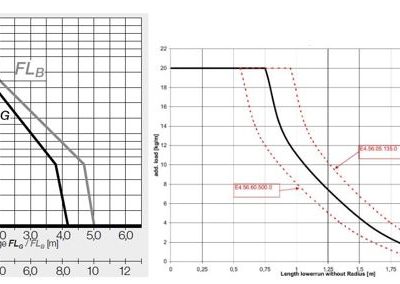
Installation situation e-chain with moving lower run Sometimes the installation situation requires turning the orientation of the e-chain and turning it upside down, so to speak. The fixed end is mounted “up” and the moving end is “down”. This is a very special installation situation and places other demands on the design of the energy […]
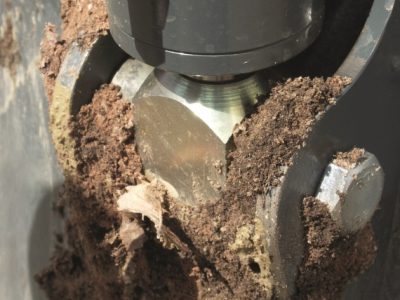
Most plain bearing manufacturers – and igus® is no exception – advertise their bearings with the attribute “insensitive to dirt”. But what does that actually mean? And what do you do when you have exhausted the limits of this rather subjectively formulated concept? In equipment intended for really rough environments, such as mining, earthworks on […]
I associate the topic of predictive maintenance with a reminder: just under two years ago, my wife gave me a great birthday present. A ride on a maize chopper. She had watched me playing the latest “agriculture simulator” weeks before and wanted to make me happy. (Did you know that the agriculture simulator is one […]
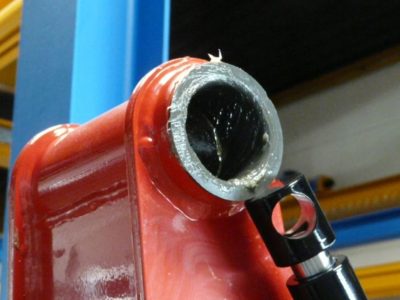
Despite all the greatly varying plain bearing application profiles – from engine block bearing to mountain bike pedals – there is one thing in common: the best lubrication is lubrication that need not be applied. It is often problematic to get grease and oil where they are needed and keep them there. Ensuring that the […]

There are many requirements at bearing points, and they often go beyond what technical data sheets say. There are often “soft” requirements that are difficult to quantify and arise only later in unforeseen operating conditions. During the design phase, it may turn out, for instance, that lubrication should not be used, that role of weight […]