

On the speedometer of my Stanley 750B from 1924 the mileage counter didn’t work anymore. It is a speedometer from Stewart-Warner, Chicago, type M-9. Failure analysis After dismantling, the mistake was obvious: the gear on the first intermediate shaft, which meshes with the worm on the input shaft, was completely ruined. The pinion was no […]
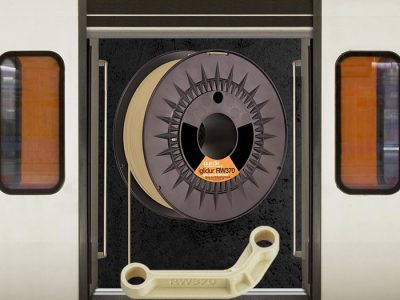
With an upper short-term application temperature of + 190° C and an upper long-term application temperature of + 170°C, the RW370 filament is definitely one of those that cannot be processed with a commercially available 3d printer, like an ultimaker. The engineers from the business unit of additive manufacturing at igus have developed a 3D […]
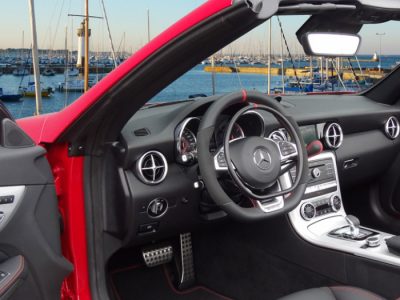
Motorists with disabilities benefit from “Darios”, a digital gas ring. This allows you to give throttle with your hands on the steering wheel. “Darios 211” consists of over 200 identical parts that slide over the flattened steel ring. These parts consist of iglidur® I3 and are manufactured in 3D printing. How does the gas ring […]
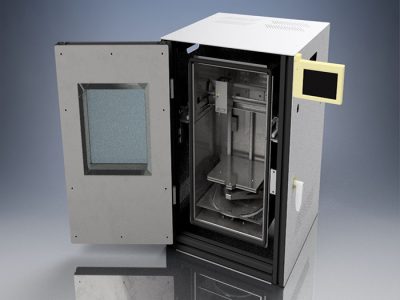
“A nice example of our low-cost design concept,” says Tom Krause, head of the additive manufacturing division at igus GmbH, about the high-temperature 3D-printer newly developed and built by his team. A self-built 3D high temperature printer based on drylin W rail guides and dryspin steep-thread spindle made of stainless steel in combination with spindle […]
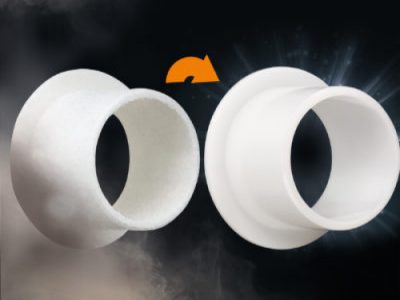
Which 3d printed plastic components are suitable for this? Which ones are not? In contrast to vibratory grinding, the geometry of the component does not have a significant role in chemical smoothing – the suitability of the parts is virtually independent of geometry. Topic wall thicknesses: here it is important to avoid thin wall thicknesses […]