
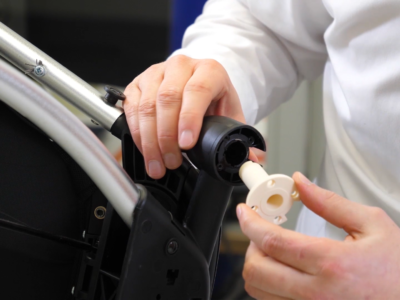
Plain bearings are usually pressed or clamped into the housing hole. They hold securely in the hole and do not rotate unintentionally. But what if this is not possible due to manufacturing tolerances? Another case: the plain bearing should even rotate. Even if it is not part of the standard repertoire of many plain bearings […]
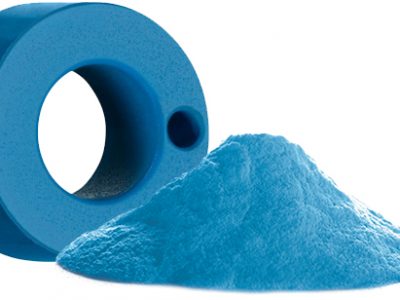
Often enough, it is the surrounding factors such as housing hole, shaft and other elements that predetermine what plain bearing dimensions are chosen. Then whether a bearing with a length of 10mm or 12mm is selected only depends on the price or availability. But what about when these factors delimit the choice so tightly that […]
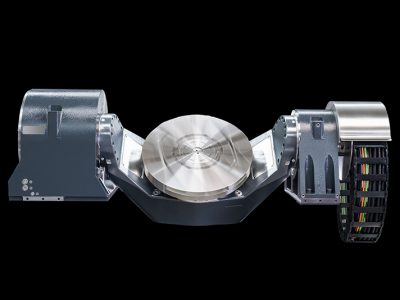
Lathes, spindles and machine tools nearly always involve some form of rotation. The guidance of electric cables and hydraulic and pneumatic hoses is usually a difficult challenge. Even though an individual solution is needed for each machine, a variation of the following six possibilities is usually involved: 1. Coiling of an e-chain 2. Coiling of […]
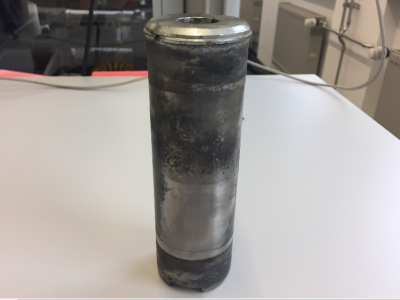
The number of plain bearing solutions is virtually infinite, and there are no fewer designs of suitable – and unsuitable – shaft materials. In fact, different shaft materials and their coatings can create completely different wear patterns for the same plain bearing. This blog entry will deal with two frequently used shaft coatings and consider […]
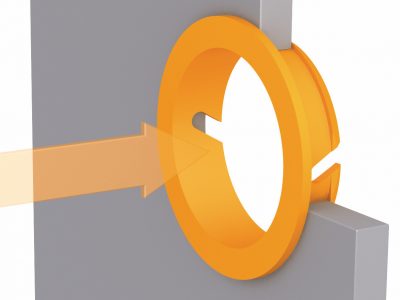
Normally, plain bearings are intended for installation in relatively thick-walled designs. The plain bearing is pressed into a hole of recommended tolerance, where it remains. Press-fit can be difficult if the components have thin walls. But beyond fixing in place, there are other pitfalls which we will examine more closely here. Then I will give […]